
A silo structure refers to the way of categorizing your website into different sections (silos) to put the related content in the same category. Implementing a capitalizing on a strategic silo structure SEO helps you in building topical authority, making users happier, and aiding the search engines in recognizing your main topics.
Do you sometimes feel like your website is just a collection of random blog posts? You’re absolutely right, you’re not the only one. A website that looks like a “junk drawer” confuses search engines and frustrates users. SEO silos are the solution to the problem; they are the act of organizing related content into neatly separated sections so that it’s clear to everyone that you know your subject very well.
Establishing a good silo structure on your website is not merely a technical issue; it is also an SEO superpower. By partitioning SEO silos into topical clusters, you facilitate Google’s work of indexing your website more rapidly, and at the same time, you lead your visitors to an engaging content experience.


Understanding the Basics of SEO Silos
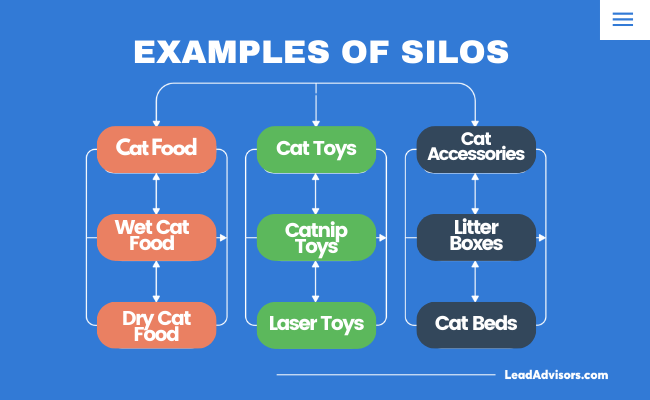
Let me reiterate once more: siloing is like organizing a large library. You wouldn’t just dump all the books into one big heap; you’d put cookbooks in one shelf and history books on another.
Content siloing in digital marketing means organizing your website pages into tightly connected, theme-based groups. Every content silo has one main topic at its core, and all the content inside is directed towards that theme.
The Two Flavors of Siloing SEO
When you start to silo SEO, there are two main methods that you can choose from or combine:
- Hard Silos (Physical Silo): These are integrated into your URL structure so that you are essentially creating a physical folder hierarchy on your server.
- Example: yourwebsite.com/seo/on-page-seo/
- This way, Google gets an exact understanding of the page’s location in your website architecture.
- Soft Silos (Virtual Silo): A virtual silo is a structure that is formed by strategic internal linking rather than through URL folders. Even if your URLs are (e.g., yourwebsite.com/page-name/), you still use anchor text to link relevant blog posts to a main pillar page.
How It Works Structurally
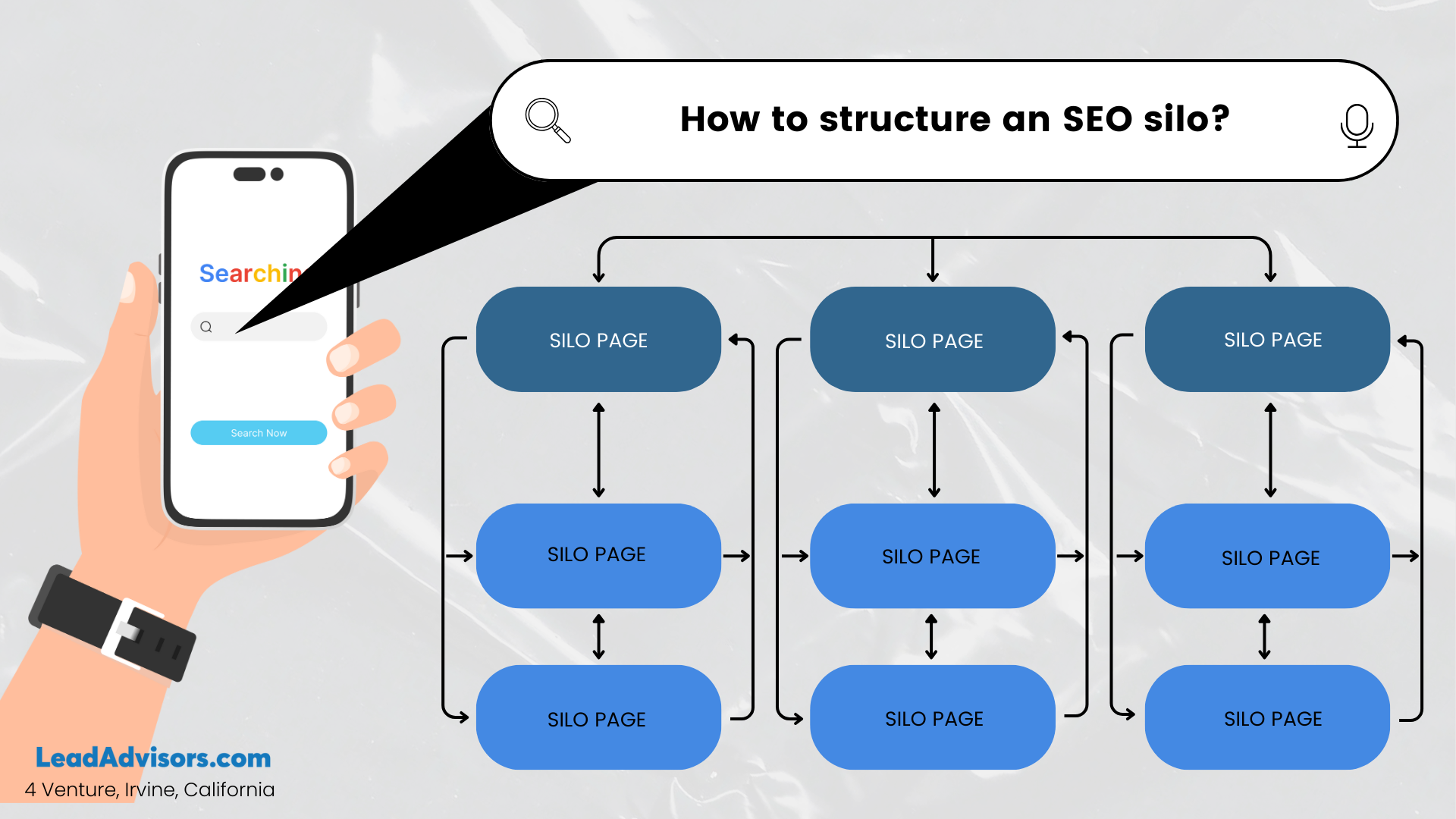
Think of your site structure as a pyramid. You start with a parent page—often called a hub or pillar page—that gives an overview of a broad topic (like “SEO Strategies”).
Below that, you establish “child pages” (supporting articles) that delve deeply into specific subtopics (such as On-Page SEO, Keyword Research, or Backlink Building). All these child pages will be linked back to the parent and to each other if it makes contextual sense.
A hierarchical website structure like this helps a lot search engine crawlers to easily navigate, understand the connection between topics, and recognize your niche authority.
Here’s why it is logical for your website:
- Internal linking: Your pages help and reinforce one another by sharing link equity.
- Keyword relevance: All the content within a silo is related to a single topic, thus no “content soup” phenomenon.
- User experience: Your visitors can get what they need without constantly changing direction, so they stay longer on your site.
In short, SEO silos are similar to equipping your whole site with a GPS. Everything gets easier to locate, and both people and bots benefit.
Step-by-Step Guide to Creating an SEO Silo Structure

Since you now understand the reason behind SEO silos, it is time to get down to work and take a closer look at the “how”. A powerful silo structure is not only a great habit to get into, but it is also a clever method of direct communication to both your friends (the users) and the robots (search engines) through your content, enabling you to rank higher and retain visitors.
Phase 1: Planning Your Silos

Great SEO starts with a blueprint. Before you even make any changes to your website, you need to figure out how to create distinct subject categories.
- Master Your Keyword Research: Find the most relevant phrases for your niche. Use broad, high-volume keywords for your top-level silo topics and the specific long-tail ones for the pages that will be in those silos.
- Build Your Content Hubs: Each hub (aka landing page) is the “brain” of a silo. It is a summary of the topic and a link to the more detailed, specific website content.
- Map Your Hierarchy: Decide on one primary pillar page and a handful of supporting blog posts. This is a neat way of making sure that every page has a home and that your site forms a clear silo structure.
- Visualize the Architecture: I always advise creating a mind map or a simple spreadsheet to represent your site architecture. This helps you to keep your internal links well-organized and to make sure that the silos don’t overlap.
Phase 2: Implementing Hard Silos (The URL Structure)
With your plan set, it’s time to put that silo structure SEO into action—starting with your URLs. A “hard silo” uses clean, logical paths to show exactly where a page lives.
Examples of a solid SEO silo structure:
- /digital-marketing/email-marketing/landing-page-optimization/
- /digital-marketing/seo/technical-seo-guide/
If you’re running an eCommerce site, it looks like this:
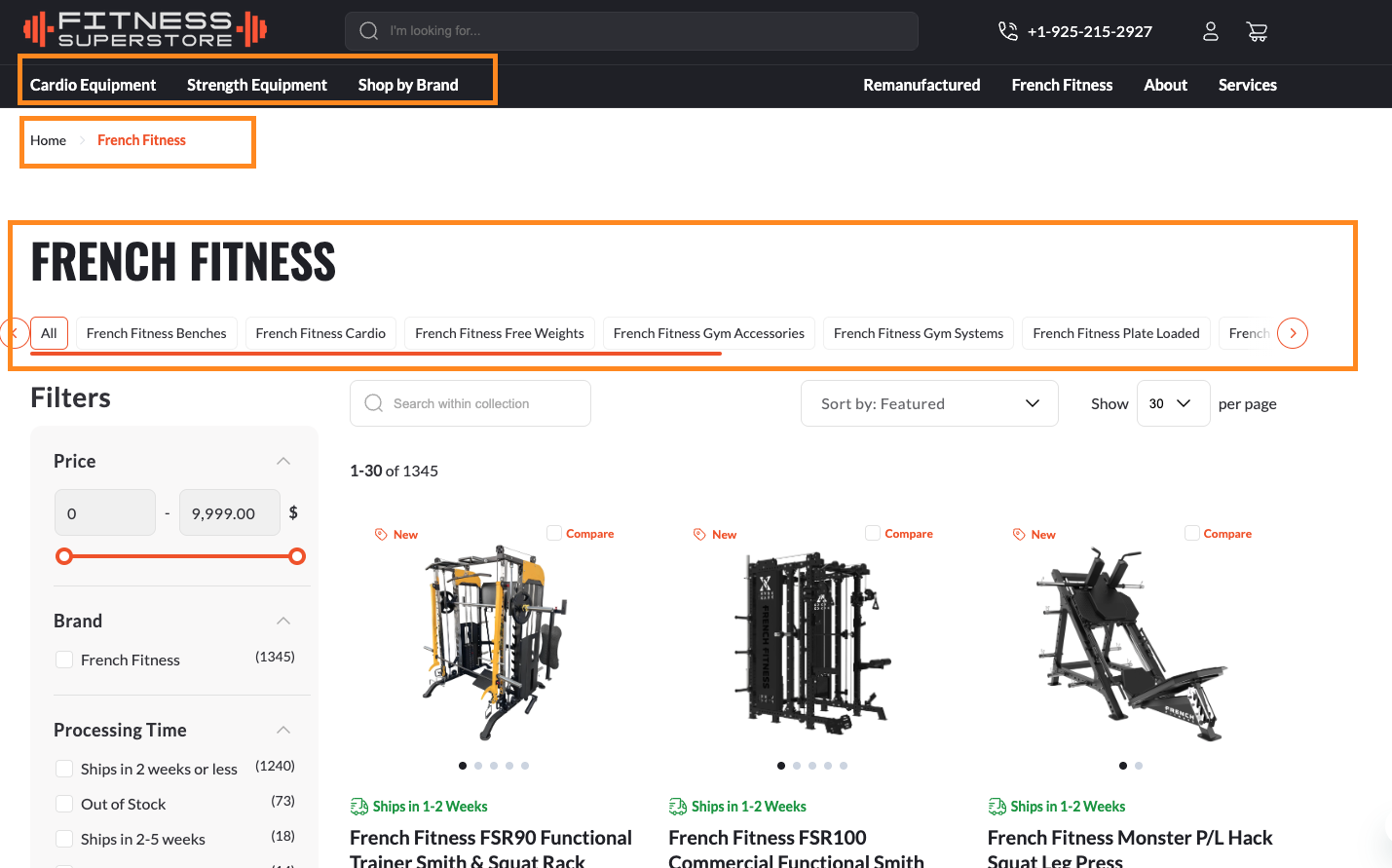
- /fitness-equipment/treadmills/
- /fitness-equipment/kettlebells/
Why go through the trouble? Because Google.com and other search engines favor a clear hierarchy. A solid URL structure makes crawling and indexing a breeze, which is a massive win for your search engine rankings.
Phase 3: Implementing Soft Silos (The Internal Linking Glue)
Here is a pro tip: even if you have perfect URLs, your siloed structure will crumble if you don’t have a good internal linking strategy. Think of internal linking as the glue that holds your SEO content silos together.
- The Upward Link: Every supporting page must link back to its pillar page. This signals to Google that the hub is the main authority on the topic!
- Strategic Anchor Text: Use keyword phrases that are relevant to the subject as your anchor text. It makes it easier for search engines to understand the context of the linked page without it sounding like a robot.
- The “Stay in the Family” Rule: Make an effort to have most of your links pointing to related topics within the same silo. This way, the link juice remains concentrated where it is most effective.
Try these silo-friendly linking strategies:
- Inline links: Casually bring up a subtopic in your text and link it to its dedicated page.
- “Read Next” Suggestions: Help your readers find the next logical step in their journey.
- Breadcrumbs: These are small navigation links usually found at the top of a page (e.g., Home > SEO > Silos). They are a great user experience and site structure tool.
You will be able to create massive topical authority through your website’s silo architecture, and thus, the search engines will be sure that you really know your field when this happens.
SEO Benefits of Silo Structures
Let’s talk results. Once you move away from a “messy drawer” approach and implement a solid silo SEO structure, you’ll notice things start to click in a big way. It’s not just about being organized; it’s about speaking the language that search engines love.
Here’s exactly how siloing transforms your site’s performance:
| Area of Impact | What Happens | Why It Matters |
| Search Engine Crawling | A clear silo structure improves site architecture and navigation for bots. | Faster indexing and a better understanding of your content lead to higher search engine rankings. |
| Keyword Relevance | Related topics are grouped to build topical authority. | Google recognizes your site as a go-to source for specific, subject-relevant keyword phrases. |
| User Experience | Your friends (the users) can explore website content without getting lost. | Longer sessions and lower bounce rates signal to Google that your content is helpful. |
| Internal Linking | Internal links point to pages within the same silo. | This passes link equity to multiple landing pages, boosting the entire group’s visibility. |
| Domain Authority | More quality, organized content creates stronger, deep-rooted silos. | Increases the overall trustworthiness and authority of your entire website over time. |
Why “Link Juice” Loves a Silo
In my time as a strategist, I’ve seen that one of the biggest wins is how link equity (or “link juice”) flows. In a flat website structure, link juice from your home page or high-authority blog posts gets scattered randomly.
When you use siloing SEO, that authority is funneled directly into your most important pillar page. It creates a “rising tide lifts all boats” effect—when one page in the silo gets a great backlink, the whole silo benefits.
TL;DR:
SEO silos = Improved crawlability + Enhanced User Experience + Higher rankings.
This is a strategic step that yields benefits at different levels. Deconstructing SEO silos and reconstructing them in a meaningful way, you are not only creating a site; you are manufacturing an authority machine.
SEO Silo Best Practices
So, you put up your silos; let’s ensure they remain efficient. Excellent silo designs do not get created once and left to be silent; they need to be handled, refreshed, and re-designed so that they can grow together with your site.
As a theme, based silos offer more adaptability; we should reconsider how to arrange our websites so that they are friendly to both the users and the search engine bots. I will mention some good tactics for you to remodel your site and assist you in getting higher ranks on Google.com.
1. Structure Your Site Like a Pyramid
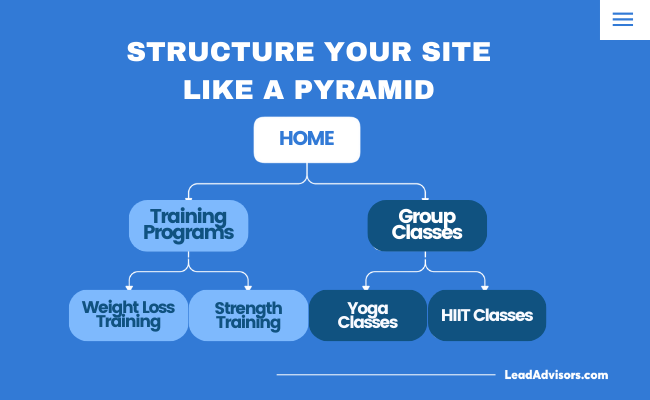
Visualize a pyramid: your home page being at the very apex, then your major category landing pages, which further lead to individual service pages or blog posts.
Why this makes sense:
- User-friendly navigation: People visiting your site can check out categories and subtopics without confusion.
- Link juice flows effectively: Since the homepage(s) usually have the most backlinks, putting your top-priority landing pages close to the top helps spread that link equity.
- Contextual internal linking: It ties up different categories, thus making it simple for search engine bots to grasp your topical authority.
Internally Link Where It Makes Sense
Don’t be a “silo snob.” Rigid silo structures that ban cross-topic links can actually hurt your user experience. I prefer a flexible internal linking structure that connects related pages across different categories when it’s natural.
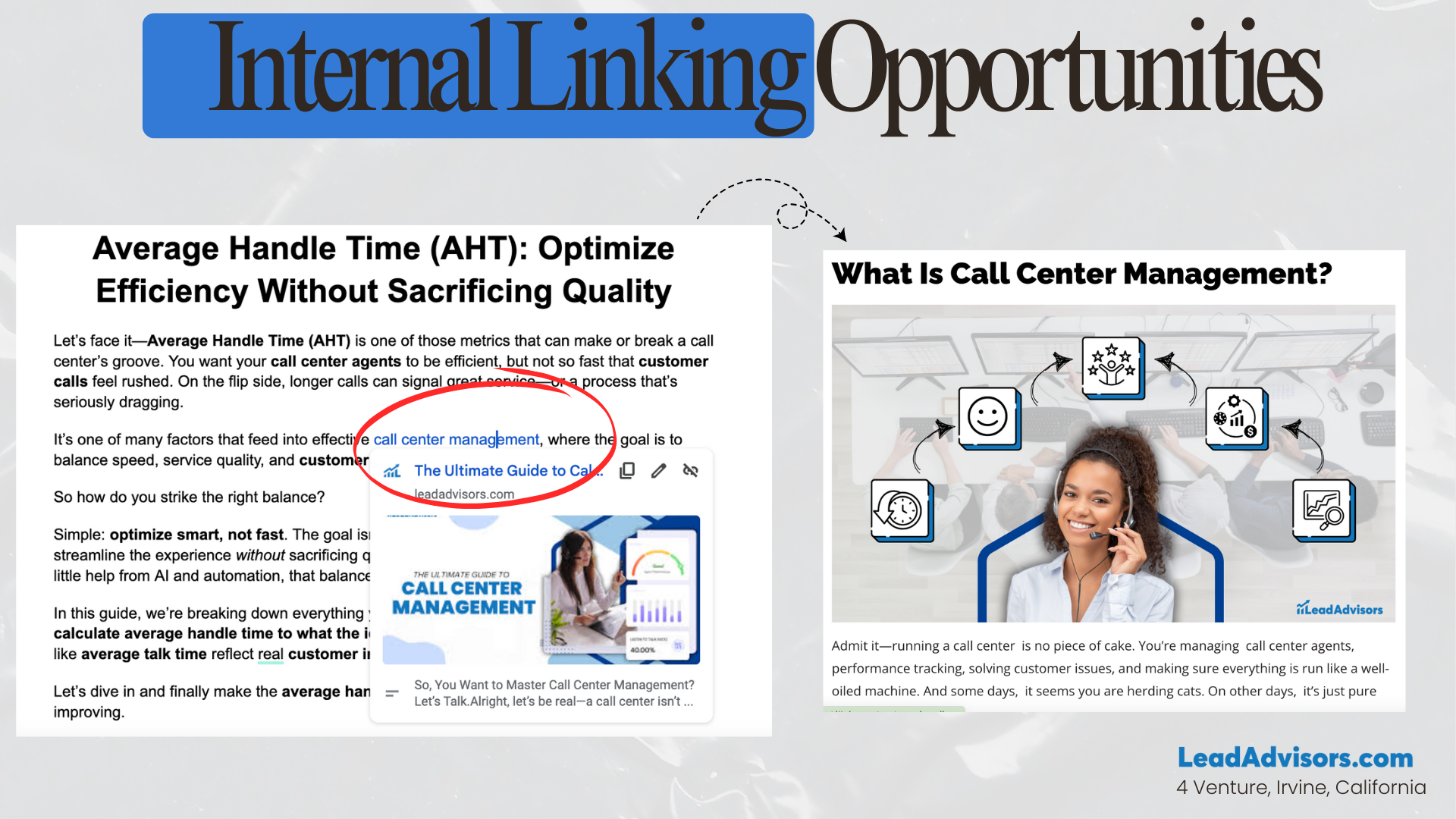
Example: A blog post on “Optimizing Landing Pages” in a “Conversion” silo should absolutely link to a post on “Keyword Research” in your “SEO” silo. They are technically in different sections, but they are related topics! This link benefits your readers and your rankings.
Pro Tip: Use tools like Ahrefs to find these “hidden” opportunities. Their Link Opportunities report can show you where you’ve mentioned keyword synonyms that could be turned into helpful internal links.
Build Content Hubs, Not Just Blog Archives
Standard blog posts usually get buried chronologically, which is a nightmare for SEO strategy. Instead, group your posts into content hubs. These act like upgraded silo pages that organize everything around a central theme.
On our site, an SEO Strategies hub would link to supporting articles like “Technical SEO,” “Keyword Mapping,” and “SEO Tools.” Unlike an old-school siloed structure, you’re free to link between hubs if a topic overlaps. This creates a powerful web of SEO content that Google loves.
Keep Important Pages Within Reach
If a page is hidden at a depth of five or more clicks, it is practically invisible. Search engine bots might lower their priority, and users will not be able to find it.
The Golden Rule: Make sure that your top-notch website content is not more than 23 clicks away from the home page.
Maybe you have a closet full of your most treasured pieces, but they only see light of day when you bring them front and center as your primary or secondary categories.
Increased visibility is the quickest method to improve your search engine rankings.
Common SEO Silo Mistakes (And How to Avoid Them)
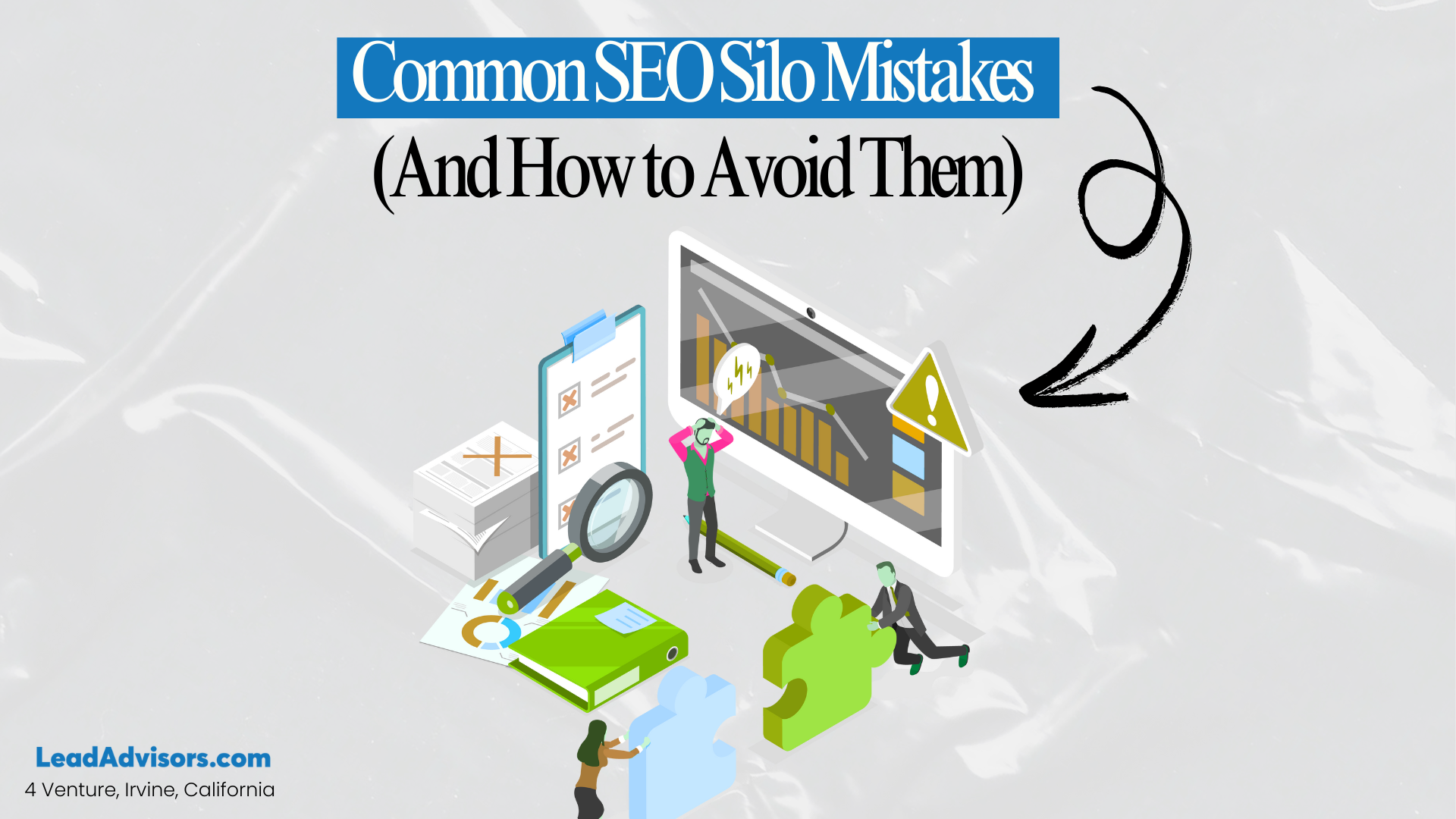
Even the most well-intentioned siloed structure can go sideways if you aren’t careful. I’ve seen many sites dive into siloing SEO only to create a confusing maze that neither humans nor bots enjoy.
Here are the top mistakes to watch out for—and how to keep your SEO silo structure strong and effective.
1. Overcomplicating silos
Some very deep and long website structures with multiple layers can be very tempting, but many subfolders and extra steps lead to confusion for everyone. When the URL contains /services/marketing/digital/seo/local-seo/, you are just overdoing it.
- The Fix: Keep your silo structure clean and straightforward: Landing page → relevant pages. That’s it. If a user can’t get there in 3 clicks, simplify.
2. Forgetting cross-silo linking
Yes, silos in SEO should stay focused—but don’t build “walls” around your content. If you have a post in your “SEO” silo that naturally relates to a post in your “Content Marketing” silo, link them!
- The Fix: Use intelligent, relevant internal links when it helps your friend (the reader). As long as the anchor text is clear, cross-linking actually improves your site architecture.
3. Ignoring user behavior and UX
If users bounce fast or get lost, your silo site structure is failing. SEO isn’t just about bots; it’s about user experience.
- The Fix: Keep an eye on metrics such as bounce rate and time on page in Google Search Console. If a certain silo is showing up as a quick exit point for visitors, the problem could be that your navigation is either too strict or confusing.
4. Keyword cannibalization
This one is pretty clever. When several pages within the same silo target exactly the same subject, related keyword phrases, the result will be these pages competing against each other. In this way, your link equity gets divided, and your search engine rankings take a hit.
- The Fix: Plan your keyword research ahead of time. Give every page in the silo a unique primary keyword so they work together, not against each other.
5. Weak internal linking
No matter how perfect your URL structure is, your silos will collapse without strong internal links. I often see “orphan pages”—content that lives in a silo folder but doesn’t actually link to the pillar page.
- The Fix: Each and every page in a silo should be interdependent. One of the pieces of supporting content, if it doesn’t link back to your primary landing page, it’s not really serving its purpose.
Key Takeaway: Essentially, one of the biggest SEO silo strategies is well-balanced. The technical architecture should not interfere with a user-friendly and intuitive site for your visitors.
SEO Silos vs. Topic Clusters: Which One Works Best?

Let’s stop the confusion here: SEO silos and topic clusters may appear to be twins, but they are more like cousins. Understanding the distinction between the two can greatly enhance your content strategy.
So, What’s the Real Difference?
- SEO Silos: These focus on structure and URL structure. Think of them as folders within folders. You group everything based on themes, and keep each section tight with internal links connecting related topics under a main landing page.
- Topic Clusters: These are all about your content marketing strategy. They don’t rely on folders or URLs; instead, they center around a pillar page and branch out to cluster content using intelligent internal linking. This is much more flexible and perfect for dynamic blog posts.
Why Do Search Engines Love Topic Clusters?
It’s because they reflect how we actually search. Your friends (the users) ask detailed, conversational questions on Google.com. Topic clusters allow you to answer those specific questions on focused pages, while feeding all that link juice back to your main pillar page. This builds massive topical authority and relevance—two things search engines absolutely eat up.
When to Use a Hybrid Model
Honestly? Most modern websites thrive when they use a mix of both. Here is how you can use a hybrid SEO silo strategy:
- Use SEO Silo Structures: To organize the “evergreen” or permanent sections of your site, like your services, product categories, or resource centers. (e.g., /family-law/divorce/)
- Use Topic Clusters: Within those silos to build out your blog content. This lets you cover subject-relevant keyword phrases in depth without being trapped by a rigid URL path.
The result? You get the best of both worlds: a rock-solid website architecture combined with flexible, search-friendly content.
| Feature | SEO Silos | Topic Clusters |
| Primary Driver | URL Structure & Hierarchy | Internal Linking & Context |
| Best For | Service/Product Pages | Blog Posts & Educational Content |
| Flexibility | Rigid / Organized | High / Adaptable |
| Common Tool | Website Architecture | SEO Content Planning |
Case Studies & Real-World Examples

Let’s bring SEO silos to life. Seeing how successful sites use these structures makes it much easier to visualize for your own website. Here is how different industries are crushing it by using an innovative silo structure to boost their search engine rankings and improve user experience.
1. eCommerce Sites: The Organization Pros
Big eCommerce brands are the masters of the hard silo. They create distinct subject categories for products to ensure Google doesn’t get confused between thousands of SKUs.
- The Structure: /fitness-equipment/treadmills/ or /apparel/men/shoes/.
- How it Works: Each product category becomes a landing page with filters and descriptions. By linking to related topics (like “size guides” or “maintenance tips”) within that folder, they create a perfect silo site structure.
- The Win: This clear website silo structure helps search engines understand product groupings, which improves both crawlability and sales conversions.
2. SaaS & Tech Websites: The Feature Specialists
SaaS companies often use silos in SEO to separate their complex features, use cases, and industry solutions.
- The Structure: /features/automation/ → links to blog posts, FAQs, and case studies specifically about automation.
- How it Works: They combine hard silos (for the main feature pages) with topic clusters (for the educational blog content). They use strategic anchor text in their internal links to connect everything back to their main hub page.
- The Win: This allows them to dominate search results for both high-intent “feature” keywords and top-of-funnel “how-to” questions.
3. Blog & News Sites: The Content Hub Kings
Content-heavy sites usually lean into soft silos (the virtual silo) to keep things flexible.
- The Structure: Hubs like /marketing/, /finance/, or /health/.
- How it Works: While the URLs might stay simple, the real power is in the internal linking between related topics. Each hub page acts like a magnet, keeping readers engaged and guiding search engines through deep, connected website content.
- The Win: This structure keeps users on the site longer, which signals massive topical authority to Google.
What We Can Learn from High-Ranking Sites
The best-performing websites don’t just set it and forget it. They built a flexible, scalable SEO silo structure. Here’s their “secret sauce”:
- They Avoid Orphan Pages: Every single page has a home and at least one internal link from a parent page.
- They Use Breadcrumbs: This provides a clear trail for both users and bots to follow back to the top level.
- They Optimize for Both: Their site architecture is designed for the human user experience first, but it’s logically “labeled” for search engine bots.
- They Audit Regularly: As they grow, they expand their silos to prevent any one category from becoming too bloated.
Whether you’re running a small blog, an online store selling wet dog food, or a massive software company, a well-planned SEO silo strategy will help your landing pages climb higher—and stay there.
How to Audit and Optimize Existing Silo Structures

Already have a bunch of content live, but not sure if your SEO silo structure is actually pulling its weight? No worries—it’s never too late to fix, fine-tune, and get your site back on track.
Optimizing an existing website is often more about “cleaning the pipes” than building new ones. Here is my three-step process for a successful silo audit.
Step 1: Analyze Your Site Structure and Internal Links
First, you need to see what the search engine bots see. Use tools like Screaming Frog, Sitebulb, or Ahrefs Site Audit to crawl your website. These tools provide a “bird’s-eye view” of your current site architecture.
What to look for:
- Orphan Pages: These are pages with zero internal links pointing to them. They are essentially invisible.
- Crawl Depth: Look for pages that are buried more than 3-4 clicks away from the home page.
- Broken Silos: Identify where a page in one silo is linking excessively to an unrelated silo, which can dilute your topical authority.
Step 2: Check Performance with Google Search Console & Ahrefs
Now, let’s look at the data. Head over to Google Search Console to see how your landing pages are performing in search results.
- Which silos are winning? Identify which pillar page is driving the most traffic.
- Which pages are underperforming? If a page has great content but isn’t ranking, it might not be getting enough link juice from its silo.
Pro Tip: In Ahrefs, filter your data by silo topic. This helps you assess whether your subject-relevant keyword phrases are concentrated within the right clusters or if you’re accidentally competing with yourself (keyword cannibalization).
Step 3: Fix, Prune, and Reorganize
If your silos’ SEO setup looks a bit messy, it’s time for some “content pruning” and cleanup.
- Reassign Pages: Move that “stray” blog post into the correct silo where it actually belongs.
- Strengthen Connections: Add or adjust your internal links to ensure every supporting page points back to the main landing page.
- Update URLs (Carefully): If you decide to move to a hard silo (physical URL structure), ensure you set up proper 301 redirects. You don’t want to lose the link equity you’ve already built!
- Create New Hubs: If you have 10 posts about wet dog food but no central page connecting them, it’s time to build a new pillar page.
Remember: A silo site structure is not a “set-it-and-forget-it” strategy. Regular audits help you adapt to new content, shifting keywords, and changes in how your friends (the users) behave on your site.