A national SEO campaign is a long-term strategy aimed at ranking a site for high-volume keywords across the entire country. Unlike the local/national SEO campaign rivalry, a national campaign search engine optimization strategy is focused on building authority to cover the entire country. In 2026, the key to success lies in the national SEO services that cover the entire spectrum of conventional search results as well as AI-generated overviews.
If your aim is to be at the top of the search results from the East Coast to the West, then a national SEO campaign is the key to the big leagues. Unlike the local SEO campaign that allows the person across the street to find your store, the national SEO campaign is focused on the big leagues—high competition keywords.
In 2026, the game will never be tougher. With 60% of search results comprising AI-generated summaries, the key to success lies in the national SEO campaign that makes you the ultimate authority. Whether you are looking for monthly SEO services or the best corporate SEO services, the aim is the same—stop competing with the store across the street and start competing with the big boys in your industry.


What Is a National SEO Campaign?
A national SEO campaign can be thought of as a megaphone for your brand in front of the entire nation. A national search engine optimization campaign is a strategic approach to ranking your website for non-location-based keywords in all or multiple states in the nation. Rather than optimizing for “plumber in Phoenix,” a national SEO campaign optimizes for more general terms such as “commercial plumbing services” or “enterprise software solutions.”
Local vs National SEO Campaign: What’s the Difference?
The main difference between local SEO services and national SEO services is that local businesses optimize for “proximity” and their Google Business Profile, while a national SEO campaign optimizes for massive authority, creating top-tier content, and securing links from national publications.
SEO Type | Geographic Focus | Keyword Examples | 2026 Competition Level |
Local SEO | Single city/region | “bakery near me” | Low to Medium |
Regional SEO | Multi-city area | “Midwest manufacturing” | Medium |
National SEO | Entire country | “project management software” | High |
Enterprise SEO | Large-scale sites | Brand + product terms | Very High |
Who Needs a National SEO Strategy?
If your business doesn’t have a brick-and-mortar component, then you need a best friend like National SEO. You almost definitely need a National SEO campaign if you are:
- SaaS Companies: Selling subscriptions to anyone, anywhere.
- eCommerce Brands: Shipping products to all 50 states.
- B2B Service Providers: Providing services and offering corporate SEO services.
- Multi-Location Franchises: Growing fast and offering National SEO packages.
In 2026, 68% of online experiences start with a search engine, and with AI Overviews now appearing in 60% of results, your expert in National SEO needs to focus on “Information Gain” – providing new and unique information that can’t just be scraped from another company.
Benefits of a National SEO Campaign
National SEO can be viewed as an investment in a digital asset that increases in value each and every month. Unlike advertising, in which your presence ceases to exist the moment you stop spending money, organic promotion is a compounding strategy. In 2026, 53.3% of total website traffic is generated by organic search, making it the behemoth of growth.
1. Visibility That Compounds
When utilizing a national SEO campaign, you are not simply buying traffic; you are earning it. While advertising costs are increasing, with Google Ads CPC increasing by 10-13% each year, national SEO becomes cheaper and cheaper each year. For every $1 spent, national SEO currently provides an average return of $22.
2. Nationwide Brand Recognition
By targeting broad keywords, your brand becomes the “source of truth” in your industry. In 2026, 81% of B2B buyers trust organic results more than advertising. If your brand is consistently appearing at the top, you are not simply a brand; you are a national authority.
3. Scalable Growth (Without the “Ad Tax”)
The ad platforms are becoming increasingly crowded, and with 31.5% of internet users using ad blockers, you might never reach your customers through paid advertising. National search engine optimization helps you rise above the noise and scale your growth while reducing your cost of acquisition.
4. Market Diversification
Are you vulnerable to economic downturns in your area? National SEO helps you diversify your revenue streams and protects your business from economic downturns in one area by giving you a presence in 49 other states.
5. Authority at Scale (The E-E-A-T Factor)
Google’s algorithms for 2026 are obsessed with E-E-A-T (Experience, Expertise, Authoritativeness, and Trustworthiness). By achieving a national SEO presence, you’re sending massive signals to Google about how trustworthy you are. This will make it easier for you to rank for new keywords in the future because you’re already a leader in their eyes.
Friend-to-Friend Tip: If you’re able to service remote or ship nationwide, a national SEO company can help you achieve the revenue growth potential you wouldn’t be able to achieve with a local-only approach.
National SEO vs Local SEO: Key Differences That Impact Strategy

Selecting between a local and a national SEO campaign is not just about the scope; it’s about the whole philosophy behind your online strategy. While local SEO is about “winning” in your neighborhood, national search engine optimization is a “winner-takes-all” game on a massive scale.
1. Target Audience & Search Intent
Local SEO is for the “here and now.” It’s about reaching individuals who need immediate solutions, as a “dentist open now.” National SEO is about the whole buyer’s journey. You’re not just reaching individuals who are ready to purchase a product, like a “dentist in [city],” but also individuals who are just researching, like “how to whiten teeth at home” or ready to buy a high-end product from a brand they trust, no matter where their office is.
2. Keyword Strategy: Broad vs. Geo-Modified
- Local keywords: These keywords always have a “tail” – a city or state name. Examples: “personal injury lawyer Dallas” or “HVAC repair Boston.”
- National keywords: These are broad, high-volume keywords. Your national SEO strategy is about keywords like “personal injury settlement calculator” or “best HVAC brands 2026.” You’re not just trying to rank in one city; you’re trying to rank for intent in the whole country.
3. Competition Level: The Ruthless Reality
In local SEO, you might be competing with 50 different businesses in your city. In a national SEO campaign, you’re competing with thousands of established brands that have massive budgets and decades of domain authority behind them. While local markets can be forgiving, at a national level, it’s ruthless—but so is the potential for traffic.
4. Content Depth & Authority (E-E-A-T)
In 2026, a 500-word piece isn’t going to cut it for a national SEO campaign. A content piece for SEO services requires in-depth content on a master’s level.
- The “Magic” Number: The average word count for a #1 ranking on Google in 2026 is 1,500-2,200 words.
- AI Overviews: In order for your content to be used by Google’s AI, you need to offer something unique or “information gain” that can’t be synthesized by the AI.
5. Backlink Strategy: From Local to Legendary
For a local strategy, we might target the Chamber of Commerce in your city. For a national SEO agency, we’ll aim for:
- National industry publications like Forbes or TechCrunch
- Major news publications
- Educational institutions (.edu) or Government resources (.gov)
- Stats Matter: The top spot in Google typically has 3.8x more backlinks than spots 2-10.
6. The Role of Google Business Profile (GBP)
For a local business, your GBP is the most important part, because this is how you can get listed in the “Map Pack.” But for a national business, GBP is only important for brand-based searches. You won’t be able to use it to compete for a query like “enterprise software,” but it can be helpful in establishing trust for a search like “your company name.”
7. Budget, Timeline, and Resource Expectations
Because the competition is higher, national SEO packages require more “fuel” to get moving.
Factor | Local SEO | National SEO (2026 Data) |
Monthly Budget | $1,000 – $3,500 | $5,000 – $50,000+ |
Time to Results | 3 – 6 months | 6 – 18 months |
Content Volume | 10 – 20 pages | 100+ pages |
Backlink Target | 5 – 15 / month | 20 – 100+ / month |
ROI Potential | High (per lead) | Massive (total volume) |
Friend-to-Friend Tip: If you’re a startup, don’t be discouraged by the 6-18 month timeline. The beauty of a monthly SEO package is that it’s a compounding asset. Once you start ranking nationally, that traffic keeps coming even if you scale back your ad spend.
Who Should Invest in a National SEO Campaign?
Not all businesses need a national SEO campaign, and for those who do, the results are enormous. In 2026, the global SEO market will reach $108 billion in size, indicating a huge shift towards organic dominance. If you need to grow without the constraint of a zip code, then you need a national SEO campaign.
Here are the scenarios when you should consider investing in a national SEO campaign:
✓ Service-Based Businesses with Remote Capabilities
If you are in the business of consulting, legal services, and finance, and your business doesn’t require you to be in a fixed location, then you are a great candidate for a national SEO campaign.
- The 2026 Edge: For B2B service businesses, the median ROI for organic search is 782%. Ranking for “high-intent” keywords related to your services means you are attracting clients who are already looking for your services.
✓ SaaS and B2B Brands
Software and digital tools are borderless. For you, national search engine optimization is the most cost-effective marketing strategy to scale your business.
- The Stat: B2B SaaS businesses in 2026 earn an average of $8.75 for every $1 invested in SEO, achieving breakeven in just 7 months.
✓ eCommerce Brands Shipping Nationally
You may be a DTC brand or a subscription box company, but your online store is open for business to the entire country.
- The Shift: While 25% of searches now feature AI Overviews, visitors to your site from these summaries are 4.4x more likely to convert, having been “pre-sold” by the recommendation from AI.
✓ Multi-Location Franchises
If managing individual storefronts alongside a wider brand presence, a hybrid solution is required. National SEO packages can ensure your brand is the authority at the top, whereas local landing pages can capture the ‘near me’ searches.
✓ Businesses Scaling Beyond Local Markets
Have you ‘peaked’ in your city, dominating the competition, yet feeling stifled? It’s time to think nationally.
Friend-to-Friend Tip: If your product or service has the potential to reach customers beyond state borders, you’re currently leaving money on the table by not implementing a national SEO strategy. Organic search is currently the most dominant source of web traffic, making up 53.3% of all web traffic.
How a National SEO Campaign Works (High-Level Framework)
A national SEO campaign is not a linear process, but a flywheel process: Research, Strategy, Execution, Measurement, Iteration, and so on. In 2026, you’re not just competing to get into the “blue links”; you’re competing to be the first source of information on AI-generated answers.
The three pillars of a flywheel are:
- Content: Establishing topical authority so Google views you as an expert.
- Links: Building domain authority through national publications.
- Technical SEO: Helping search engines crawl your site instantly.
Step 1: Market, Audience & Competitor Research

However, before you spend any money on SEO packages, you need to be intelligent about it. A national SEO expert begins by asking: “Who are winning nationally, and why?”
- Understanding Your Audience: You need to create your audience personas by industry vertical for B2B or by psychographics for B2C, which are not limited by geography.
- Search Intent Mapping: You should be looking beyond keyword volume. You should be looking at Informational, Navigational, Commercial, and Transactional keywords.
- 2026 Stat: When you get search intent right, you can increase your traffic by 3x versus when you get it wrong.
Competitive Analysis: You should be using tools like SEMrush or Ahrefs to look at the depth of content and backlinks of the “Big Players.”
Step 2: National Keyword Strategy (At Scale)
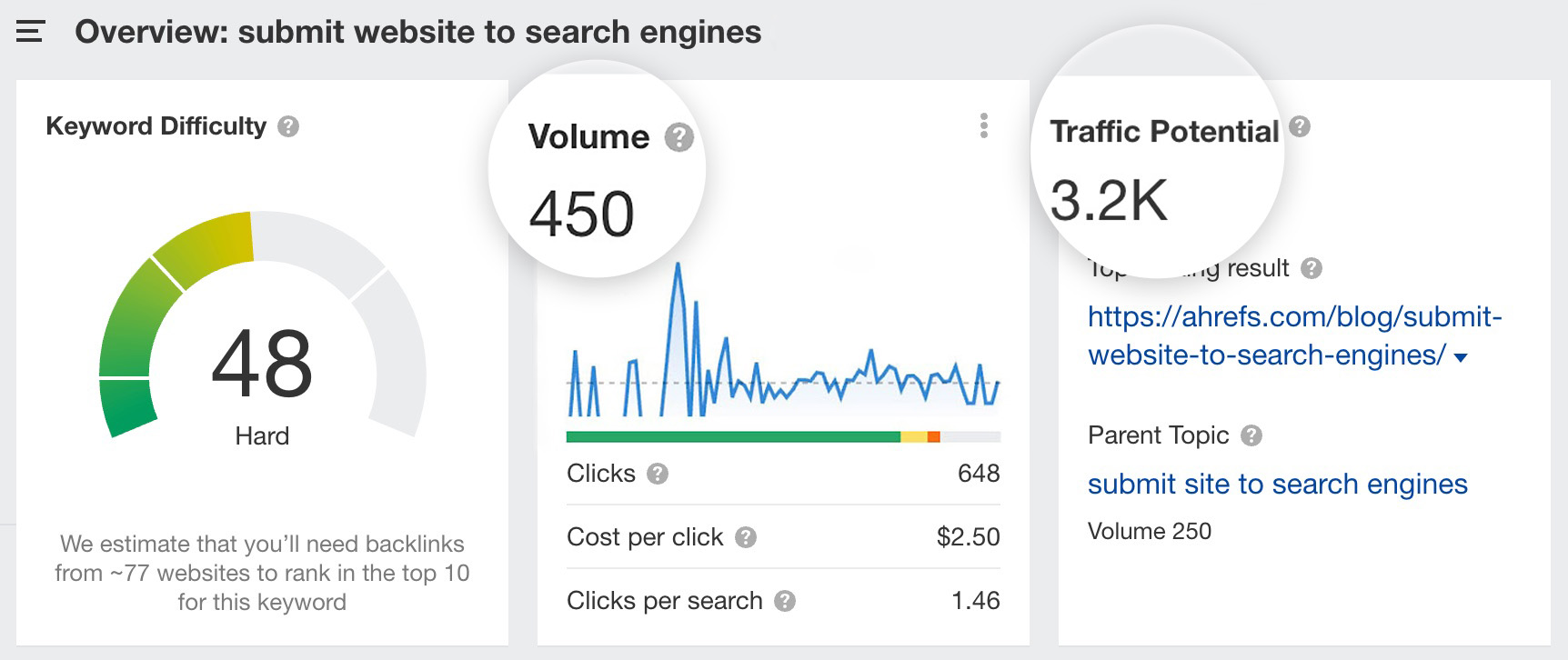
Keyword research for a national SEO campaign is about building “Topical Authority.” It is about owning an entire subject, as opposed to a few words.
- Broad vs. Long-Tail: Long-tail keywords are great for getting quick wins (“accounting software with inventory tracking”). Once you get those quick wins, you can start going after broad keywords (“accounting software”).
- Keyword Clustering: Grouping related keywords under “topic clusters.”
- For example, if your pillar is “Email Marketing,” your clusters are “Automation Workflows,” “Deliverability,” and “Metrics.”
- Keyword Cannibalization: You don’t want to have two pages competing for the same national keyword. This is one of the biggest mistakes a Google SEO company will correct when performing a technical audit.
Step 3: National Content Strategy That Wins

In the age of AI, “thin” content is dead. To rank nationally, your content for SEO services must be original and authoritative.
- Pillar Pages: Authoritative guides (3,000+ words) serving as your authority hubs.
- Comparison Pages: “Tool A vs. Tool B” pages are the gold standard for high-converting content. In 2026, they convert 3.2x higher than standard feature pages.
- Thought Leadership: Original research and data-driven surveys are “link-building magnets.”
- Stat: SaaS sites with original research see 29.7% higher organic growth than those without.
Step 4: On-Page SEO for National Rankings

“This is where you fine-tune your pages to let the search engines know exactly what they are about.”
- Header Hierarchy: Use H1 – H4 tags to make your content easy to scan for humans and AI bots.
- Internal Linking: Link your new posts to your high authority pillar pages to pass on the ‘SEO juice.’
- Schema Markup: Use Organization, FAQ, and Product schema markup. This will help you win ‘Rich Snippets’ in the search results.
Step 5: Technical SEO Foundations for National SEO

Technical problems that can be ignored in local SEO can destroy a national SEO strategy.
- Site Speed: In 2026, 53% of users will abandon a site if it takes more than 3 seconds to load.
- Core Web Vitals: To achieve “National Ranking,” you must successfully complete Google’s LCP, FID, and CLS tests.
- Mobile-First: Since 92.3% access the internet on mobile devices, your site must be flawless on mobile devices.
Step 6: National Link Building & Authority Growth

At the national level, quality is greater than quantity every time. A link from Forbes is greater in value than 1,000 unknown directories combined.
- Digital PR: Creating newsworthy content to garner placement in top news publications.
- Industry Publications: Contributing to publications in your industry or niche.
- Avoid Toxic Links: Steer clear of PBNs or “link farms.” These will get you penalized by a Google SEO company.
Step 7: E-E-A-T & Brand Authority at a National Level

“Experience, Expertise, Authoritativeness, and Trust” (E-E-A-T) is the foundation of corporate SEO services provided by Google.
- Optimizing for AI (AEO): AI Overviews now appear in 60% of searches. To be cited, add a “Direct Answer” (40-60 words) at the top of your sections.
- Cited = Clicks: Brands in AI Overviews receive 35% more organic clicks than those not in the Overviews.
- Author Bios: Brag about your credentials. AI systems now verify author credentials before citing your content as a source.
Step 8: National SEO for AI & Generative Search
You can’t grow what you don’t track. Your national SEO agency should focus on these 2026 KPIs:
Metric | What to Watch | Why it Matters |
Share of Voice | Your visibility vs. competitors | Shows who is “owning” the industry conversation. |
AI Citations | Frequency of being cited in AI Overviews | The new benchmark for authority in 2026. |
Organic Revenue | Total dollars from non-paid search | The only metric that truly matters for ROI. |
MQL-to-SQL Rate | Lead quality | SEO leads are 8.6x more likely to close than outbound leads. |
Friend-to-Friend Tip: Don’t panic if you don’t see results in month one. National SEO is a marathon. Most campaigns see a 7-month break-even point, with peak results hitting in years 2 and 3.
Step 9: Measuring National SEO Campaign Success
You can’t improve what you don’t measure. And when it comes to a national SEO strategy, checking your rankings once a month isn’t enough. You need to look under the hood and use Google Analytics 4 and Google Search Console to measure the actual performance of your efforts.
Keyword Visibility (More Than Just Rankings)
In 2026, being #1 isn’t enough. “Search Features” is where the traffic lives. Here are the things we need to measure:
- Share of Voice: How often do we appear compared to our biggest national competitors?
- Featured Snippet Ownership: Are you the “Position Zero” answer?
- AI Overview Citations: How often does Google’s AI recommend us as a source?
- SERP Real Estate: How often do we appear in “People Also Ask,” image packs, and video carousels?
Organic Traffic Quality
Check your sessions with GA4, but dig deeper than the number itself:
- Traffic by Landing Page: Which guides are actually working?
- Geographic Distribution: Are you actually getting traction across the country, not just the usual states?
- New vs. Returning Users: This will show you if your national SEO is actually getting you loyal fans.
Conversions & Assisted Conversions
Traffic is a vanity metric unless it puts food on the table. Since your national customers have to be exposed multiple times before they buy, you need to track:
- Direct Conversions: The people who click from the search results and buy right away.
- Assisted Conversions: The people who found you through your SEO first, and then came back through an email campaign or direct link to buy.
- Revenue Attribution: Exactly how much money did your monthly SEO services generate in the bank?
The Reporting Cadence
Don’t go crazy trying to keep up with the data every day. Here is the reporting cadence that will keep you sane:
- Weekly: The ‘fire drills’—are there any indexation problems or traffic drops?
- Monthly: This is the ‘how am I doing?’ report—keyword progress, content success, and lead quality.
- Quarterly: This is the ‘big picture’ stuff—competitor shifts, ROI calculations, and strategy changes.
What “Success” Looks Like Over Time
It’s not an overnight light switch; it’s a slow-burning fire. Here’s the typical growth timeline for a national SEO company partnership:
- Months 0–3 (The Foundation): You’re fixing technical problems and building new content. It’s flat. It’s okay.
- Months 3–6 (Initial Traction): You start seeing results for “long-tail” keywords. That’s when your very first few national leads start coming in.
- Months 6–12 (The Acceleration): This is when the “Flywheel” really starts to take effect. You start jumping up to page one for much more popular terms.
- Months 12+ (Market Dominance): You are now a recognized national player. It’s time to start working on keeping your rankings and expanding into other areas.
Friend-to-Friend Tip: Plateaus are a natural part of the growth cycle. If your traffic flatlines for a month, it’s likely that Google is adjusting your new content or your competitor has done something to move up the ranks. It’s time for your national SEO expert to start iterating and improving, not starting over.
How Long Does a National SEO Campaign Take?
If you’re looking to get rich quickly, it’s not going to be through national SEO. But if you’re looking to get rich and stay rich, you’re in the right place. Realistic expectations are the key to a successful national SEO strategy. Quit too early, and you’re missing out on the compounding interest that makes this strategy so lucrative.
The Realistic 2026 Timeline
Of course, every industry is unique, and here is the standard approach that our national SEO expert team normally follows:
- 3 Months: The Foundation. We’ve fixed your technical SEO issues, addressed the “under the hood” problems, and begun publishing your first set of high-authority content related to the SEO services you provide. You may not see the traffic explosion just yet, but your site is now “crawlable” by the big three search engines.
- 6 Months: Early Wins. You’ll start to see your brand show up in the “long-tail” keywords (those specific 3-5 word phrases). Your organic traffic will normally increase by 10-30%, and your national SEO company will have secured your first set of high-tier backlinks.
- 9 Months: Building Momentum. Ah, this is where things get exciting! Your site is likely seeing 50-100% increases in traffic. Your authority metrics are increasing, and those mid-tier keywords are starting to appear on page one.
- 12+ Months: Competitive Positioning. You are now a threat to the big players. You are now ranking for top-tier, broad keywords, and your national search engine optimization efforts are producing a high-margin return on investment.
Why National SEO Is a Long-Term Investment
Unlike ads, which cease to exist the minute you stop paying the “ad tax,” a national campaign with SEO is a lasting digital asset.
- Evergreen Value: A good guide that is written today can bring you leads in 2029.
- Authority Snowball: The more you rank, the more sites link to you, which means you rank even higher. This is the beauty of it.
- Rising Ad Costs: In 2026, PPC ads have increased significantly. SEO is your protection against reduced profits.
Why Some Campaigns Stall (And How to Avoid It)
Even with top-of-the-line SEO packages, it is possible for your marketing efforts to fail if executed poorly. Here are some common mistakes that may cause your business to stall:
- Inconsistent Execution: If you pause your link building or content creation for a month, your competitors will pass you by.
- Targeting the Wrong Keywords: Using “vanity keywords” with high traffic but no buying intent is a poor use of your monthly SEO packages.
- Unresolved Technical Bugs: If your site is slow in 2026, it may as well be invisible to Google and your customers.
- Impatience: Anticipating 12-month results in 90 days is the number one reason businesses fail just before entering their “hockey stick” growth phase.
Friend-to-Friend Tip: Consider your SEO efforts like your 401k for your business – the earlier you start, the greater your reward.
How Much Does a National SEO Campaign Cost?
Budget concerns are often what stall a campaign before it can hit that “compounding interest” phase. In 2026, national SEO services are priced based on the complexity of your industry and the “gap” between you and your top competitors.
Pricing Ranges (2026 Benchmarks)
While every brand is different, most national SEO packages fall into these three tiers:
Tier | Monthly Investment | Best For |
Growth/Startups | $5,000 – $10,000 | Low-to-moderate competition niches; focus on 5–10 high-quality articles/month and core technical health. |
Mid-Market | $10,000 – $25,000 | Scaling SaaS, B2B, or eCommerce brands; aggressive link acquisition and daily technical monitoring. |
Enterprise | $25,000 – $100,000+ | High-competition (Finance, Legal, Health); massive content operations (20+ pieces/month) and deep Digital PR. |
What Impacts Your Total Investment?
A national SEO expert does not throw a number out there arbitrarily. It is based on the following factors:
- The “Link Gap”: If your main competitor has 1,000 high-quality backlinks and you only have 50, then the cost factor will be the aggressive outreach required to catch up.
- Content Complexity: Regulated industries such as Fintech and Healthcare require SME-level writers (Subject Matter Experts), which is more costly than a non-regulated industry.
- Technical Debt: Large eCommerce sites with 10,000+ products require more developer hours to optimize for Core Web Vitals and crawl budget.
In-House vs. Agency vs. Hybrid
Your approach to building out your team has a direct impact on your “Total Cost of Ownership” (TCO):
- In-House Team: Plan for a minimum viable team of manager, writer, and link builder costing upwards of $260k to $430k annually, once you include the cost of benefits, hiring, and a $20k/year tool stack.
- National SEO Agency: You’re essentially “renting” a department for a fraction of the cost—$72k to $240k annually. You get the benefit of speed but sacrifice a little bit of intimacy with the brand.
- The Hybrid Model (Best for Series B): Hire one person in-house to own the strategy and roadmap ($100k+), and leverage the agency for the heavy lifting ($75k+).
ROI Expectations Over Time
For the year 2026, the average ROI expectation for B2B SaaS SEO is about 702% over the course of a 3-year period. This is how the math is generally broken down:
- Year 1: Breakeven to 2x ROI (The focus is on the 7-9 month break-even point.)
- Year 2: 3x – 5x ROI as organic traffic becomes your main source of leads.
- Year 3+: 5x – 10x+ ROI as your “domain authority” allows you to rank on new keywords almost instantaneously.
Friend-to-Friend Tip: If you’re being sold on something by an agency that’s under $2,000/month for a ‘national’ campaign, be careful. At that price point, they’re not doing the manual outreach and high-end content creation required to compete with the national brands you’re trying to reach.
Common National SEO Mistakes to Avoid
Success at the national level is often a matter of avoiding the “silent killers” that drain budgets without moving the needle. In 2026, the stakes are even higher as Google’s AI Overviews and human-centric algorithms become less forgiving of generic strategies.
1. Treating National SEO Like “Local SEO Everywhere”
The biggest mistake is thinking that a national campaign for SEO is just 50 local campaigns combined.
- The Trap: Creating hundreds of “location pages” (e.g., “SEO services in Chicago”) with identical, thin content.
- The Fix: Build topical authority. Focus on broad, high-intent keywords that solve problems regardless of geography. Google’s 2026 updates now actively de-rank “scaled” thin location pages in favor of comprehensive industry resources.
2. Targeting Keywords Without “Click Intent”
In the day and age of AI Overviews, volume does not equate with value. Many SEO monthly packages are sold based on the wrong stage of the funnel.
- The Trap: Targeting “what is…” type informational terms answered by AI right on the search results page (known as zero-click searches).
- The Fix: Move your targeting focus to Comparison and Transactional intent.
- ❌ Targeting: “How does project management work?” (Answered by AI).
- ✓ Targeting: “What is the best enterprise project management software for agencies in 2026?” (Users need your expert opinion and data to make the decision).
3. Thin or “AI-Only” Content
Google also rewards “Information Gain” – the inclusion of new, unique information not found anywhere else on the web. This is a fundamental part of any professional SEO package.
- The Trap: Using AI to write 500-word pieces simply summarizing existing web content.
- The Fix: Writing in-depth guides (1,500–3,000+ words) that include original research, studies, and unique frameworks.
- 2026 Stat: Original data in content increases 28% in citations in AI Overviews.
4. Ignoring the Technical “Core Web Vitals”
The best SEO package in the world can’t fix a broken website. Technical perfection is the starting point for any decent corporate SEO service.
- The Trap: Allowing your website speed and mobile usability to fall behind the times. In 2026, 58.5% of searches will terminate without a click, which means the people clicking have zero tolerance for your slow website.
- The Fix: Make sure your LCP is under 2.5 seconds. Technical perfection is no longer a ‘nice to have’; it’s the ‘must have’ that is the barrier to entry for any national SEO agency.
5. Expecting “Instant” National Results
When it comes to national SEO, it’s all about domain authority. You’re going up against brands that have spent the last decade accumulating domain authority.
- The Trap: Cutting your budget at month 4 because your traffic has not yet doubled.
- The Fix: Commit to a 12–18 month strategy.
- Reality Check: A national SEO package will break even at month 7, with the biggest return on investment occurring in year 2.
6. Not Aligning SEO with Business Revenue
Ranking for keywords that do not convert is simply a waste of time, and your SEO strategy firm must keep the focus on the bottom line.
- The Trap: Focusing on the number of sessions with the keyword “organic.”
- The Fix: Focus on Assisted Conversions and Revenue Attribution. Use GA4 to track how your national blog post contributed to the conversion six months later.
Friend-to-Friend Tip: The “Lazy SEO” days are over. In 2026, you must be sourceable. If you can’t be found by Google’s AI or a human as the source of some unique fact or opinion, you do not exist.
Can You Scale from Local to National SEO?
Many businesses begin by becoming local SEO experts in their own “backyard” before making the leap to becoming SEO experts on a nationwide stage. However, in 2026, this is going to be a common transition for service businesses and eCommerce sites, but it is going to involve a fundamental change in how you look at “authority.”
When It Makes Sense to Scale
You shouldn’t scale from local to national SEO just because you know how to ship a box. It actually makes sense to scale when:
- Operational Readiness: You have the operational ability to deliver quality service or shipping to another time zone.
- Local Dominance: You’ve reached some type of “ceiling” in your local market share and have access to capital to reinvest in your business.
- Proven Demand: You’ve validated that your product or service solves a pain point for your market, which isn’t localized to any city or region.
- High “Digital Share of Voice”: You are already ranking number one for local keywords and are seeing “unintentional” traffic from other states.
How to Transition Strategies
Don’t simply switch a switch—take a phased approach to protect your existing local revenue while building your national engine.
Phase 1: Hybrid Testing
Continue to optimize your existing local landing pages, but begin targeting “non-geo” keywords in your blog posts. This will give you a sense of how your site competes without the city name attached.
Phase 2: Pillar Expansion
Develop “Ultimate Guides” that answer broad industry questions like “How to Choose a B2B CRM.” This is the foundation of your national SEO strategy.
Phase 3: Authority Shift
Shift your focus from local directory citations to earning mentions in national trade publications and news organizations. Links from these types of domains have more “weight” for your entire domain.
Phase 4: Full Scale
Scale your SEO offerings to $10,000+ per month to compete on the highest volume, highest competition keywords. In this phase, you’re actively trying to beat the industry leaders.
What Must Change in Your Playbook
When you go national, the rules of the game change quite a bit:
- Content Strategy: Your topic shifts from “Best Plumber in Austin” to “How to Prevent Pipe Bursts in Freezing Weather” (topical authority).
- Link Building: Your link partners change from the local Chamber of Commerce to TechCrunch, Forbes, or industry-specific .edu sites.
- Technical SEO: Now you must think about “Crawl Budget.” The larger the site, the longer it takes Google to crawl your pages, and you’ll never rank.
- Budget Allocation: Your successful local campaign may be running on $2k-$5k per month. A successful national SEO campaign requires a $10k-$50k+ per month budget to generate any kind of return.
Local + National SEO Working Together
Scaling doesn’t mean forgetting about your local presence. In fact, it means the two complement each other beautifully:
- The Authority Halo: Your national content generates massive authority, which has the effect of making your local content rank even higher for the likes of ‘near me’ searches.
- Diversified Traffic: Your local traffic generates immediate conversions, while your national traffic generates your brand awareness.
- Shared Domain Strength: Every quality backlink you earn with your national guide content makes your entire website more trustworthy in the eyes of the search engines.
Friend-to-Friend Tip: Think of your local SEO as your ‘cash flow’ and your national SEO as your ‘growth engine.’ In 2026, 46% of searches will still contain local intent, so you shouldn’t forget about your local roots when you’re dominating the country.
Should You Outsource a National SEO Campaign?
Simply put, most businesses just don’t have the in-house resources and tools to compete at the national level. In 2026, SEO means complex AI optimizations and advanced Digital PR strategies. It is not something that can be done on a DIY basis without stagnating your search engine rankings.
When Outsourcing Makes Sense
If you’re in one of the following situations, then hiring a national SEO company is the best decision for your business:
- Knowledge Gap: You have a great team for general marketing, but you don’t have access to a national SEO expert who knows the algorithm changes of 2026.
- High-Stakes Competition: You’re competing with “Goliaths” in your industry who have dedicated SEO teams.
- Focus Issues:You have a team that needs to concentrate on product development and operations rather than looking for backlinks.
- Scaling Speed: You want to bypass the “trial and error” phase of SEO and utilize SEO service packages that deliver results.
What to Look for in a National SEO Agency
Don’t just hire the first Google SEO company you find. Look for these four pillars:
1. Proven Track Record
Ask for case studies that show measurable growth in national organic revenue, not just “more traffic.” A number 1 SEO business should be able to show you how they took a client from page 10 to page 1 for broad terms.
2. Transparent Processes
You should never be in the dark. The best SEO packages include detailed strategy documentation and clear, jargon-free reporting.
3. Industry Specialization
A corporate SEO services provider that knows the nuances of healthcare will perform better for a medical brand than a generalist agency. They already understand your audience’s pain points.
4. Comprehensive Offerings
A true national SEO service should be a one-stop shop for:
- Advanced technical SEO (Core Web Vitals, Schema)
- High-end content for SEO services
- Manual, ethical link-building
- AI and Generative Search optimization
Questions to Ask Before You Sign
Treat the hiring process like an interview for a C-suite executive. Ask:
- “How do you approach keyword research for a national SEO campaign versus a local one?”
- “What’s your link-building strategy, and how do you ensure we don’t get hit by a Google penalty?”
- “What is the realistic timeline for our national search engine optimization to show a positive ROI?”
- “How are you optimizing our content to be cited in AI Overviews?”
Red Flags to Avoid
If you hear any of these, run the other way:
- “We Guarantee #1 Rankings”: No ethical Google SEO companies can guarantee a specific spot on Google.
- “Dirt-Cheap Pricing”: If you see SEO packages monthly for $500, they are likely using automated “black hat” tactics that will get your site banned.
- Lack of Transparency: If they won’t tell you exactly where your links are coming from, they are likely using a “Link Farm.”
- No Contract Flexibility: Avoid being locked into a 24-month contract without a “kill switch” if results aren’t met.
Friend-to-Friend Tip: Choosing a partner is about trust. A reputable nationwide SEO company will be honest with you about how hard the climb is, rather than promising the moon in 30 days.