Think of the last time you paid a higher price for a product only because of its brand name. That’s brand equity in action.
Brand equity in today’s competitive market enables certain businesses not only to survive but also to thrive. It’s an invisible pull that makes customers choose your brand even when cheaper options exist. To build this “invisible pull,” businesses must execute a data-driven content marketing strategy that fosters trust and reinforces value at every digital touchpoint. This strategic branding is what helps profit margins become a competitive differentiator rather than a race to the bottom.
Significant brand equity doesn’t come about by accident. It’s cultivated through consistent experiences, genuine connections, and strategic branding efforts that align with what your audience wants. This guide will show you how to build a brand that people can trust, prefer, and are happy to pay a premium for.

TL;DR
- Brand equity is the value by which your brand exists in the consumers’ minds, beyond the actual product.
- It facilitates premium pricing, generates loyalty, improves profit margins, and positions the brand ahead of the competition.
- Brand equity is the combination of seven core components i.e., awareness, associations, perceived quality, loyalty, distinctive assets, personality, and differentiation.
- Its measurement includes awareness indicators, perception surveys, loyalty levels, NPS scores, and financial results.
- One cannot say that it is an overnight success, but rather it takes years to create. Yet, it can be very fragile and thus can be broken as fast as it took to build, by scandals, bad experiences, or inconsistent messaging.
- Brand equity has been a significant factor that has pushed companies such as Apple, Patagonia, and Coca-Cola into the multibillion-dollar club for years.
- Nowadays, the world sets its standards on authentic living, being transparent, and, most importantly, having values in common, especially among younger buyers.
What Is Brand Equity?
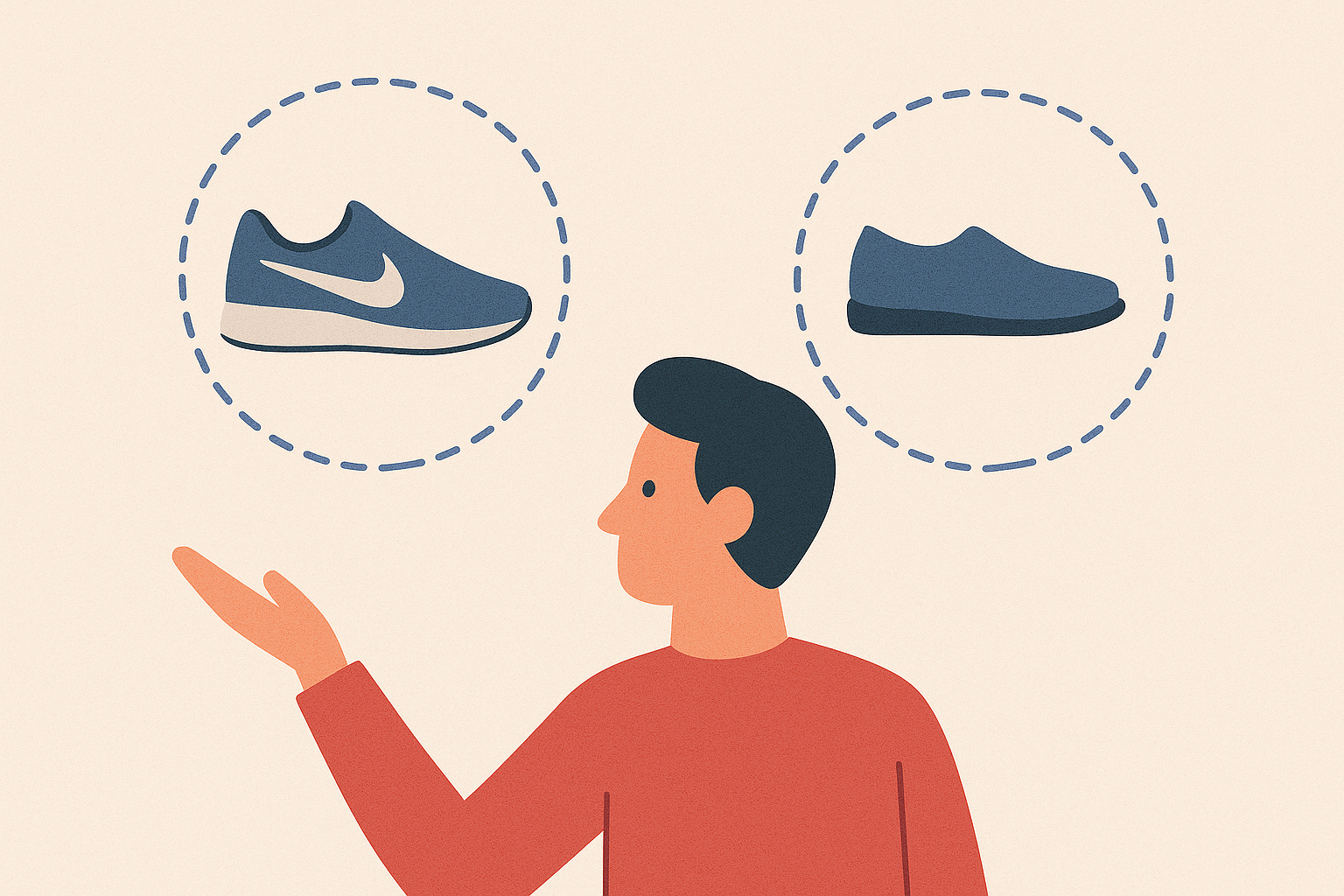
Brand equity, in straightforward terms, is the brand’s business value resulting from the way customers perceive the brand, that is, perception, not the product itself.
When a consumer opts for Nike instead of a no-name brand shoe or pays $7 for Starbucks coffee while he could make it for a few cents at home, this is brand equity in operation. It is this intangible thing that lives in the people’s minds; it gets formed through every touchpoint they have with your brand.
Brand Equity vs. Brand Value: What’s the Difference?
People often confuse these terms, but they measure different things:
| Aspect | Brand Equity | Brand Value |
| Definition | Customer perception and emotional connection | Financial worth of the brand as an asset |
| Measurement | Surveys, loyalty metrics, brand awareness | Revenue attribution, market valuation |
| Focus | Psychological and experiential | Monetary and tangible |
| Example | How customers feel about Apple products | Apple’s $947.1 billion brand value (2024) |
Think of it this way: brand equity drives brand value. The stronger your customer perception, the higher your financial value becomes.
The Two Faces of Brand Equity
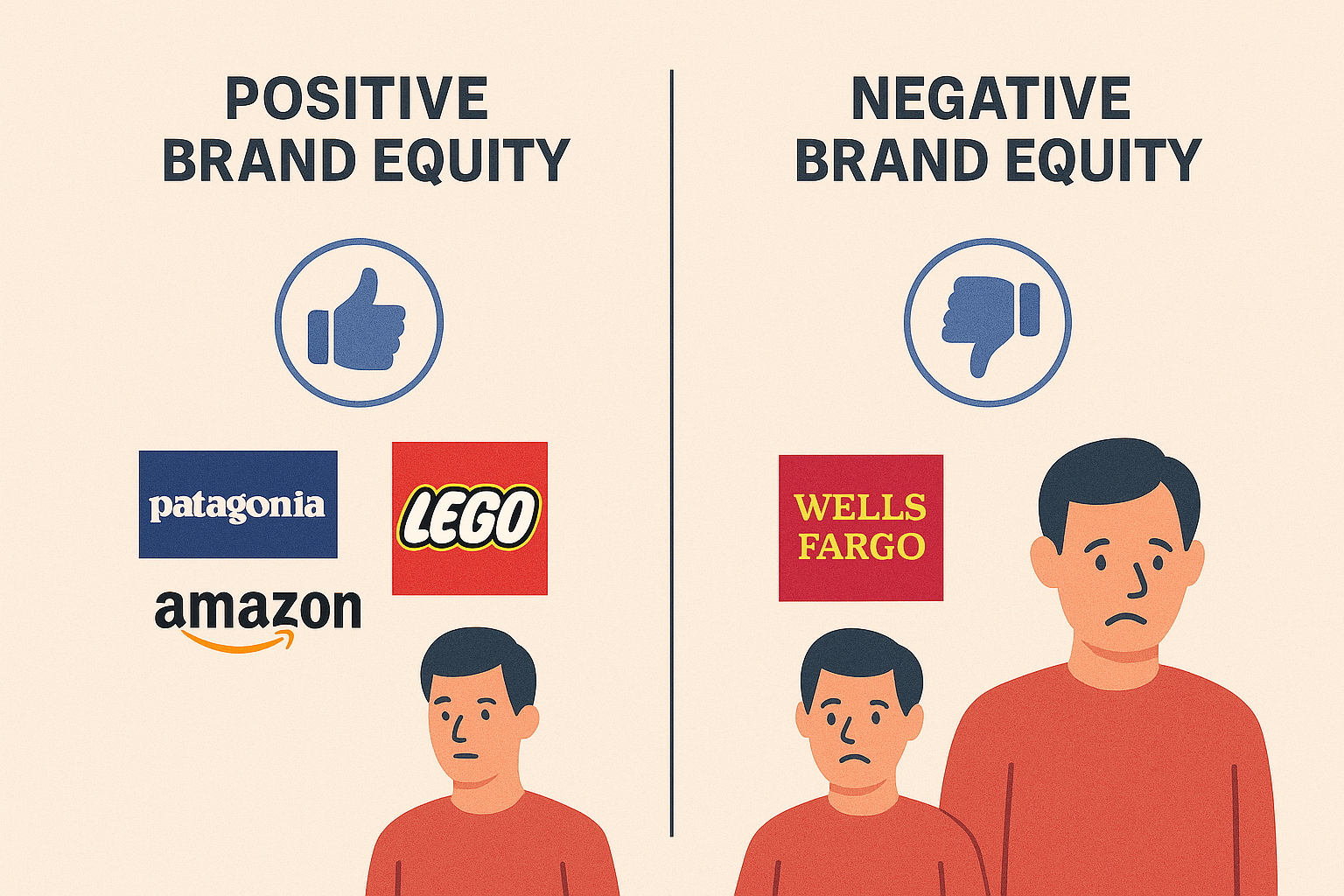
Positive brand equity happens when customers view your brand favorably. They trust your brand, prefer it over competitors, and often become advocates. Companies like Patagonia, LEGO, and Amazon have built massive positive associations through consistent quality and values alignment.
According to a 2026 study by Edelman, 81% of consumers say brand trust is a deciding factor in their purchase decisions.
Negative brand equity is the opposite. When customers associate your brand with poor experiences, scandals, or broken promises, they actively avoid you. Remember when Wells Fargo’s fake account scandal damaged its brand’s reputation? Customer satisfaction plummeted, resulting in a loss of billions in market value.
The difference between positive and negative brand equity often comes down to one thing: whether you consistently deliver on your brand promise.
Why Brand Equity Matters
Still wondering if brand equity is important enough to invest in? Let’s break down the tangible benefits.
Financial Advantages That Impact Your Bottom Line
Premium pricing power: When you have high brand equity, customers are willing to pay more. Apple charges premium prices because its brand is synonymous with innovation and quality. Studies show that valuable brands can command price premiums of 20-200% over generic alternatives.
Better profit margins: Strong brand equity results in lower customer acquisition costs and higher lifetime customer value. You spend less convincing people to buy because your brand’s reputation does the heavy lifting.
Marketing efficiency: A reputable brand gets more bang for its marketing buck. According to Nielsen research, 59% of consumers prefer buying new products from brands they’re familiar with.
Customer Behavior Advantages
- Built-in trust: High brand equity creates a shortcut to trust. Customers assume quality before they even try your product.
- Loyalty that lasts: Brand loyalty translates to repeat purchases. Research from Bain & Company shows that increasing customer retention by just 5% can boost profits by 25-95%.
- Word-of-mouth amplification: Loyal customers become voluntary brand ambassadors, reducing your reliance on paid advertising.
Competitive & Growth Advantages
Companies with good brand equity enjoy:
- Easier market expansion into new categories
- Greater resilience during economic downturns
- Higher company valuations (brand assets can represent 30% or more of total enterprise value)
- Stronger negotiating power with retailers and partners
The bottom line? Brand equity isn’t just a marketing metric. It’s a business strategy that directly impacts your financial value and long-term survival.
Core Elements of Brand Equity
What actually creates brand equity? Think of these seven elements as the building blocks:
1. Brand Awareness
Before customers can prefer your brand, they need to be aware of it. Brand awareness measures how easily people recognize and recall your brand.
Two levels matter:
- Brand recognition: “I’ve seen that logo before”
- Top-of-mind awareness: “When I think coffee, I think Starbucks.”
2. Brand Associations
These are the mental connections customers make with your brand. Volvo means safety. Disney means family magic. Tesla means innovation.
Positive associations strengthen your position, while negative ones require serious reputation management.
3. Perceived Quality
Customers form opinions about your quality before they even buy. This perceived quality can justify higher prices and create preference, even when actual quality differences are minimal.
4. Brand Loyalty
The holy grail of brand equity. When customers consistently choose you over competitors, ignore price differences, and defend your brand in conversations, you’ve achieved true brand loyalty.
Retaining existing customers costs 5 to 25 times less than acquiring new ones, according to the Harvard Business Review.
5. Distinctive Brand Assets
Your logo, colors, sounds, and visual identity create instant recognition. Think McDonald’s golden arches, Intel’s sonic logo, or Tiffany’s robin egg blue.
6. Brand Personality & Emotional Meaning
Does your brand feel innovative? Luxurious? Playful? Trustworthy? This emotional connection drives customer-based brand equity more than rational features ever could.
7. Brand Differentiation
What makes you different? If your answer is “quality” or “customer service,” dig deeper. True differentiation gives customers an apparent reason to choose you.
The Major Brand Equity Models
Experts have developed several frameworks that define brand equity in different ways. Here are the four most influential:
Aaker’s Brand Equity Model
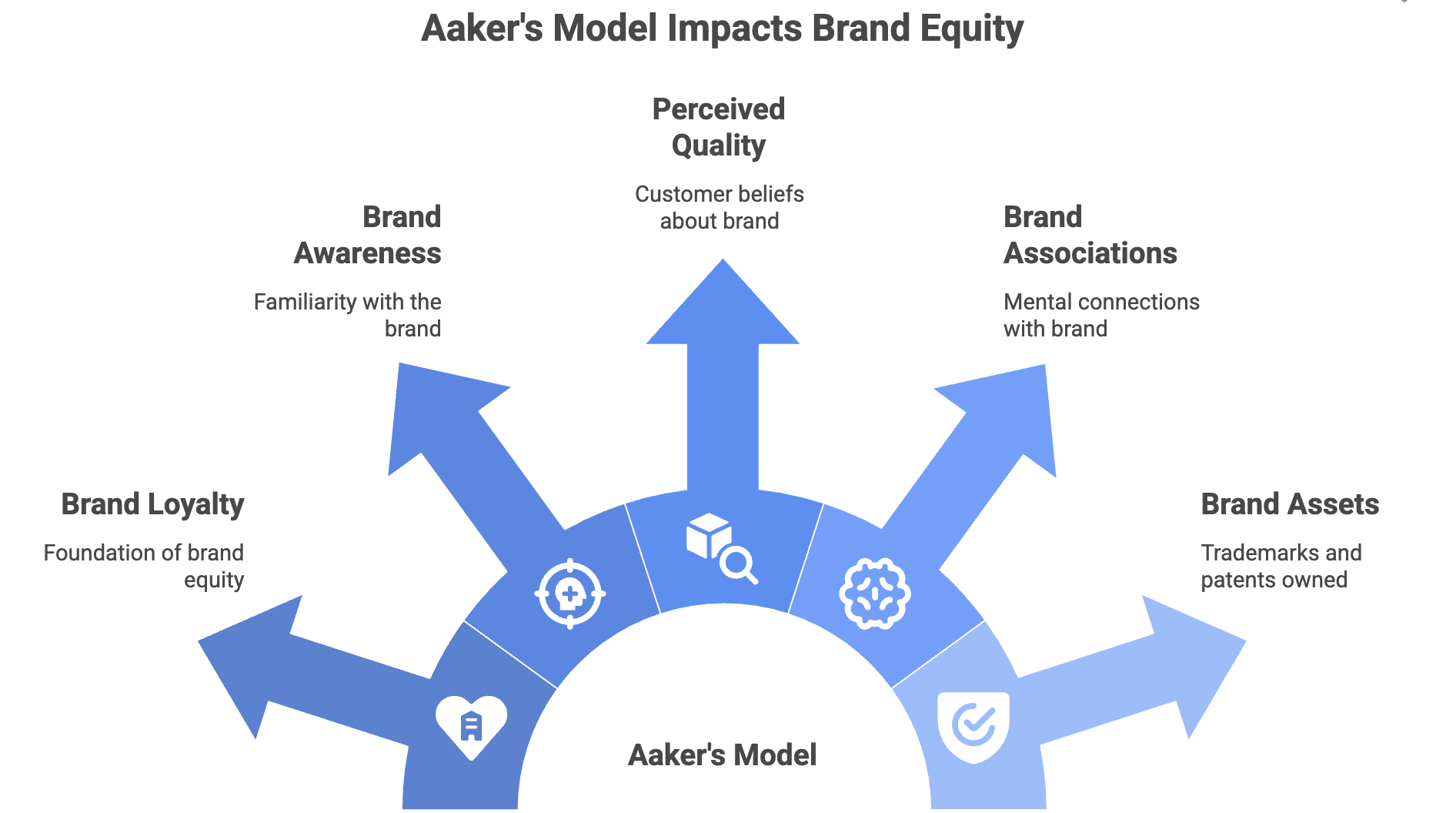
David Aaker’s classic model includes five components:
- Brand loyalty (the foundation)
- Brand awareness (familiarity)
- Perceived quality (customer beliefs)
- Brand associations (mental connections)
- Proprietary brand assets (trademarks, patents)
This model emphasizes that loyalty is the ultimate goal, supported by the other four pillars.
Keller’s Customer-Based Brand Equity (CBBE) Pyramid
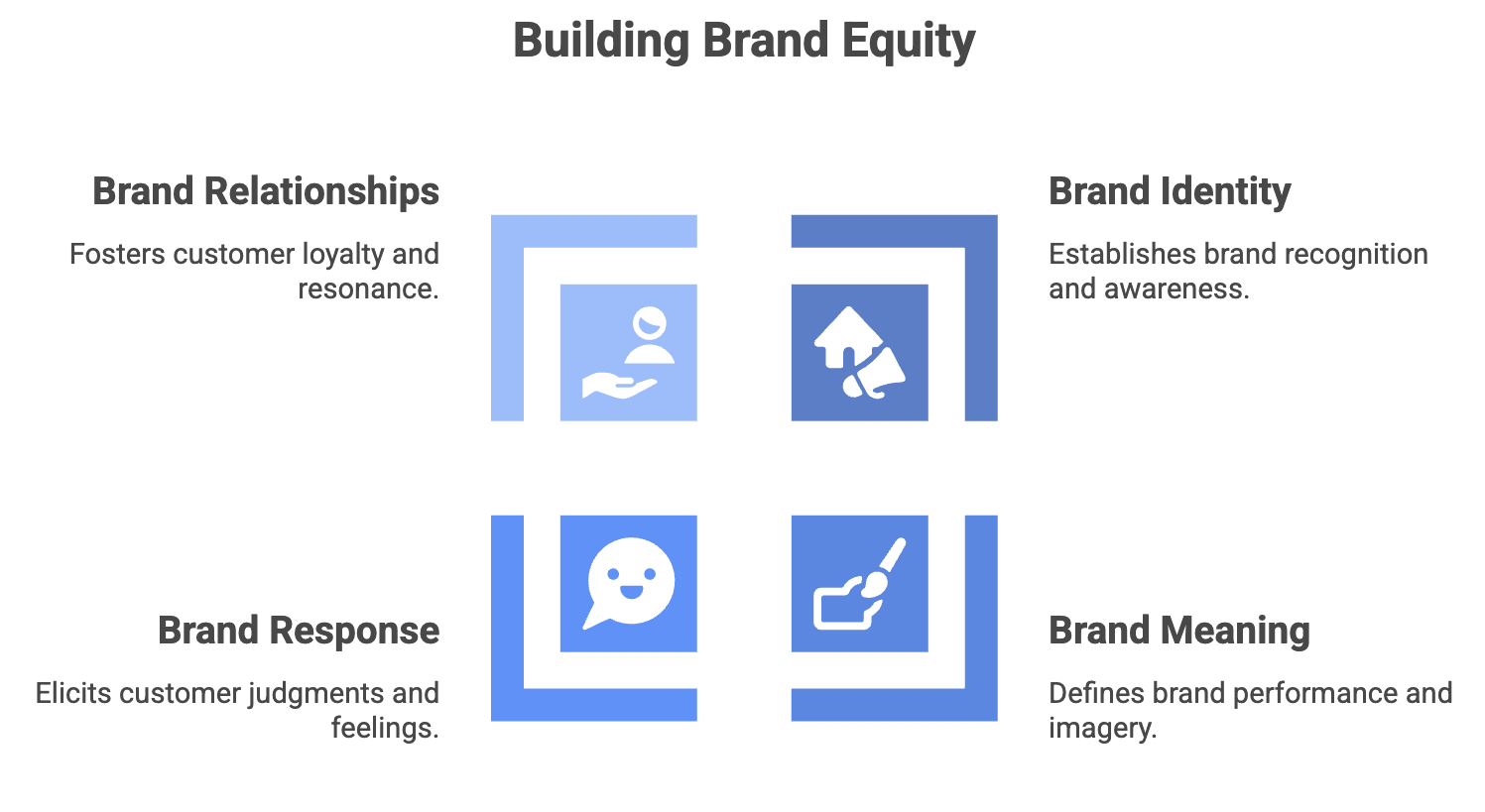
Kevin Keller’s pyramid climbs four levels:
Level 1 – Identity: Who are you? (Brand salience and awareness)
Level 2 – Meaning: What are you? (Performance and imagery)
Level 3 – Response: What about you? (Judgments and feelings)
Level 4 – Relationships: What about you and me? (Resonance and loyalty)
You can’t skip levels. Build from the bottom up.
Brand Asset Valuator (BAV) Model
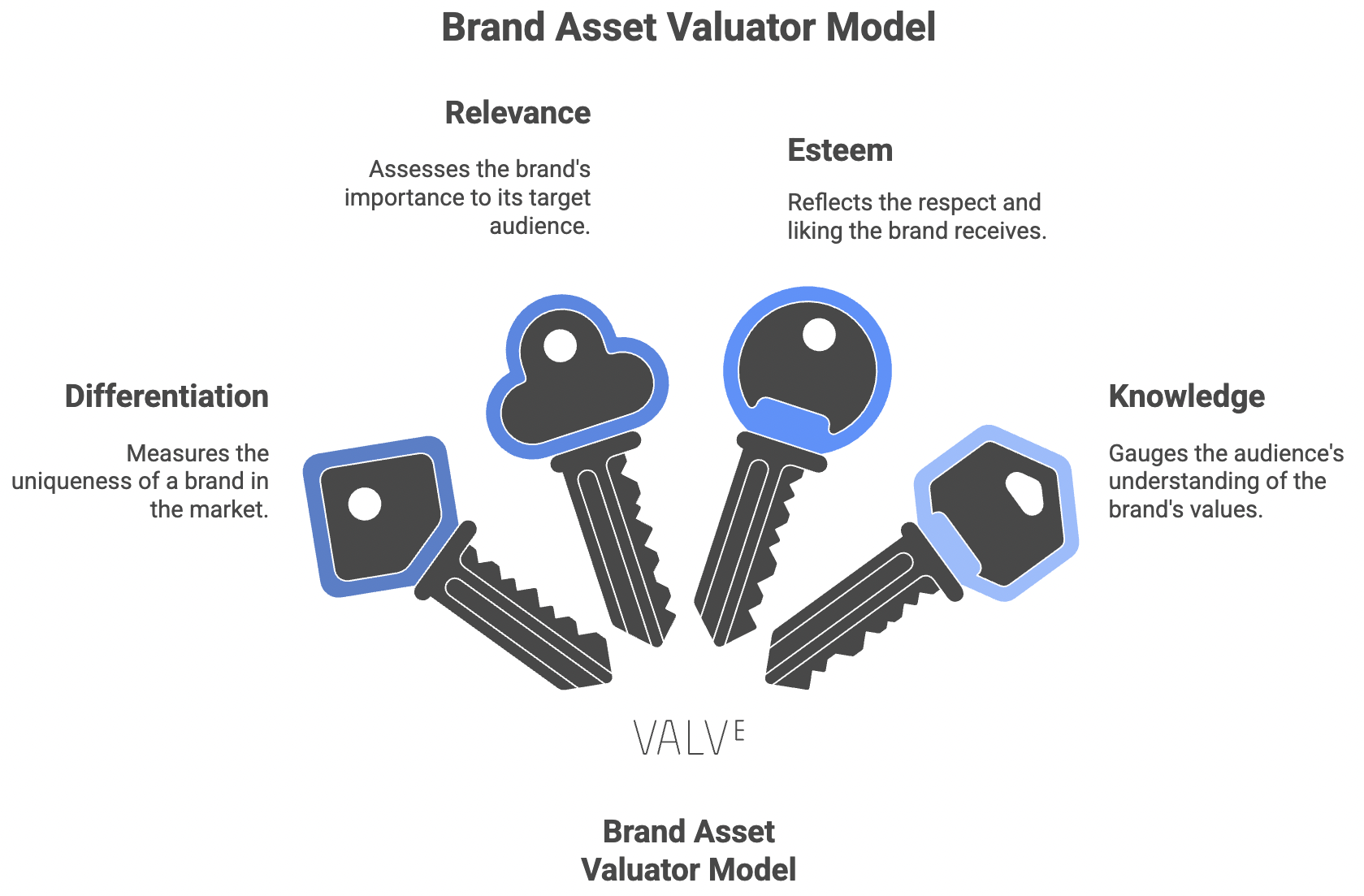
Developed by Y&R, this model tracks four pillars:
- Differentiation: How unique is your brand?
- Relevance: Does it matter to your audience?
- Esteem: Do people respect and like it?
- Knowledge: Do they understand what you stand for?
BrandZ Model
Millward Brown’s pyramid focuses on:
- Presence: Do customers know you?
- Relevance: Do they consider you?
- Performance: Do you deliver?
- Advantage: Are you better?
- Bonding: Do they love you?
Each model offers unique insights, but they all emphasize the same truth: brand equity builds progressively through consistent positive experiences.
📈 Turn Brand Perception into Market Power
Brand equity is built on the stories you tell and the value you provide. Learn how to build a winning Content Marketing Strategy here →
How Brand Equity Works: The Customer Perception Loop
Understanding the mechanics helps you build strategically. Here’s how brand equity compounds:
Stage 1: Awareness → A potential customer discovers your brand through ads, social media, or word-of-mouth.
Stage 2: Initial Perception → They form first impressions based on your brand image, messaging, and visual identity.
Stage 3: Emotional Reaction → Your brand meaning resonates (or doesn’t) with their values and needs.
Stage 4: Experience → They try your product or service and evaluate whether it matches expectations.
Stage 5: Repeat Purchase → If the experience was positive, they buy again.
Stage 6: Loyalty Formation → Over time, positive experiences create brand trust and preference.
Stage 7: Equity Increase → Loyal customers pay premium prices, recommend you to others, and increase your overall brand value.
This isn’t a one-time journey. Every interaction either strengthens or weakens the loop.
How to Build Brand Equity
Ready to build a brand people trust? Here’s your roadmap.
1. Deliver Consistently High-Quality Experiences
Everything starts here. You can’t market your way out of a bad product.
Product quality: Meet or exceed expectations every single time. According to PwC, 73% of consumers say customer experience is a key factor in purchasing decisions, but only 49% say companies provide a good experience.
Service Quality: Train Your Team to Embody Your Brand Values. Zappos built a legendary brand equity primarily through exceptional customer service.
Digital experience: Your website, app, and support channels should reflect the same quality as your physical products.
2. Strengthen Brand Awareness
You need to be known before you can be preferred.
Multi-channel visibility:
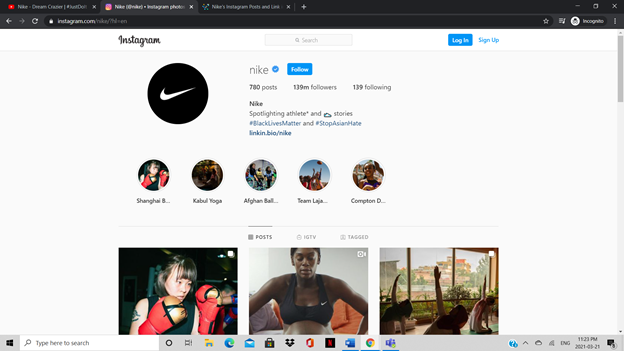
- Social media presence that matches where your audience lives
- Content marketing that provides value, not just promotions
- Strategic partnerships and influencer collaborations
- PR and earned media that build credibility
Consistency is key: Use the same visual identity, tone, and messaging across every touchpoint. You can use various tools like an ad maker to make your work more streamlined.
3. Create a Clear, Memorable Brand Identity
Your brand identity includes:
| Element | Purpose | Example |
| Logo | Instant recognition | Nike swoosh |
| Color palette | Emotional association | Coca-Cola red |
| Typography | Personality expression | Disney’s whimsical font |
| Voice & tone | Consistent communication | Mailchimp’s friendly, casual voice |
| Brand story | Emotional connection | TOMS’ one-for-one mission |
4. Build Positive Brand Associations

Connect your brand to concepts customers value:
- Values-based marketing: Patagonia’s environmental activism attracts like-minded customers
- Strategic partnerships: GoPro + Red Bull = adventure and extreme sports
- Community involvement: Local businesses that sponsor youth sports build neighborhood loyalty
- Cultural relevance: Nike’s social justice campaigns strengthen brand meaning for many consumers
5. Use Social Proof Strategically
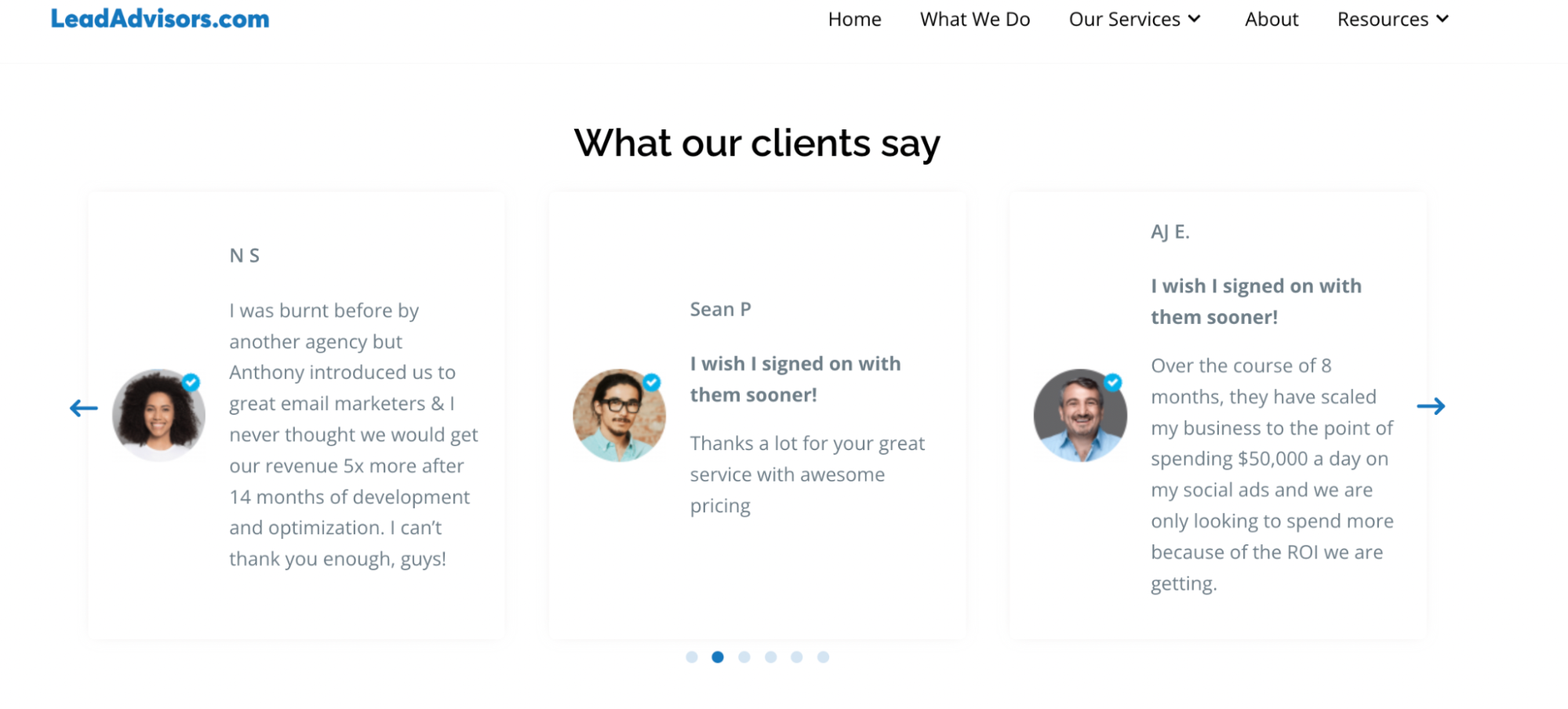
Nothing builds brand trust faster than seeing others vouch for you:
- Display customer reviews and ratings prominently
- Create case studies showing real results
- Encourage user-generated content and share it
- Build referral programs that reward brand advocates
A BrightLocal study found that 87% of consumers read online reviews for local businesses in 2023, and 79% trust online reviews as much as personal recommendations.
6. Build an Emotional Connection
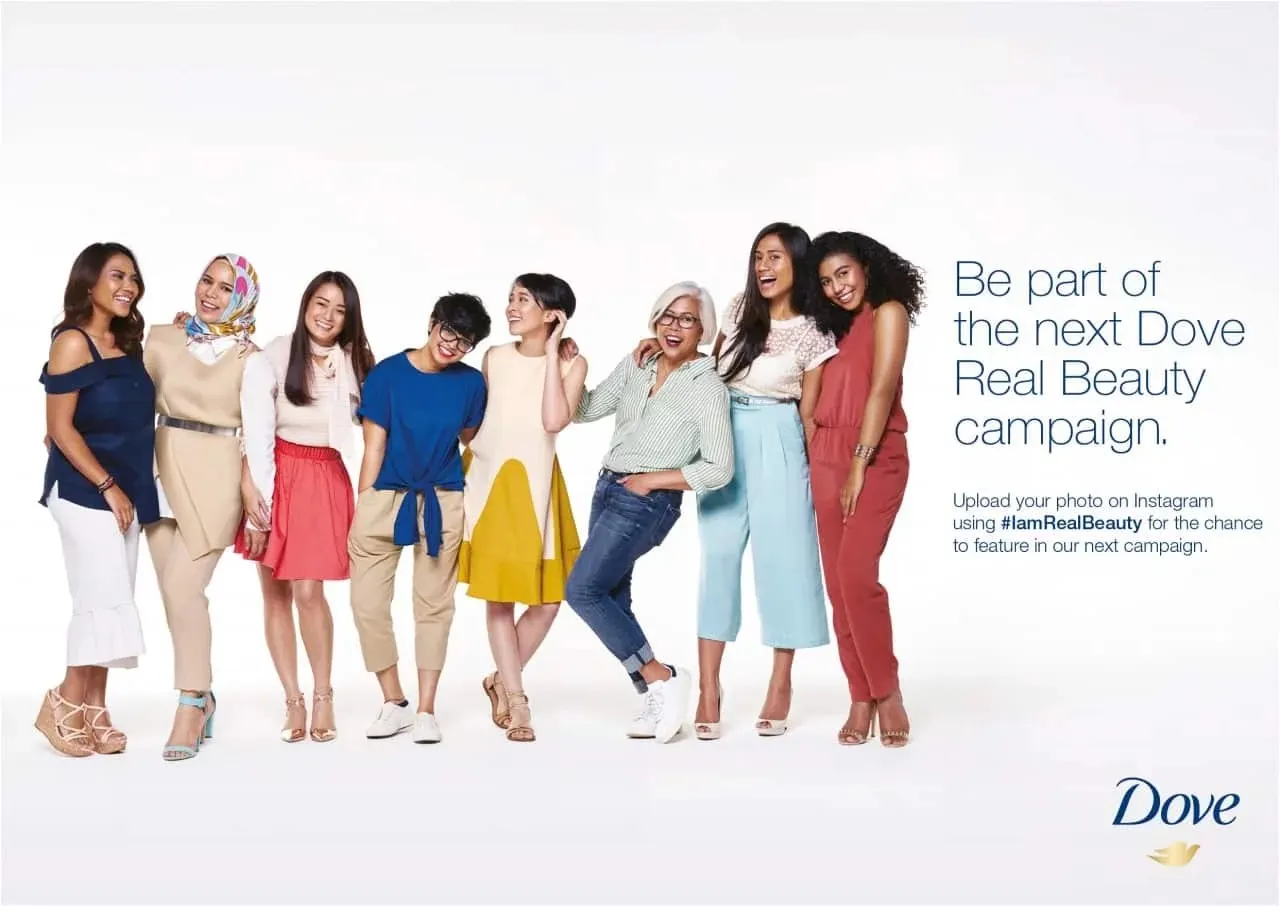
Facts tell, but emotions sell. Create brand meaning beyond functional benefits:
- Define your purpose: Why does your brand exist beyond making money?
- Engage authentically: Respond to customers personally, not with canned responses
- Create experiences: Apple Stores aren’t just retail spaces; they’re brand temples
- Ask for feedback: Show customers you value their input
7. Maintain Consistency Across All Touchpoints
Inconsistency erodes trust faster than almost anything:
- Create comprehensive brand guidelines
- Train every employee on brand values
- Audit all customer touchpoints regularly
- Ensure your brand positively represents itself everywhere
How to Measure Brand Equity
You can’t improve what you don’t measure. Here are the key metrics to track:
Brand Awareness Metrics
Quantitative measures:
- Unaided brand recall (“Name coffee brands you know”)
- Aided brand recognition (“Have you heard of Dunkin’?”)
- Search volume and trends for your brand name
- Social media mentions and share of voice
Brand Perception Metrics
Understanding how customers view you:
- Brand perception surveys (semantic differential scales)
- Net Promoter Score (NPS): “Would you recommend us?”
- Sentiment analysis of reviews and social mentions
- Brand audit results comparing you to competitors
Brand Loyalty Metrics
Measuring repeat behavior:
- Customer retention rate: What percentage come back?
- Customer lifetime value (CLV): How much do they spend over time?
- Repeat purchase rate: How often do they buy again?
- Churn rate: Who’s leaving and why?
Research shows that increasing customer retention by just 5% can increase profits by 25-95%.
Brand Affinity & Emotional Metrics
Going beyond transactions:
- NPS and willingness to recommend
- Engagement rates on owned channels
- User-generated content volume
- Community participation metrics
Financial Impact Metrics
The bottom-line indicators:
- Price premium: How much more can you charge vs. competitors?
- Market share: Are you gaining or losing ground?
- Customer acquisition cost (CAC): Is it decreasing as brand equity grows?
- New product launch success rates: Does your brand name help new offerings?
To truly measure brand equity, combine multiple metrics. No single number tells the complete story.
Common Challenges & Risks
Even strong brands face threats to their equity. Here’s what to watch for:
The Reputation Landmines:
- Negative publicity or scandals: United’s passenger-dragging incident cost them $1.4 billion in market value in one day
- Poor customer experience: One viral complaint can undo years of brand building
- Inconsistent branding: Confusing messaging dilutes brand knowledge and weakens associations
- Brand dilution: Overextending into too many categories waters down what your brand stands for
- Cultural missteps: Pepsi’s tone-deaf Kendall Jenner ad damaged brand perception among key demographics
Modern Digital Challenges:
The internet never forgets. Review sites, social media, and viral videos mean your brand’s reputation can shift overnight. A 2023 Sprout Social study found that 46% of consumers will publicly call out brands on social media for poor service.
The Solution? Build such strong positive brand equity that it can withstand occasional stumbles. Buffer your brand trust through consistent quality and authentic communication.
Real Examples of Brand Equity in Action
Brands with Exceptional Positive Brand Equity
Apple: Commands premium prices, has cult-like loyalty, and maintains profit margins competitors can’t touch. Customers camp outside stores for the launch of new products. That’s brand equity.
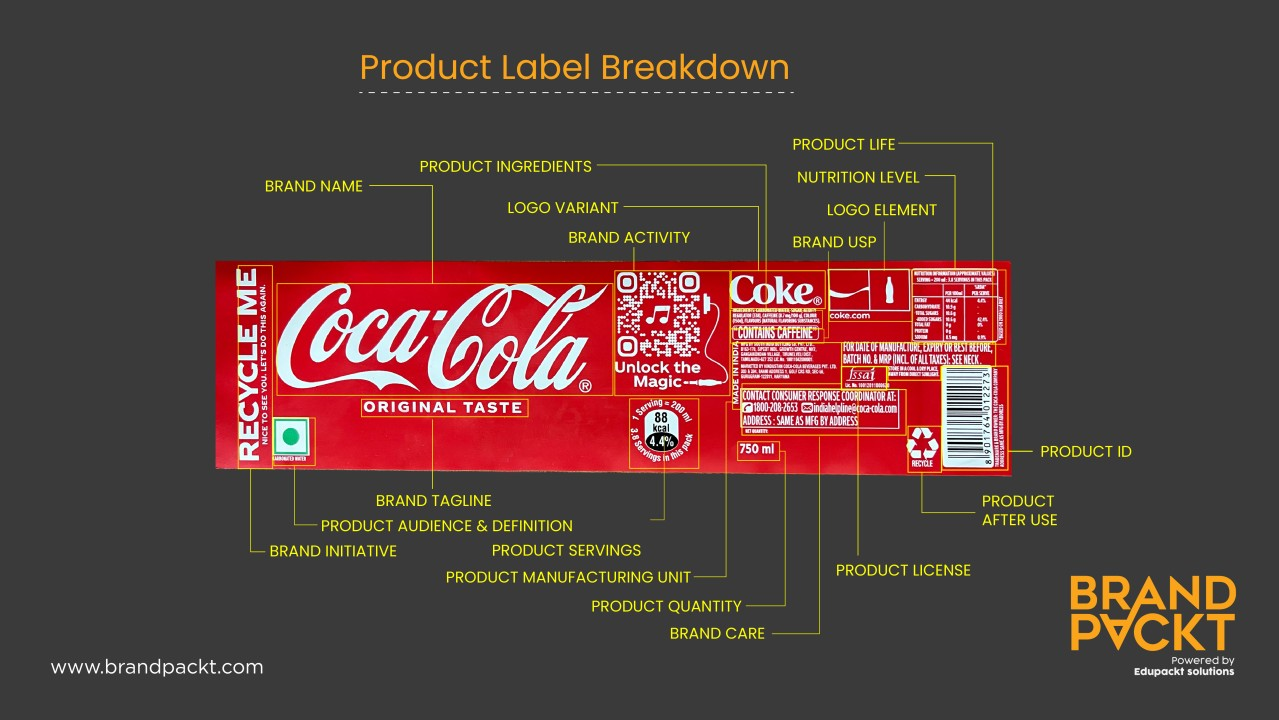
Coca-Cola: Despite being sugar water, they’ve built $97.9 billion in brand value through consistent messaging and emotional brand associations spanning generations.
Patagonia: Their “Don’t Buy This Jacket” campaign strengthened brand loyalty by aligning with customer values. Revenue increased 30% that year.
LEGO: Bounced back from near-bankruptcy by refocusing on quality, creativity, and nostalgia, building one of the world’s most valuable brands.

Brands That Suffered Negative Brand Equity
Wells Fargo: The fake accounts scandal destroyed decades of financial brand trust. They’re still recovering years later.
Boeing: The 737 MAX crashes severely damaged their reputation for safety and quality, impacting sales and stock value.

Facebook/Meta: Privacy scandals and concerns about misinformation have eroded brand trust, particularly among younger users.
The lesson? Brand equity takes years to build but can be damaged in moments.
Brand Equity in the Modern Era
The rules of brand building are evolving:
Social Media Changed Everything
Speed of reputation changes: A complaint can go viral in hours. But so can praise.
Transparency requirements: Customers expect authentic communication, not corporate speak. According to Stackla, 86% of consumers say authenticity is important when deciding which brands to support.
Two-way conversations: Brands can no longer just broadcast. You must listen and respond.
The Creator Economy’s Impact
Influencers and content creators now shape brand perception as much as traditional advertising. Micro-influencers often drive higher engagement than celebrity endorsements.
AI-Driven Brand Monitoring
Real-time sentiment tracking lets you respond to brand perception shifts immediately. Tools analyze millions of conversations to spot trends before they become crises.
Younger Generations Expect More
Gen Z and Millennials demand:
- Purpose beyond profit
- Environmental and social responsibility
- Authentic storytelling, not polished perfection
- Brands that align with their values
A 2026 Deloitte study found that 44% of Gen Z and Millennials have stopped buying from brands that don’t align with their values.