
First off, let’s get one thing straight: search engine optimization is not something that’s ever “done.” There are so many people out there who think that you optimize your site once and then you’re golden, but that’s like putting gas in your car once and then driving it forever without ever putting gas in it again.
The truth of the matter is that SEO maintenance is what keeps your business alive. If you want to stay relevant, then you need to stay on top of all of the changes that are happening at Google. The crawlers are always on your site, and if you let things get too far gone, then your rankings will too.
SEO maintenance is the process of keeping your content fresh and your keywords relevant in order to keep your rankings high.

What is SEO Maintenance?
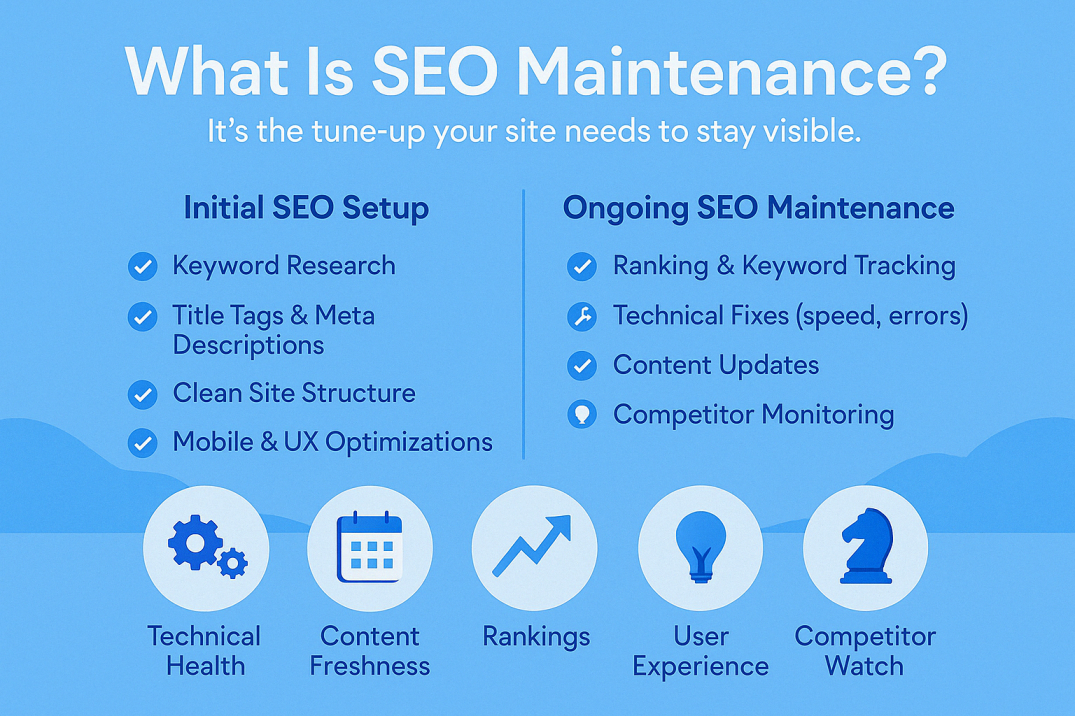
Think of SEO maintenance as the tune-up your website needs to stay healthy. SEO maintenance is not a “one-time fix.” SEO maintenance is a process of keeping your website optimized so it stays right in front of your audience.
While your initial search engine optimization (SEO) build took care of the basics, such as title tags and keyword research, SEO maintenance keeps your website from suffering from “ranking rot.” In fact, websites that perform monthly SEO tasks see significantly more stable traffic than those that ignore their site for months at a time.
The Maintenance Checklist: What’s Under the Hood?
As a regular user of SEO, you are concerned about five main aspects:
- Technical Health: Are your pages loading quickly, or are they slow? Are there new broken links that appeared after a recent plugin update?
- Content Freshness: Are your blog posts still accurate? Google loves “freshness,” and a single update to an outdated blog post can yield a double-digit increase in clicks.
- Keyword & Ranking Tracking: Are you rising to the top spot, or are you being beaten by a competitor?
- UX (User Experience): Is your site still user-friendly on the latest iPhone or Android devices?
- Competitor Tracking: What are other people in your niche doing to steal your traffic?
Setup vs. Maintenance: What’s the Difference?
I always try to describe it to my clients in this way: The initial SEO setup is essentially building a solid foundation for a home. The ongoing SEO maintenance ensures that the foundation does not develop cracks and that the paint does not peel off after a certain number of years.
Lacking a solid SEO maintenance strategy, a website’s pages will inevitably move downwards in search results. And let’s be honest: no one wants to be stuck on page two of a search on Google. This is essentially the “witness protection program” of the internet—no one will ever find you there.
Google’s search console tools are an essential part of any solid SEO maintenance strategy. This helps you see exactly how search engine bots view your website, allowing you to identify “crawl errors” before they cause a total traffic catastrophe.
Why Ongoing SEO is Non-Negotiable
Let’s face it—SEO maintenance is not simply a “nice to have” in order to remain visible. It is the difference between a successful business and one that ceases to exist on the map. The fact is, in the world of search, if you are not moving forward, you are moving backward.
Here is why maintenance and SEO need to go hand in hand:
1. Google’s Constant “Rule Changes”
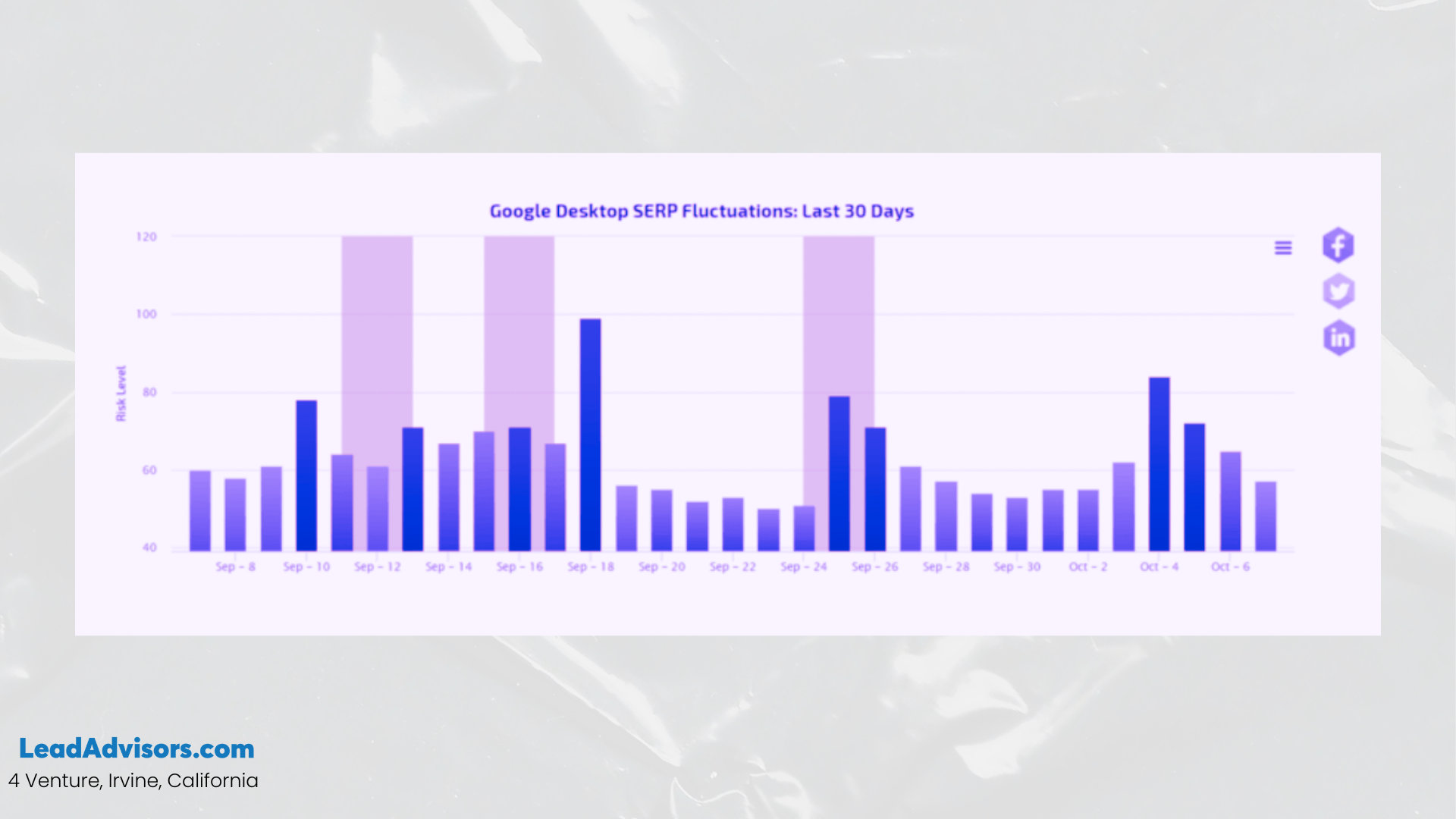
Algorithm changes occur constantly. You might wake up and find your page is ranking #1, and the next day, it’s ranking on the fourth page because of a Google core update or a new search engine algorithm favoring AI-generated content. With SEO, you’re prepared to adjust your strategy as the rules change, rather than waking up to a 50% reduction in traffic and wondering what happened.
2. The “Content Decay” Factor
However, content does not remain relevant indefinitely. Stats go stale, links die, and “user intent” evolves.
- The Reality: According to data, a high-ranking content piece can decline by a huge amount of traffic in 12 months if it is not updated.
- The Fix: A regular SEO maintenance checklist will allow you to identify this phenomenon of “content decay.” By simply editing an outdated post with a new paragraph and a stat from 2026, you are essentially telling Google that your content is still the best solution for users.
3. Your Competitors are Racing You
You might be stagnant in your online business, but you are not alone. If your competitors are using a monthly SEO maintenance strategy, they are always looking for ways to beat you in search results. If you are not doing your part in search engine optimization, you are essentially letting them get a head start on you.
4. Changing Habits (Voice & AI Search)
The way your customers search online is rapidly changing. For instance, people are now using voice search on their phones to ask AI bots for advice. Others are even using TikTok as a search engine! By doing ongoing SEO, you are ensuring that your website is compatible with these new habits, such as “long-tail keywords.”
5. Cost-Effectiveness
The importance of website maintenance for SEO can be boiled down to your bottom line. It’s far more economical to pay for an SEO maintenance package than it is to pay for a “re-optimization” of your entire website after your traffic has tanked. It’s like paying a small insurance premium to protect your most valuable asset.
Pro Tip: If you’re wondering, “Does my company need ongoing SEO maintenance?” check your traffic from six months ago. If it’s stagnant or decreasing, yet your industry’s traffic is increasing, then it’s likely time to step up your SEO maintenance.
Core Components of SEO Maintenance
To ensure your site continues to rank well, you must have a plan that includes everything. This, of course, would be the “big four” plus one for local businesses, a professional SEO plan of maintenance.
1. Technical SEO Maintenance
Think of technical SEO maintenance as the check-up for your website. Just as you wouldn’t neglect to change the oil in your car, you wouldn’t want to neglect these check-ups.
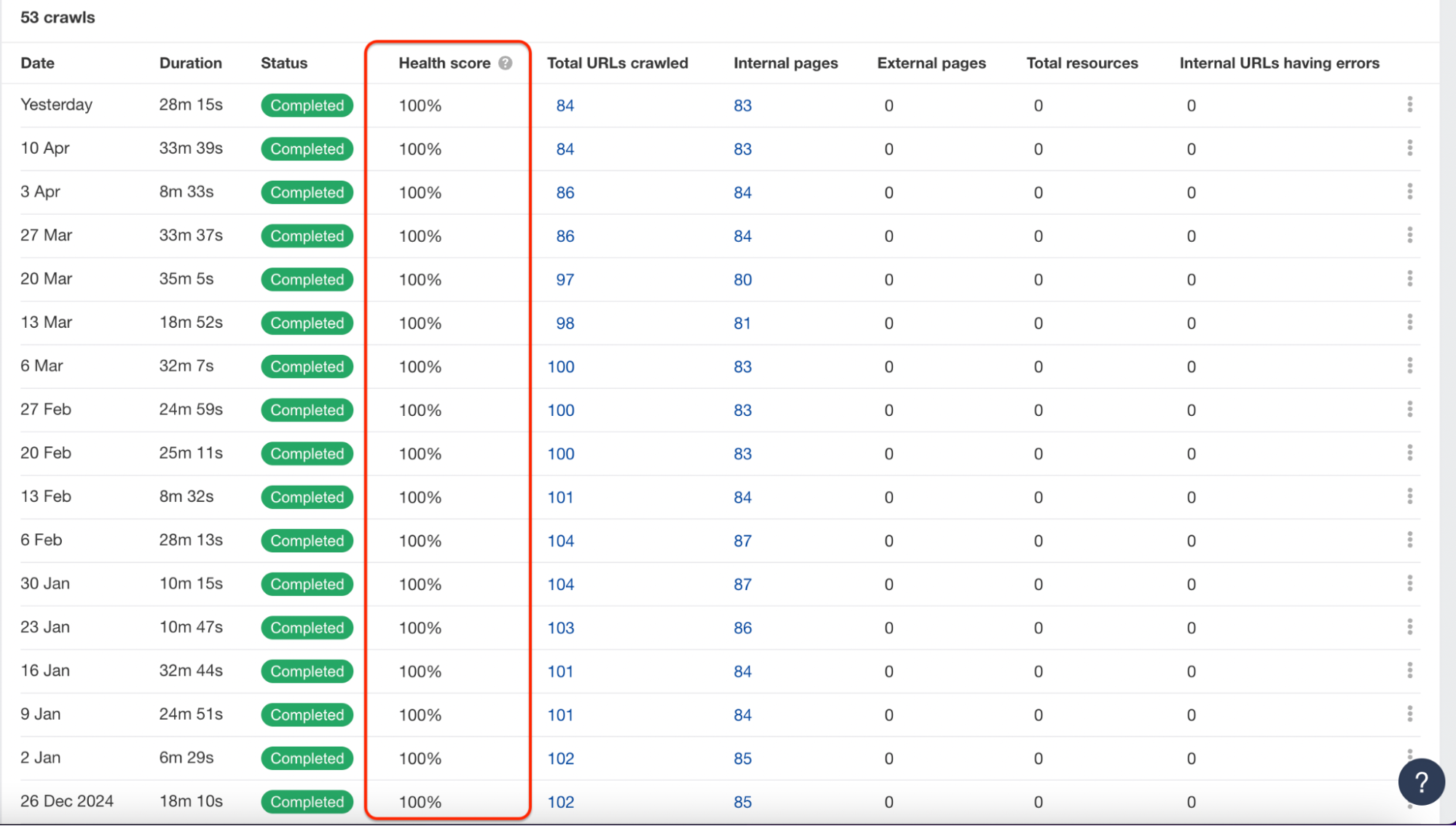
- Regular Site Audits: These checks should be performed monthly. This way, you catch problems before they get out of control. For instance, the site audits performed by LeadAdvisors always strive to achieve a 100% health score, meaning no broken links or crawl errors.
- Fixing “Pogo-Sticking” Issues: When users encounter broken links or 404 errors, they are bounced back to the search results (known as “pogo-sticking”), which tells Google that your website isn’t helpful. We use tools like Screaming Frog to solve this problem.

- Site Speed & Core Web Vitals: Google favors sites that are fast and mobile-friendly. We use PageSpeed Insights to keep your site fast, with a particular emphasis on mobile users, as they are the majority of internet users today.
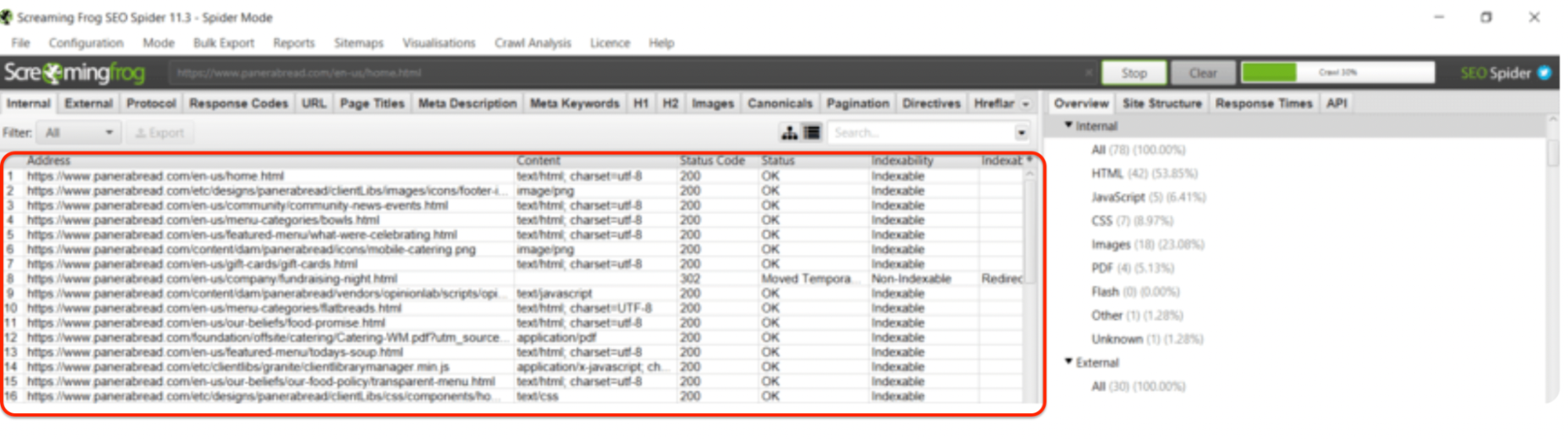
- Crawlability: We ensure your robots.txt file and XML sitemaps remain clean and easy for search engines to find your best content.
2. Content Optimization & Refresh
Your content, no matter how well it performs, doesn’t last forever. A significant portion of ongoing SEO maintenance involves refreshing your content 6 to 12 months after its initial publication.
- Update the Facts: Update your stats and fix broken links.
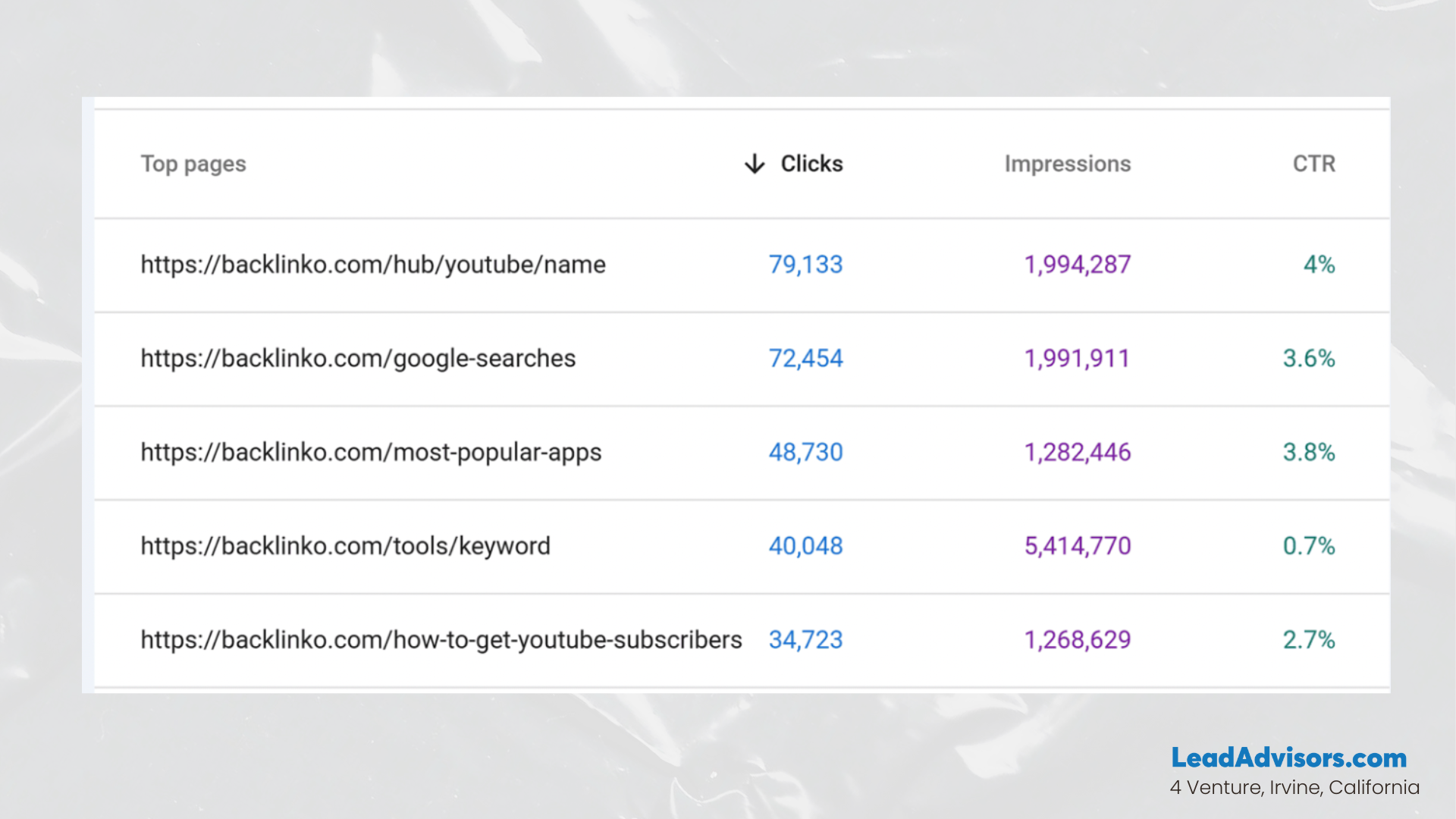
- Identify Low-Performers: Use Google’s search console to find pages with a lot of “impressions” but a low “click-through rate” (CTR). This indicates your title or description needs a refresh to make it more appealing.
- Fill the Gaps: As trends evolve, your SEO maintenance checklist should also consider creating new content that covers topics your competitors may have missed.
3. On-Page SEO Checks
On-page SEO helps ensure that every webpage is working for you, not against you.
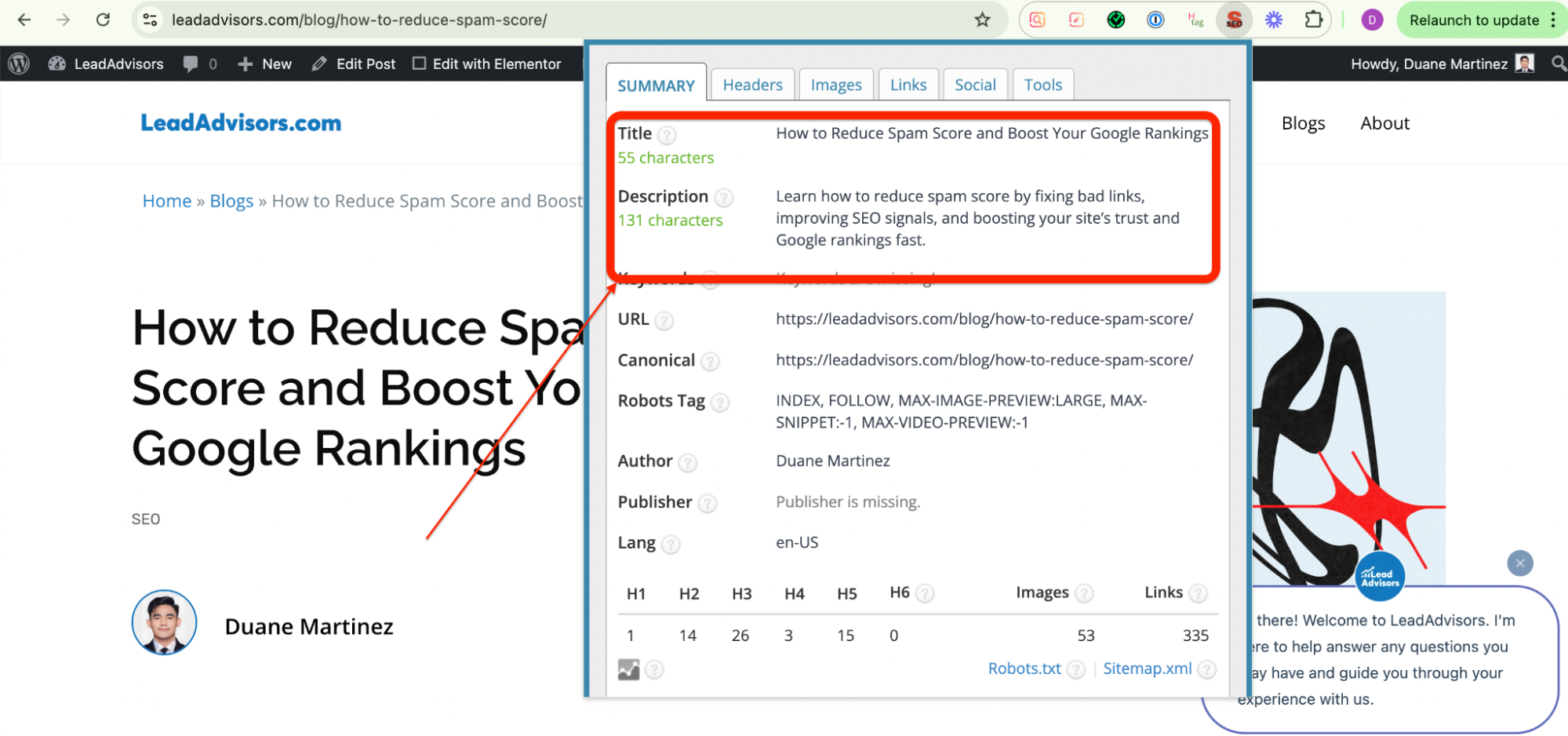
- Meta Titles & Descriptions: Keep your title under 60 characters and your description under 150. This helps prevent Google from cutting off your message in the search results.
- H1 Tags: This is your page’s “headline handshake.” This section should clearly state what your page is about, using your primary keyword.

- Internal Links: These links encourage visitors to explore other useful content on your website. Avoid using generic “click here” links. Use text to tell the visitor what they’re clicking on.
4. Keyword & Performance Tracking
These figures are akin to your dashboard. They help you know whether you’re flying high or about to crash.
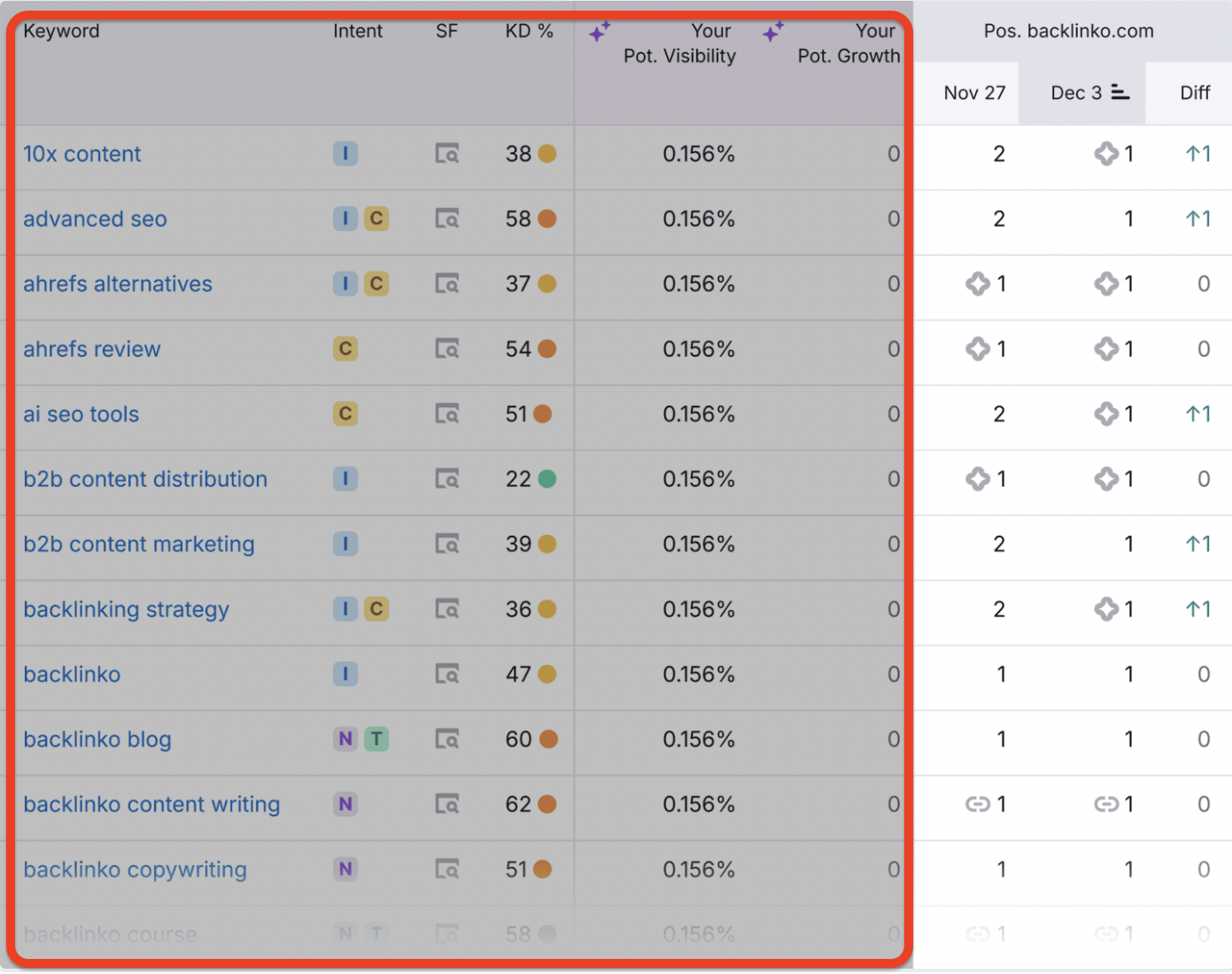
- Keyword Rankings: We use tools such as Semrush to get an idea of exactly where you are ranking. If you notice that your rankings have dropped, that’s a sign that your competitor updated their content.
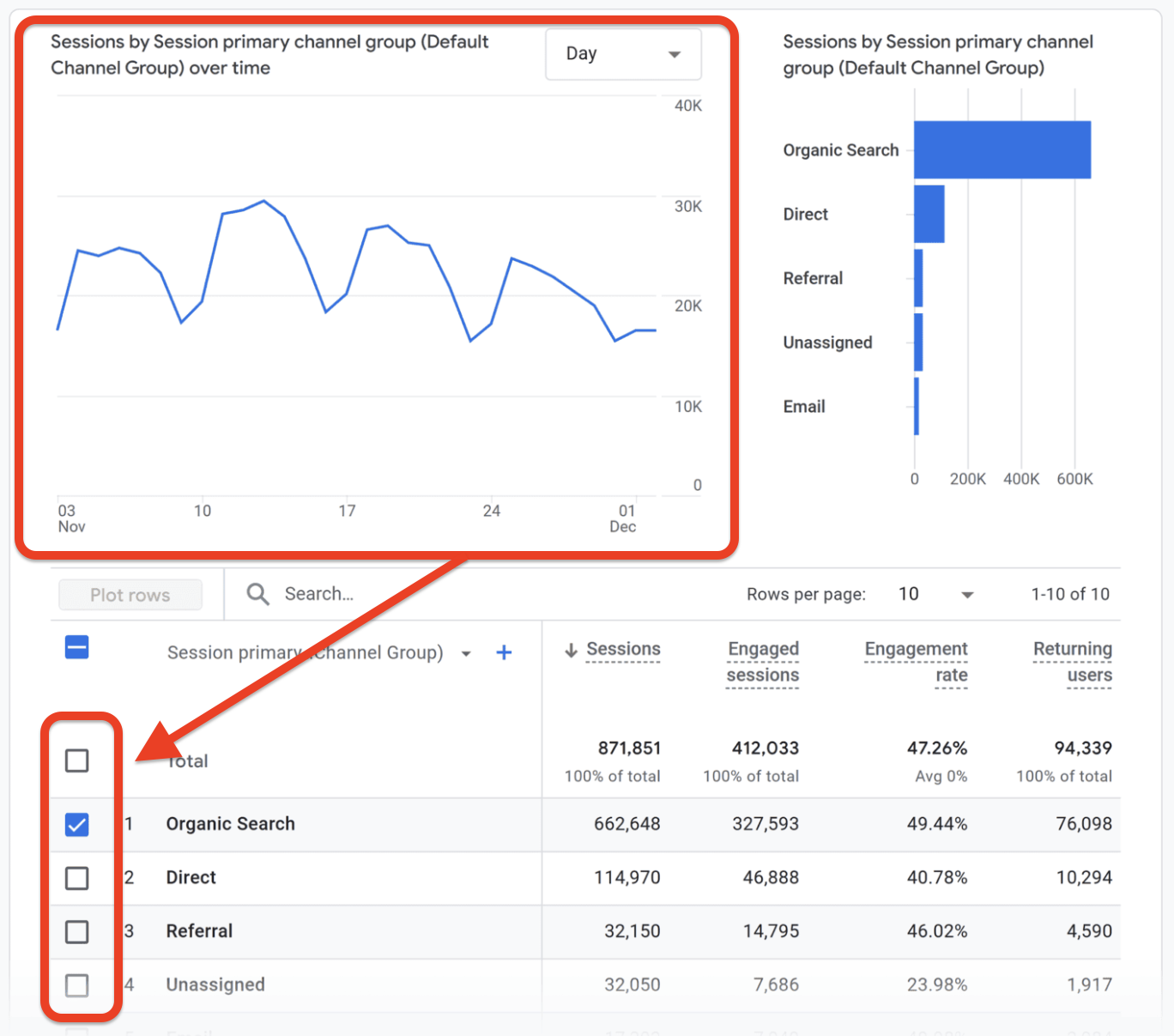
- Organic Search Traffic: Using Google Analytics (GA4), we measure how many people find you organically. While your rankings are steady, a drop in traffic could be a sign that you need to shift your strategy to match the latest user behavior.
5. Local SEO Maintenance (if applicable)
If you are a local business, like a law firm or a medical clinic, then local SEO is your lifeblood. It’s an important part of website SEO maintenance in Philadelphia and other local markets.
Task | Why It Matters |
NAP Consistency | Keeps your Name, Address, and Phone number identical across the web. |
Google Business Profile | Regular updates with fresh photos and hours boost local trust. |
Review Management | Responding to reviews shows Google you are an active, reliable business. |
Local Pack Visibility | Keeps you in the coveted “Top 3” map results. |
How Often Should You Perform SEO Maintenance?
SEO isn’t a “set it and forget it” kind of thing. It’s a process. You should think of it like going to the gym or getting an oil change for your car. Some daily SEO activities are like going to the gym, while others are like getting an oil change.
Based on industry standards, here’s a guide on how to schedule your daily SEO maintenance:
Daily
You should set aside 10-15 minutes a day to check your dashboard. You are trying to spot major “red flags” such as a traffic drop or site downtime.
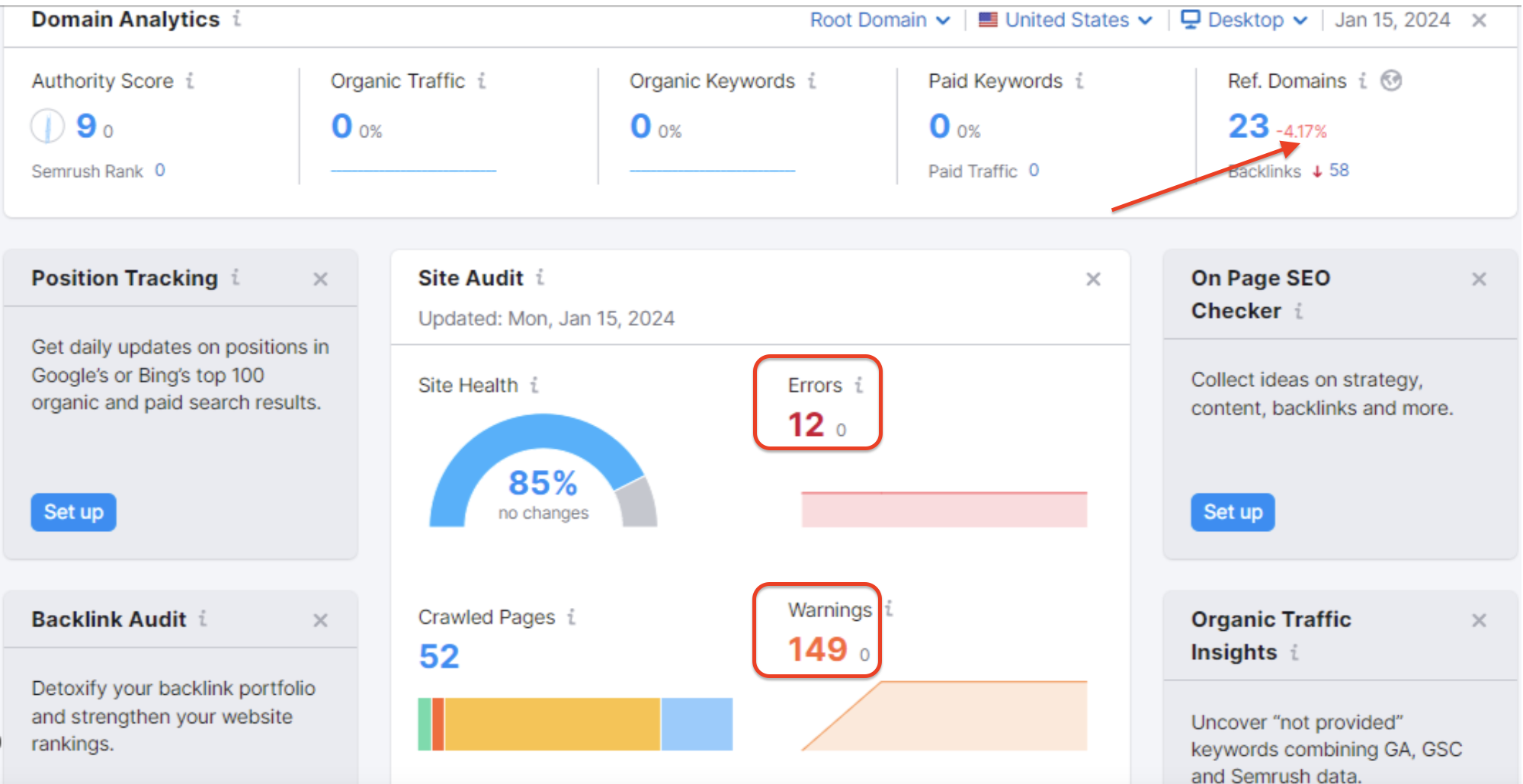
- The Goal: Catch errors before they snowball.
- Experience Tip: I once saw a site lose its #1 ranking overnight because of a coding error that “hid” the page from Google. A quick daily check would have saved them thousands of dollars in sales.
Weekly
Weekly maintenance is about fixing the small leaks. Use tools like Semrush or Ahrefs to run a mini-audit.
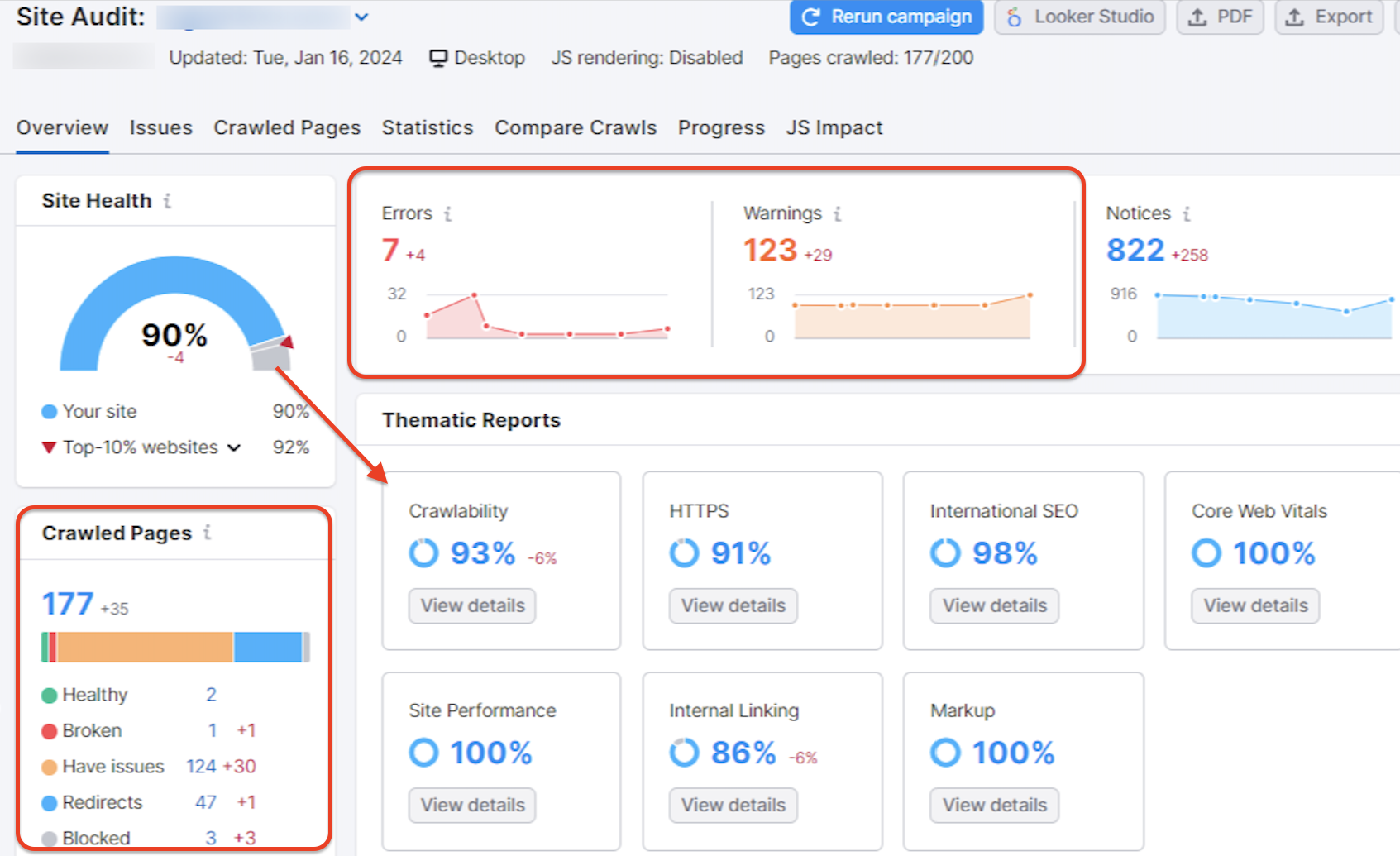
- What to do: Fix new broken links, review “crawl errors,” and check your site speed.
- The Stat: If your “site health” score decreases even by 5%, that means technical problems are building up. Weekly fixes are essential to keep your maintenance SEO on track.
Monthly
This is where monthly SEO maintenance gets exciting. Instead of just fixing bugs, you’re considering the big picture.
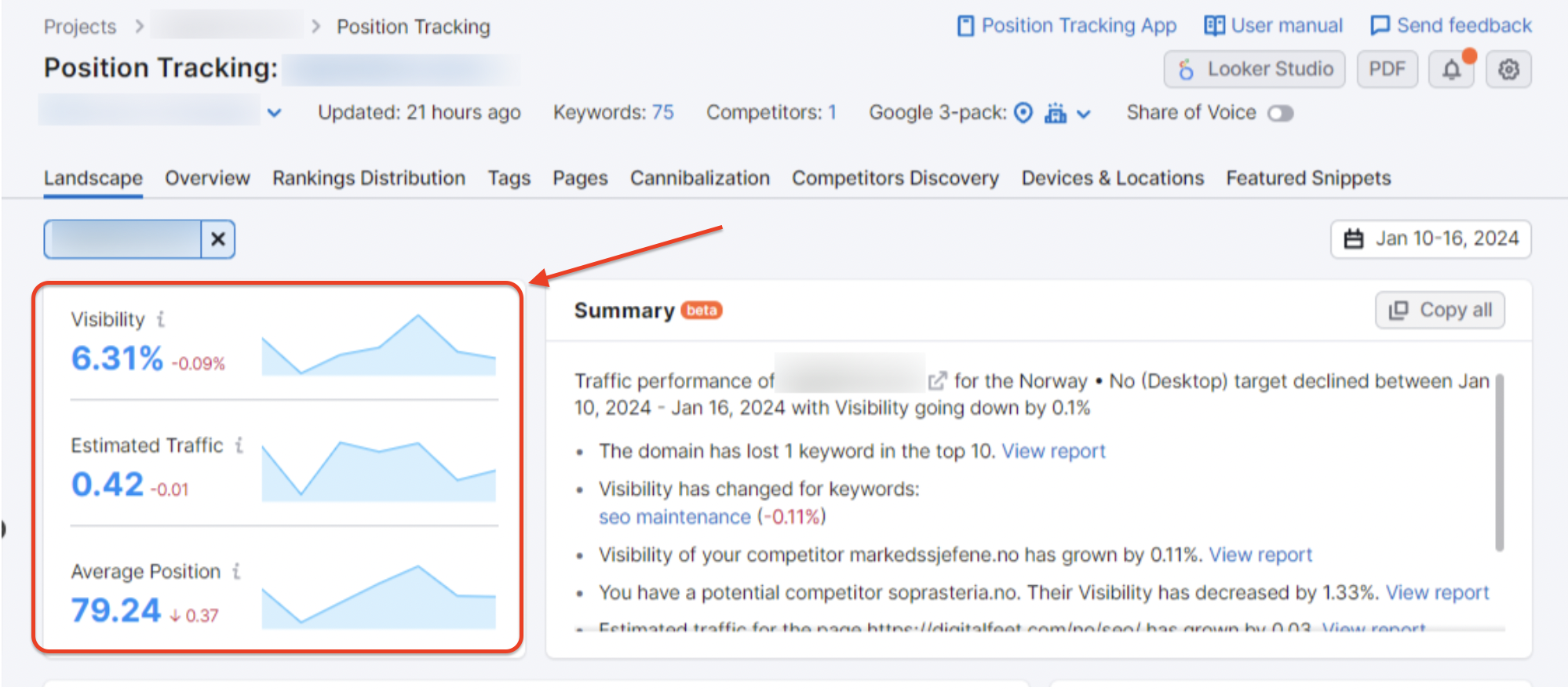
- Analyze Trends: Is your average position declining? Have you fallen out of a particular keyword’s top 10?
- Recalibrate: If a particular blog post is losing steam, mark it for a refresh. This SEO monthly maintenance plan connects your data to real-world actions.
Quarterly Check
Once every three months, it’s time to take a step back and look for growth. This is not cleaning up, but strategic tuning.
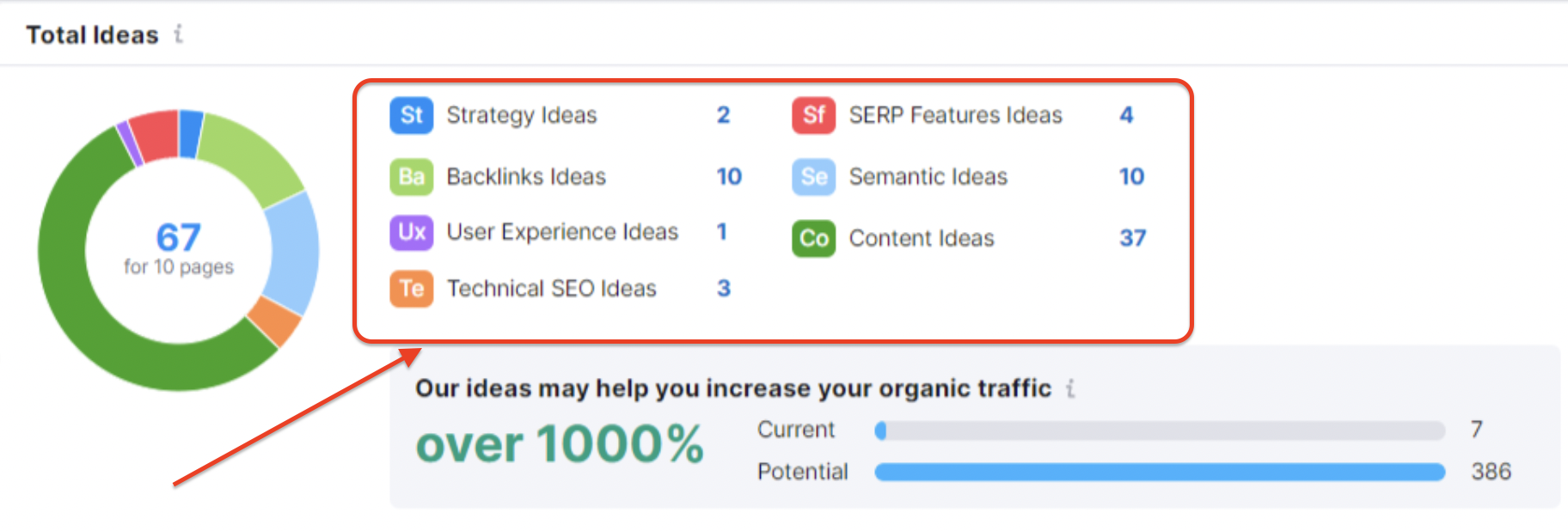
- Content Expansion: Performing a deep dive on your content once every three months could yield “semantic improvements” that could increase your organic traffic by over 1,000%.
- Link Building: Check your backlinks and look for opportunities to build your “Domain Authority.”
Yearly Check
Perform a complete “house cleaning” once a year.
- Content Audit: Determine which content to keep, which to update, and which to “prune” (delete).
- Trend Alignment: Will your 2025 strategy still work in 2026? A yearly SEO maintenance checklist will prevent you from becoming obsolete with advancing search technologies.
Schedule | Focus | Key Tool |
Daily | Monitoring & Alerts | Google Search Console |
Weekly | Technical Fixes | Screaming Frog / Semrush |
Monthly | Performance & Strategy | Google Analytics 4 |
Quarterly | Growth & Optimization | Ahrefs / Content Audits |
Should SEO Be a Monthly Service?
Short answer: Absolutely. If you’re asking yourself, “Does my company really need ongoing SEO maintenance?” think about it this way: “SEO is not something you finish; it’s something you defend.”
The search engines are changing their rules all the time, new competitors are entering the market every week, and what worked six months ago might not even get a second glance today.
By spending money on monthly SEO maintenance, you’re not just “fixing things”; you’re building momentum.
What a Monthly Cadence Gets You
When you commit to a professional SEO maintenance package, you’re getting a team that remains proactive, so you don’t have to remain reactive. This includes:
- Algorithm Protection: Keeping one step ahead of Google’s many “Core Updates,” which they deploy regularly.
- Ranking Defense: Monitoring your keywords every day and adjusting your strategy if a competitor tries to pass you.
- Freshness Boosts: Continuously updating your content to signal to Google that your site is still the most relevant source.
- Technical Hygiene: Continuously cleaning up “code bloat” and 404s that slow your site.
The Math: Cost vs. ROI
One of the largest concerns for business owners is the cost of SEO maintenance. The truth, however, is that the cost of doing nothing is far higher.
Your Investment | The Long-Term Payoff |
Monthly SEO service fee | Sustainable growth in organic traffic and “free” leads. |
Consistent Content & Tech Updates | Higher domain authority and a better user experience. |
Proactive Problem Solving | Avoids devastating Google penalties that can cost 10x more to fix later. |
Bottom line: The truth is that what you put in on an SEO monthly maintenance plan is like an insurance policy for your traffic. It is far, far cheaper to stay at the top than it is to try and climb back up after a total ranking disaster.