
Have you ever Googled a new specialist and wondered why some clinics pop up instantly while others are buried on page five? That isn’t luck—it’s the result of a strategic healthcare SEO plan.
In the world of medical search engine optimization, you aren’t just selling a product; you’re building a bridge of trust. When someone searches for “best cardiologist near me,” they’re looking for expertise and reassurance. If your website isn’t there to greet them, you’re missing the chance to help a patient in need.
What is Healthcare SEO? Healthcare SEO is the process of optimizing a medical website to increase visibility in search engine results for patient-related queries. By focusing on technical health, local search signals, and high-trust content (E-E-A-T), providers can attract organic traffic and convert searchers into patients without relying on expensive ad spend.

Core Strategies for Healthcare SEO Success
Getting your website to rank isn’t just about stuffing it with keywords—it’s about building a smart, patient-first healthcare SEO strategy that actually works. Whether you’re running a small private clinic or managing marketing for one of the larger SEO for healthcare companies, the right approach to search engine optimization makes all the difference.
The Three Pillars of SEO: On-Page, Off-Page & Technical SEO
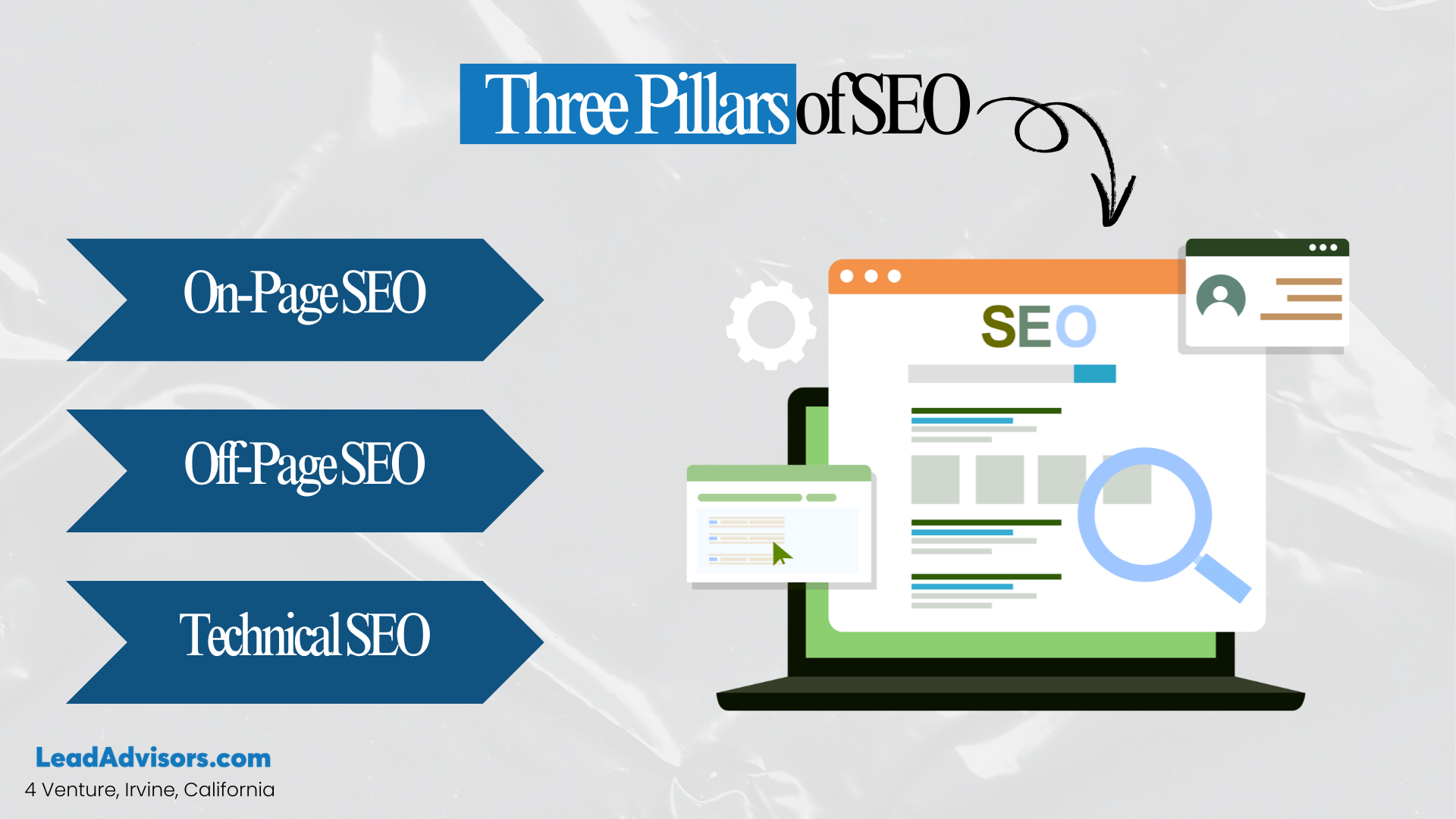
When we talk about SEO in healthcare, we’re really talking about three main building blocks. These work together to boost your site’s visibility, traffic, and trust online.
| SEO Pillar | What It Means for You | Why It Matters |
| On-Page SEO | Optimizing healthcare SEO keywords, service pages, and meta tags. | Helps search engines understand your specific healthcare medical SEO services. |
| Off-Page SEO | Building backlinks from medical journals and high-authority health directories. | Establishes you as a trusted healthcare SEO expert in your field. |
| Technical SEO | Improving page speed, site architecture, and HIPAA-compliant security. | Ensures your healthcare website SEO is functional, fast, and secure. |
Aligning SEO with Your Healthcare Business Goals
A cookie-cutter plan won’t cut it. You need a strategy that actually supports your specific goals—whether that’s filling your schedule or expanding your reach. Here is how you can tailor your approach:
- Attracting Local Patients: If you want to dominate your immediate area, you need to double down on healthcare local SEO. This involves optimizing your Google Business Profile and managing your reputation to ensure you appear in the “Local Pack.”
- Expanding Specialties: Adding a new wing to your practice? You’ll need deep-dive content. I’ve found that creating “Topic Clusters“—where one main pillar page links to detailed sub-pages like SEO for physiotherapists or SEO for surgeons—tells Google you have massive topical authority.
- Scaling Brand Awareness: If you’re managing a larger network, you might want to partner with a reputable healthcare SEO agency or medical SEO specialists who understand the high-stakes world of SEO for healthcare marketing.
Optimizing for Patient Experience & Conversion
Traffic is great, but conversions? That’s where the magic happens. You want site visitors to become actual patients, and that requires a seamless, trustworthy experience.
Key Takeaway: The best medical SEO marketing doesn’t just drive clicks; it guides people through a trustworthy journey that ends with a scheduled appointment.
To boost your conversions, focus on:
- Smooth Navigation: Patients should find your locations, hours, and contact info in two clicks or less.
- Strong Calls-to-Action (CTAs): Make “Book Now” or “Patient Portal” buttons stand out.
- Mobile-First Design: Most people search for doctors on their phones. If your SEO for a healthcare website isn’t mobile-friendly, you’re losing patients to the clinic down the street.
Empathy-Driven Copy: Write for humans. Use friendly, helpful language. As a healthcare SEO consultant, I always remind my friends: in this industry, you’re not just ranking a site; you’re helping someone find care.
Local SEO: How to Dominate Local Search Results
Let’s be real—when you’re hurting or sick, you aren’t searching for a “general healthcare provider.” You’re typing in phrases like “urgent care near me” or “best dentist in Seattle.” That’s why healthcare local SEO is a total game-changer for your practice.
If you want to appear in the “Map Pack” (those top three local results), you need a strategy that proves to Google you are the best local option.
Google Business Profile: Your Digital Front Door
The easiest win for local seo for healthcare is claiming your Google Business Profile (GBP). This is the box that displays your map location, hours, and reviews. When I worked with a local healthcare SEO agency in Chicago, we found that complete profiles get significantly more calls than those with missing info.
To make your profile work harder, you should:
- Audit your NAP: Ensure your Name, Address, and Phone number are identical across the web (Yelp, Healthgrades, etc.).
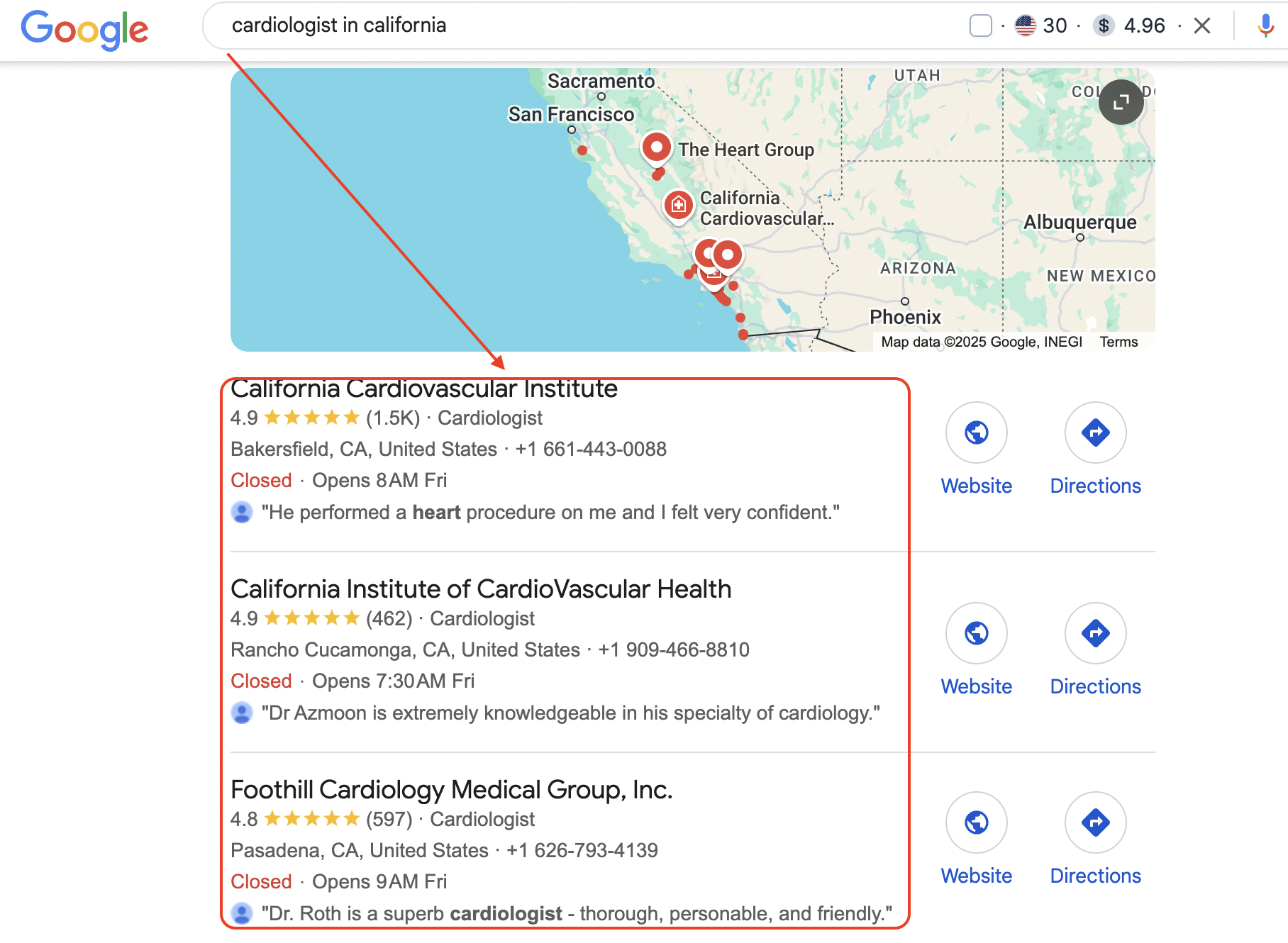
- Pick the Right Category: Don’t just settle for “Doctor.” Be specific, like “Orthopedic Surgeon” or “Pediatrician.”
- Show, Don’t Just Tell: Upload real photos of your office and staff. Patients feel much more comfortable when they can see your waiting room before they arrive.
- Use Local Posts: Use the GBP “Posts” feature to share updates on flu shots or new healthcare SEO services you’ve added.
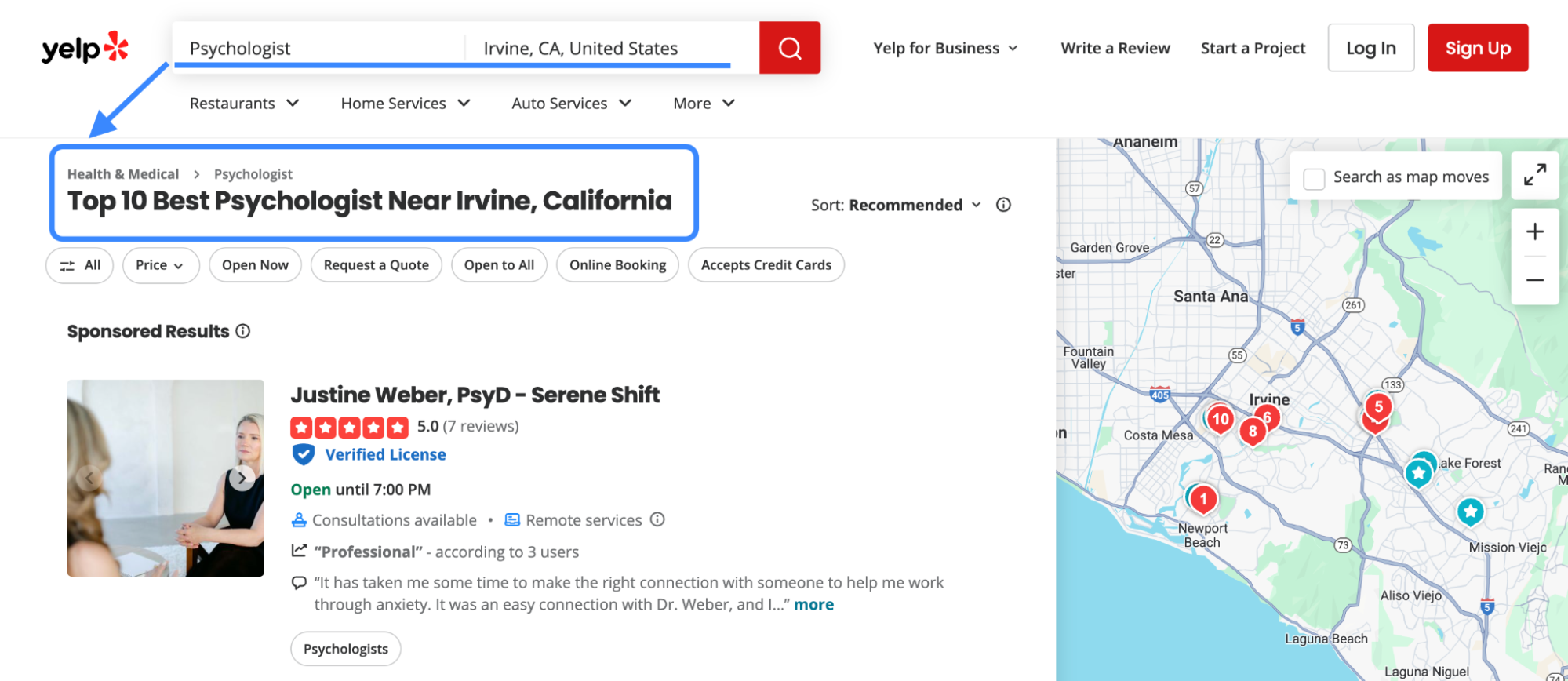
Leveraging Patient Reviews & Reputation Management
In medical SEO marketing, reviews are more than just “nice to have”—they are a ranking signal. A high volume of positive reviews tells Google’s SEO machine learning model that you are a trusted authority.
Pro Tip: Don’t just collect reviews; respond to them! Whether it’s a 5-star compliment or a 1-star complaint, a professional and empathetic response proves you care about the patient experience. Just remember to stay HIPAA-compliant—never confirm a patient’s specific medical details in a public reply.
Building Local Landing Pages for Multiple Locations
If you have more than one clinic, don’t just dump all your addresses on one page. To really win at local SEO for doctors, give each location its own dedicated landing page.
| Feature | Why It Matters for Local SEO |
| Geo-Specific Keywords | Using “Dermatologist in Pasadena” helps you rank for that specific city. |
| Individual Map Embeds | Helps Google associate your website with a specific physical coordinate. |
| Unique Staff Bios | Proves that the experts at this location are qualified and experienced. |
Using Geo-Specific Keywords to Attract Local Patients
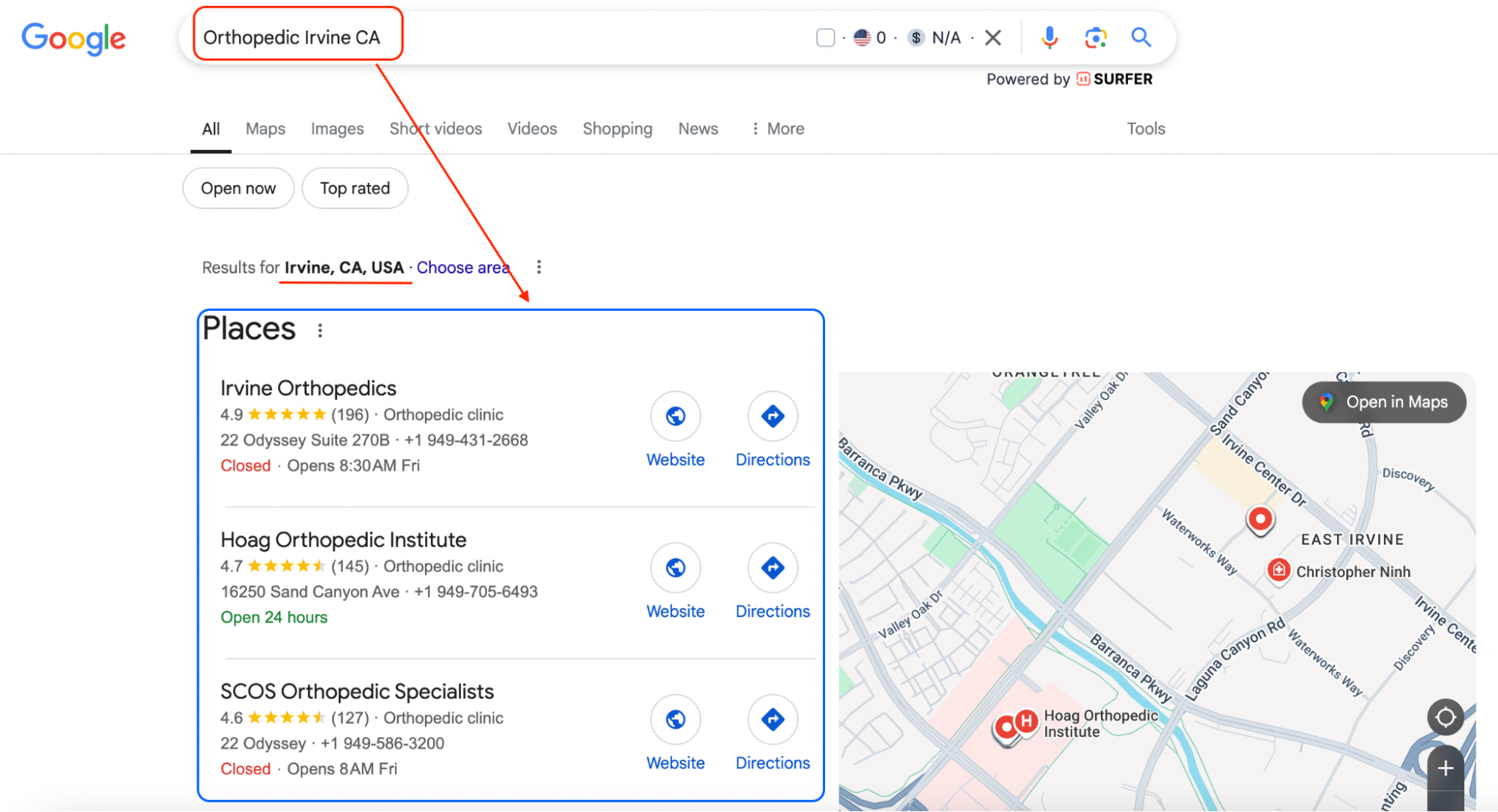
Finally, make sure your site speaks the local language. Integrate health care keywords that include your city, neighborhood, or even your zip code.
Try phrases like:
- “Pediatric urgent care in [City]”
- “Walk-in clinic near [Neighborhood]”
- “Flu shot in [Zip Code]”
Whether you’re working with a healthcare SEO expert or handling it yourself, these small local tweaks are what move you from page five to the top of the local pack.
Keyword Research for Healthcare Websites
Let’s be real—ranking on search engines starts with using the right words. And not just any words, but the exact healthcare seo keywords your future patients are typing into Google while sitting on their couch at 10:00 PM.
Keyword research is one of the most underrated power moves in medical seo. If you get this right, you aren’t just getting “traffic”—you’re getting the right patients.
Understanding Patient Search Intent: Informational, Navigational, Transactional
Before you even touch a keyword tool, you need to think like a patient. Why are they searching? In the SEO for the healthcare industry, we break this down into three categories:
- Informational: “Why is my shoulder clicking?” (The patient is looking for answers.)
- Navigational: “Mercy Hospital patient portal” (The patient is looking for a specific place).
- Transactional: “Book cardiologist appointment near me” (The patient is ready to see a doctor).
A strong healthcare SEO strategy targets all three. You build trust with informational blogs, then guide them to your transactional service pages to book an appointment.
Long-Tail vs. Short-Tail Keywords for Healthcare SEO
It’s tempting to want to rank for “doctor” or “dentist,” but those are broad, “short-tail” terms. They have high volume, but they are incredibly hard to rank for.
Instead, focus on long-tail keywords. These are specific phrases like “affordable dermatologist for acne in Pasadena.” They get fewer searches, but the people searching for them are ready to take action. In my experience as a healthcare SEO consultant, long-tail keywords almost always have a higher conversion rate for private practices.
Finding Low-Competition Keywords to Outrank Major Competitors
You don’t have to go head-to-head with massive medical centers on every term. You can outrank them by finding low-competition, high-intent keywords.
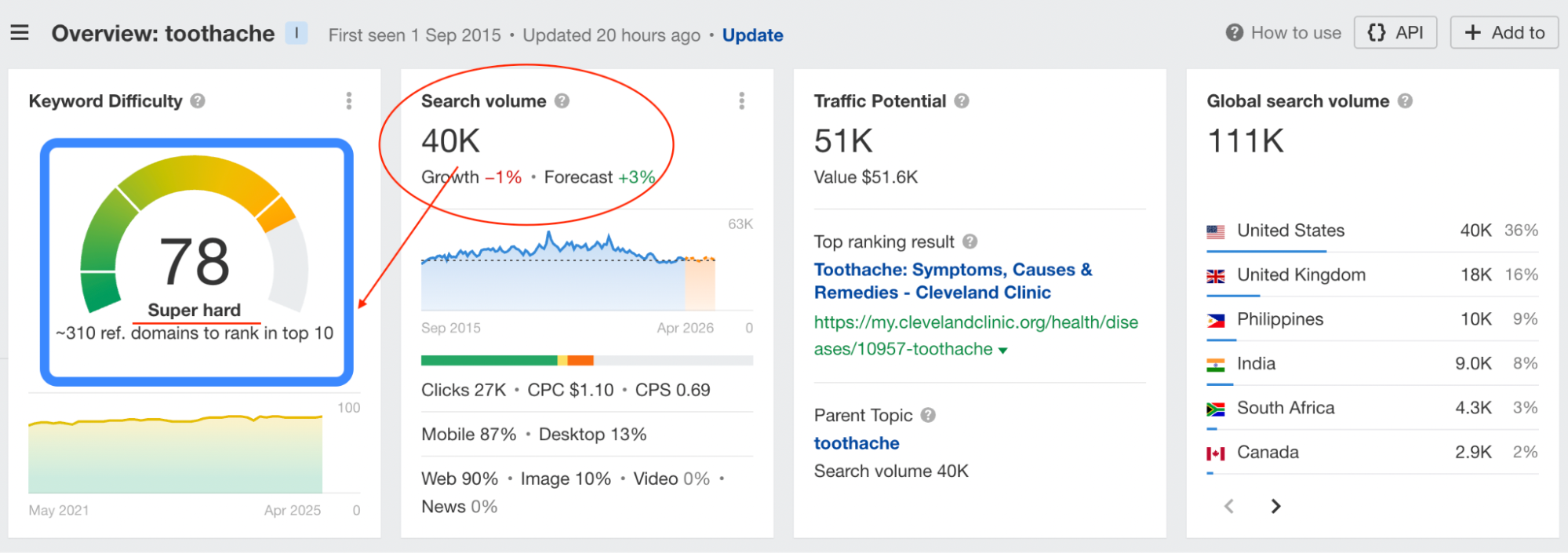
Case Study: The “Toothache” Problem The keyword “toothache” has a difficulty score of 78/100 (Super Hard). You’d need hundreds of backlinks to rank for it. However, if you use a tool like Ahrefs and filter for a difficulty under 40, you might find “how to sleep with a toothache” or “emergency dentist for broken crown.” These are much easier to rank for and still bring in patients who need immediate help.
This is exactly where a healthcare SEO agency or specialized medical SEO specialists provide the most value—they find the “hidden gems” your competitors are missing.
SEO Tools for Keyword Research
You don’t have to guess what patients want. Use these tools to get the data:
| Tool | What’s Best For |
| Google Keyword Planner | Finding basic search volume and healthcare keywords. |
| Ahrefs / SEMrush | Deep dives into healthcare SEO companies‘ strategies and keyword difficulty. |
| AnswerThePublic | Finding the exact questions patients are asking online. |
Using Question-Based Keywords & Voice Search Optimization
People talk to their phones differently than they type. To win at SEO for healthcare providers, you need to optimize for voice search. Start adding FAQ sections to your pages that answer natural, conversational questions like:
- “Where can I get a walk-in flu shot today?”
- “How long does pink eye usually last?”
- “Who should I see for chronic lower back pain?”
Using these question-based phrases naturally in your healthcare website SEO helps you snag those coveted “Featured Snippets” at the very top of the page.
Content Marketing & Medical SEO: Creating Patient-Centric Content
When it comes to healthcare SEO, content isn’t just king—it’s the entire kingdom. Your patients are looking for answers, guidance, and a little bit of reassurance. Your content is what builds that trust long before they ever step into your exam room.
But here is the catch: in the SEO for the healthcare industry, you have to balance being easy to understand with being medically bulletproof.
Google’s E-E-A-T: What It Means for Healthcare Sites
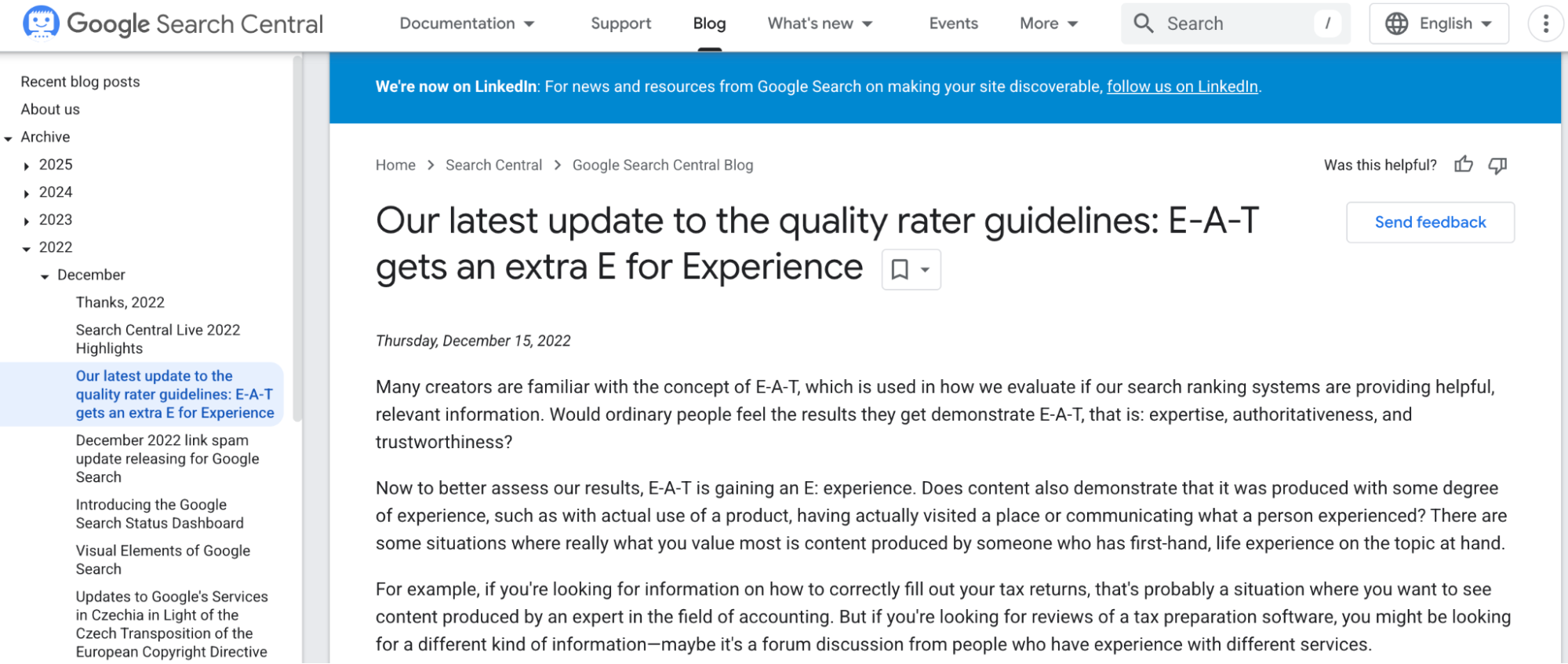
Google treats medical info differently. Because it’s YMYL (Your Money or Your Life) content, the search engine uses a high-standard framework called E-E-A-T:
- Experience: Do you show first-hand knowledge of treating this condition?
- Expertise: Are you a licensed professional in this field?
- Authoritativeness: Do other healthcare SEO experts or medical journals link to your work?
- Trustworthiness: Is your site secure, and is your advice backed by medical consensus?
For SEO for healthcare providers, proving these four things is non-negotiable. If you want to rank, you can’t just have a healthcare SEO writer spin up a post; it needs to be grounded in clinical reality.
How to Structure Content for Healthcare Websites
A clean structure isn’t just a “pro tip”—it’s how you keep both humans and search bots happy. Here is a quick checklist for your next page:
- Logical Hierarchy: Use H1, H2, and H3 tags to break up the “wall of text.”
- Internal Linking: Link your blog posts to your healthcare SEO services pages. If you’re talking about knee pain, link to your Orthopedic Surgery page.
- Clear CTAs: Don’t leave them hanging. Every page needs a “Book an Appointment” or “Call Our Clinic” button.
- Author Bios: Every medical article should have a short bio of the clinician who wrote or reviewed it, including their NPI number or credentials.
Optimizing Blog Content for Featured Snippets & FAQs
You know that little box at the top of Google that answers your question instantly? That’s a featured snippet. To get your medical SEO marketing content there, use a Q&A format:
Q: What are the early signs of a migraine?
A: Early signs often include light sensitivity, nausea, and “aura” or visual disturbances.
Using bulleted lists and FAQ sections at the bottom of your posts is a great way to show up for voice search queries and snippets.
Content Types That Drive Traffic & Engagement
Not all content is created equal. To see real ROI from your healthcare marketing and SEO, try these formats:
| Content Type | Best For… |
| Evergreen Guides | Explaining chronic conditions like diabetes or heart health. |
| Patient Education | Answering the “scary” questions patients are too shy to ask in person. |
| Case Studies | Showing real-world results (while staying HIPAA-compliant, of course). |
| Video Explainers | Breaking down complex surgeries or treatments for SEO for healthcare services. |
Medically Reviewed Content: Best Practices & Compliance
If you’re giving medical advice, it must be accurate. Google’s SEO machine learning model for healthcare is getting incredibly good at spotting misinformation.
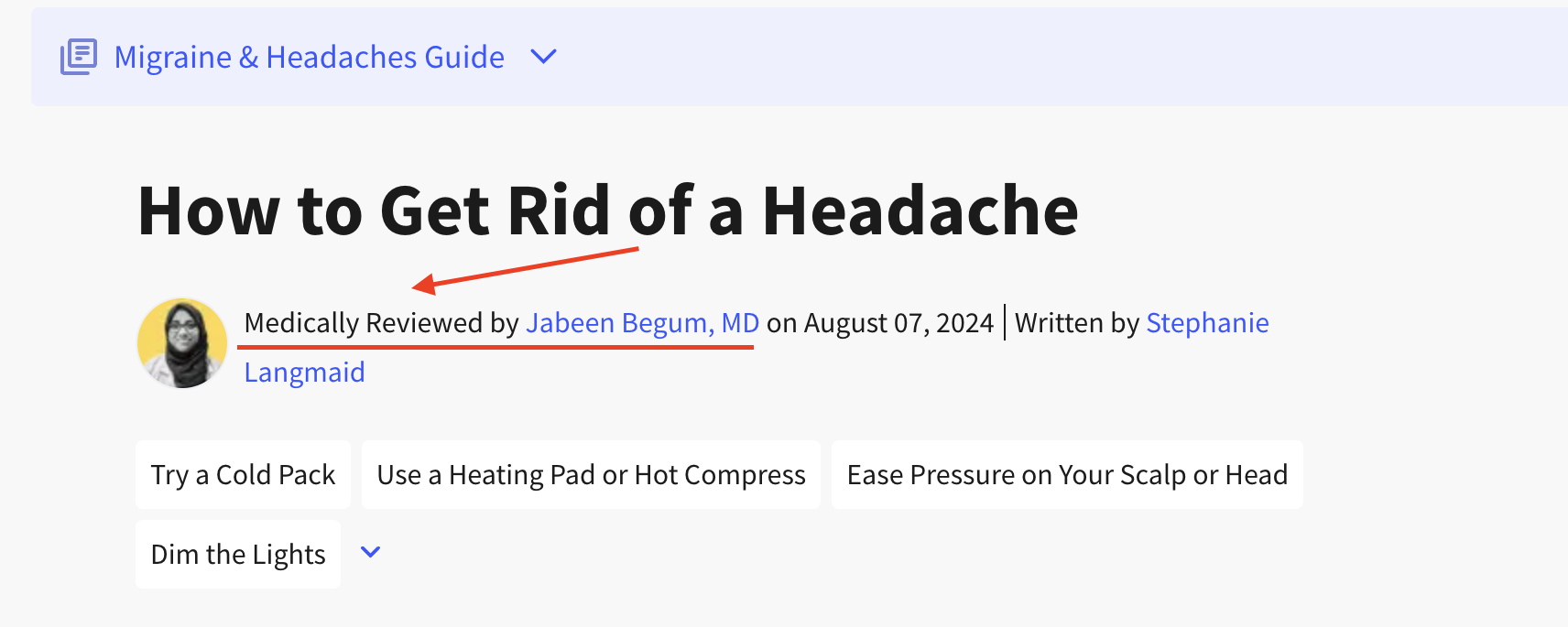
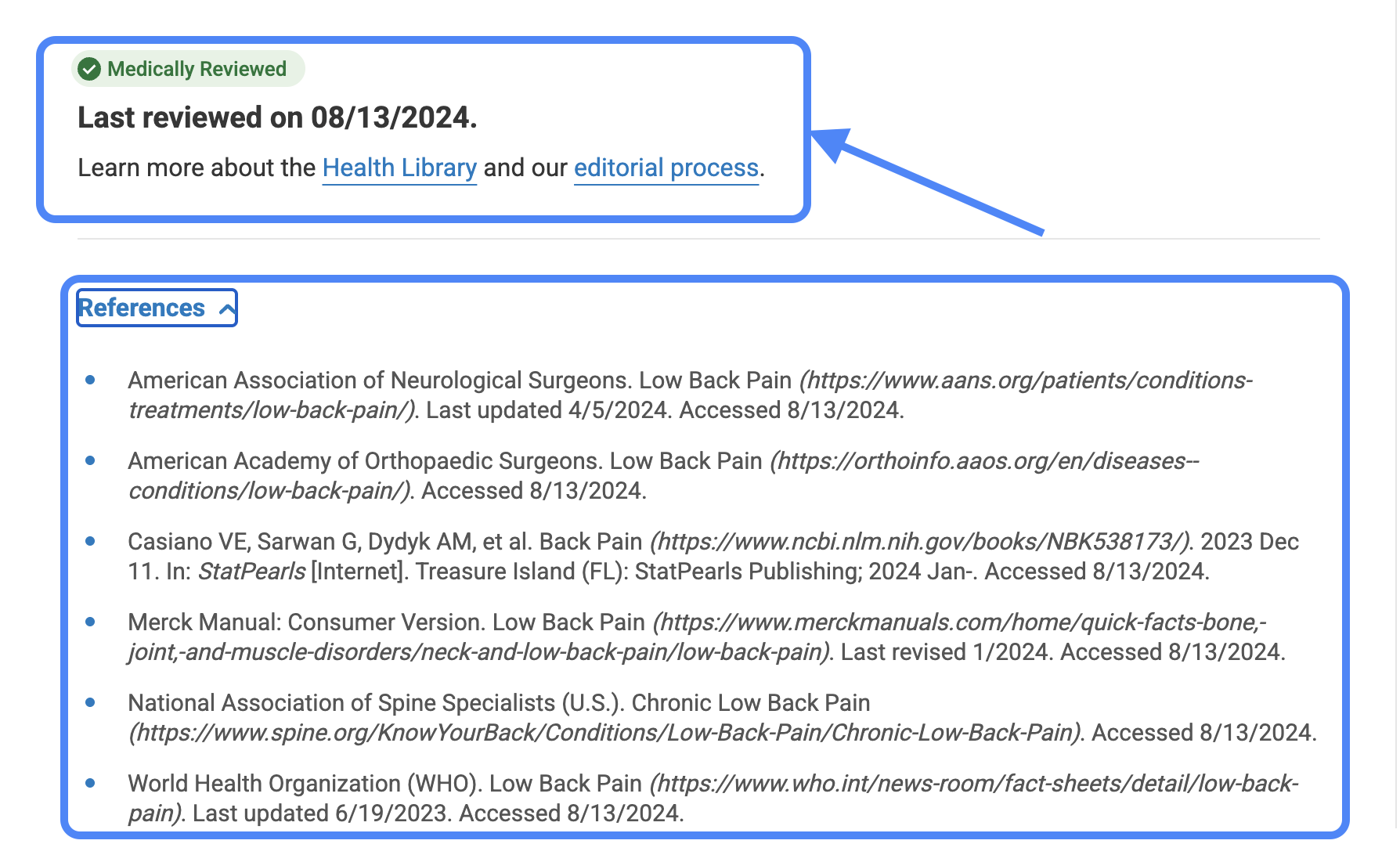
To stay on the safe side, always add a “Medically Reviewed by [Name]” badge with a date stamp. This proves your content is fresh and vetted. If this feels like too much to manage, many healthcare SEO companies offer specialized medical editing to ensure you stay on the right side of the algorithm.
Creating trustworthy content is more than just a marketing play—it’s how you establish yourself as the go-to authority in your community.
Technical SEO for Medical Websites

You could have the most insightful blog posts and the perfect healthcare SEO keywords, but if your site loads like it’s stuck in 2008 or scares patients off with security warnings, none of it matters. Technical SEO is the digital “plumbing” that ensures your site works perfectly for both your patients and Google’s bots.
Think of it this way: if your content is the doctor’s expertise, technical SEO is the clinic being clean, easy to find, and having doors that actually open.
Speed & Mobile Optimization: Your First Impression
Nobody waits for a slow website—especially not someone trying to book a same-day appointment for an injury. Your pages should load in under 3 seconds. In healthcare marketing SEO, this is the digital equivalent of a well-organized waiting room.
Since most patients search for care on their phones, a “mobile-first” approach is mandatory. If your SEO for a healthcare website is clunky on a smartphone, you’re essentially closing your doors to over 60% of your potential patients.
Schema Markup: Speak Google’s Language
Think of schema markup as “digital labels.” It’s a specific code you add to your site that tells Google exactly what it’s looking at. For SEO for healthcare providers, this is how you get those fancy “Rich Results” in the search listings.
| Without Schema | With Schema |
| A plain, text-only search result. | An enhanced listing showing star ratings, office hours, and services. |
| Vague context for Google’s bots. | Clear data identifying the healthcare SEO expert, clinic location, and NPI. |
By using MedicalBusiness or the Physician schema, you make your site much more clickable than a standard link.
Security & Compliance: More Than Just a Lock Icon
Trust is everything in medical seo. Google won’t rank a site it deems “unsafe,” which is why HTTPS encryption is non-negotiable.
But for you, security goes deeper. If your site collects any patient data—even through a simple “Contact Us” form—you need to ensure your backend is HIPAA-compliant. A secure, compliant site is the foundation of any successful healthcare seo strategy.
Crawling & Indexing: Help Google Find (and Trust) Your Pages
Google needs to be able to “read” your site to rank it. A messy site structure makes that impossible.
- Sitemaps: Always submit an updated XML sitemap to Google Search Console.
- Topic Clusters: Group your services logically (e.g., all “Surgery” services under one folder).
- Internal Linking: Use links to connect your blog posts to your medical SEO services pages.
Expert Tip: “If Google can’t find your page, your patients can’t either.” Regular check-ups on your “Crawl Report” in Search Console can help you find and fix errors before they hurt your traffic.
Clean Up the Errors
Broken links (404 errors) and messy redirects are frustrating for patients and look unprofessional to search engines. Regular site audits—the kind performed by a top healthcare SEO agency—will catch these issues early. Even small fixes to your technical health can lead to a noticeable jump in your medical search engine optimization rankings.
Building Authority with Off-Page SEO
Let’s say your website looks great, loads fast, and your content is solid. Now what? If no one’s “talking” about your site, search engines might still overlook you. That’s where off-page SEO comes in—it’s your credibility builder, proving to both Google and patients that you are a trusted leader in the healthcare industry.
High-Quality Backlinks from Medical & Health Authorities
In healthcare SEO services, a backlink (a link from another site to yours) is like a professional referral. But in medicine, the source matters more than the quantity.
The good news? As a medical provider, you have access to some of the most powerful links on the web: .gov and .edu domains. Because you work with health departments, local schools, or nonprofits, you can earn these “authority boosts” naturally.
| Source Type | Example Opportunity | Why It Helps Your SEO |
| .gov Links | State health registries or local community resource pages. | Signals ultimate trust and helps with local SEO for healthcare. |
| .edu Links | Partnering with a university for a study or being a guest lecturer. | Connects your name to academic-level expertise. |
| Associations | Links from the AMA, AHA, or specialized medical boards. | Validates you as a certified healthcare professional SEO expert. |
Collaborating with Medical Associations & Industry Publications
Partnering with established bodies like the American Medical Association (AMA) or contributing to industry journals gives your healthcare seo strategy a massive edge. Whether it’s an expert quote in a news piece or a co-authored study, these mentions are “gold” for Google’s SEO machine learning model for healthcare.
Editorial Evergreen Content That Attracts Backlinks
You can actually get other sites to link to you without even asking. How? By creating “Link Magnets.” These are high-value resources like:
- Original Research: Local health surveys or clinic data studies.
- Detailed Guides: A definitive “Immunization Tracker for Parents” or “The Complete Guide to Post-Op Recovery.”
- Interactive Tools: BMI calculators or symptom checkers are frequently linked to by bloggers and news outlets.
How Affiliate Editorial Reviews Support Medical SEO
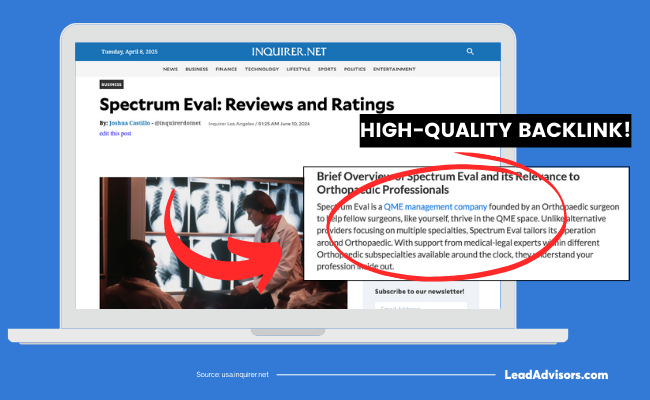
Sponsored but informative editorial reviews on high-authority health platforms are a great way to build brand awareness. When a reputable site reviews your clinic’s new telehealth platform or compliance standards, it creates a natural, high-trust path for both Google’s crawlers and new patients.
Avoiding Spammy SEO Tactics
In the world of medical search engine optimization, there are no shortcuts.
- Avoid buying links: Google is smarter than you think and can penalize your site.
- Stay away from “link farms”: If a site looks like a digital junk drawer, a link from it won’t help your healthcare medical SEO.
- Focus on Earned Media: Genuine collaborations and organic mentions are what build long-term authority.
The Golden Rule: If a link wouldn’t make sense to a real patient, it won’t make sense to Google either.
SEO Analytics & Performance Tracking
You can’t improve what you don’t measure—and that goes double for your medical practice’s online visibility. The beauty of medical search engine optimization is that it isn’t a guessing game. You have access to real-time data that tells you exactly what’s working, what’s stagnant, and where you need to pivot.
What Metrics Actually Matter?
In healthcare marketing and SEO, it’s easy to get distracted by “vanity metrics” like total page views. But views don’t pay the bills—patients do. To see the real ROI of your healthcare SEO strategy, you need to focus on intent-based data:
- Organic Traffic: Are people finding you through search engines without clicking an ad?
- Keyword Positions: Is your clinic moving from page three to the top of the “Local Pack” for doctor keywords?
- Engagement Rate: Are visitors actually reading your health SEO guides or leaving immediately?
- Goal Completions: This is the big one. Are they clicking “Call Now,” filling out a contact form, or using your online booking portal?
Google Analytics vs Google Search Console
To get the full picture, you need to use two essential tools that every healthcare SEO expert swears by:
- Google Analytics (GA4): This tracks what happens on your site. It tells you if a user landed on your “Knee Surgery” page and then navigated to your “About Us” page before booking.
- Google Search Console: This tracks what happens before they get to your site. It shows you which healthcare SEO keywords triggered your listing and if there are any technical “indexing” errors keeping you off Google.
Know Where You Stand with Competitive Benchmarking

You aren’t the only practice in town investing in SEO for healthcare. Regular benchmarking helps you understand why a competitor might be outranking you for terms like “pediatrician near me.”
By using tools like SEMrush or Ahrefs, a healthcare SEO consultant can see if your competitors are winning because of a faster website, a better backlink profile, or more comprehensive medical website SEO content. Being proactive here allows you to close those gaps before they widen.
Time for a Check-Up: Conducting an SEO Audit
Just like you wouldn’t skip your own health check-up, your website needs a regular “exam.” An SEO audit identifies the silent killers of your rankings—like broken links or slow mobile speeds.
| Audit Area | What We Check | Why It’s Vital |
| Technical Health | Site speed, mobile UX, and HTTPS. | Ensures Google’s SEO machine learning model can crawl you. |
| On-Page Optimization | H1-H3 tags, meta descriptions, and keyword density. | Clarifies your services for healthcare search engine optimization. |
| Trust Signals (E-E-A-T) | Author bios, citations, and “Medically Reviewed” tags. | Proves you are a legitimate healthcare SEO company. |
| Conversion Flow | Are the “Book Now” buttons easy to find? | Turns digital traffic into real-world patients. |
Key Takeaway: Think of an audit as your roadmap. It tells you exactly where to tune up your strategy to ensure your medical SEO marketing stays ahead of the curve.
Common SEO Mistakes in Healthcare & How to Avoid Them
Even the most well-meaning medical practices can fall into SEO traps that silently hold back their visibility online. The good news? Most of these missteps are easy to fix—once you know they’re there.
Whether you’re a solo practitioner or working with a healthcare SEO agency, staying ahead of these common blunders is vital for your growth.
1. The “Ghost” Clinic: Ignoring Local Presence
Many practices assume they’re covered because they have a website. But if you haven’t optimized for healthcare local SEO, you’re practically invisible to nearby patients. If your Google Business Profile is incomplete or your address is inconsistent across the web, Google won’t know when to show your clinic to someone searching for “urgent care near me.”
- The Fix: Claim your profile and ensure your Name, Address, and Phone number (NAP) are identical everywhere. If you’re in a competitive market, consider a healthcare local SEO agency in Chicago or your specific city to help you dominate the local map pack.
2. Publishing “Review-Less” Medical Advice
In our world, content is more than just marketing—it’s patient education. Because health falls under Google’s YMYL (Your Money or Your Life) category, unverified advice is a major red flag. If your blog posts aren’t vetted by a healthcare SEO expert or a licensed professional, search engine algorithms will likely demote them.
- The Fix: Every piece of medical content should have a “Medically Reviewed By” badge. This builds trust with patients and signals expertise to Google.
3. The Slow Loading “Waiting Room”
A slow, glitchy website is the quiet killer of medical search engine optimization. Patients in need of care are often stressed and impatient; if your site takes more than three seconds to load, they’ll click away to a competitor.
- The Fix: Prioritize site speed and mobile responsiveness. A fast, secure, mobile-first site is no longer a bonus—it’s a baseline requirement for any healthcare website SEO strategy.
4. Treating Reviews as an Afterthought
Many practices underestimate how much patient reviews influence local SEO for healthcare. A high star rating combined with fresh, active responses tells Google—and potential patients—that your practice is engaged and trustworthy.
- The Fix: Actively manage your reputation. Ask happy patients for reviews and respond to every comment (while staying HIPAA-compliant). This is a core part of medical SEO marketing.
5. Letting Content Gather Dust
The healthcare world moves fast. If your site still features a “New for 2020” guide on flu prevention, Google’s algorithms will see it as outdated. Content that doesn’t evolve loses its ranking power.
- The Fix: Conduct regular audits. Refresh your healthcare keywords, update your statistics, and re-optimize old posts. SEO for healthcare providers is a living strategy, not a “set it and forget it” task.
Key Takeaway: SEO isn’t a one-and-done effort; it’s a vital, ongoing part of your healthcare marketing and SEO ecosystem.
Future of Healthcare SEO: Trends & Predictions
The world of medical search engine optimization is moving fast. Between AI breakthroughs and shifting patient behaviors, what worked yesterday might not fill your appointment book tomorrow. To stay ahead, your healthcare SEO strategy needs to be forward-thinking.
Here is what the landscape looks like for 2026 and beyond:
Key Trends Shaping Medical Search
| Trend | What It Means for Your Practice | Your Action Plan |
| AI & Machine Learning | Google’s SEO machine learning model for healthcare is now incredibly good at understanding the intent behind a search, not just the words. | Focus on topical depth and context. Don’t just “keyword stuff”—answer the patient’s underlying concern. |
| Voice Search Optimization | More patients are asking Siri or Alexa, “Who is the best healthcare SEO expert?” or “Where is a walk-in clinic open now?” | Use conversational, long-tail healthcare keywords. Add FAQ sections that mirror how people actually speak. |
| Video SEO & Engagement | Video content often ranks higher and builds faster trust than text alone. | Create short “Meet the Doctor” videos or “Procedure Explainers.” Optimize your transcripts for SEO medical keywords. |
| Hyper-Personalization | Search results are becoming more tailored to a user’s specific location, past searches, and device. | Double down on healthcare local SEO. Ensure your mobile UX is flawless, as most personalized searches happen on the go. |
Preparing for Future Algorithm Updates
Google has made it clear that E-E-A-T (Experience, Expertise, Authoritativeness, and Trustworthiness) will only become more important for YMYL (Your Money or Your Life) sites.
To future-proof your healthcare website SEO, you should:
- Showcase Credentials: Ensure your NPI and board certifications are easily found by bots.
- Cite Trusted Sources: Link out to high-authority .gov or .edu sites to back up your claims.
- Maintain Freshness: Work with a healthcare SEO consultant or healthcare SEO agency to perform bi-annual content refreshes.