Google made some big changes in November 2025. AI-powered answers now show up in 30% of searches. Google also added a new tool called “Query Groups” in Search Console and cracked down harder on low-quality content hosted on trusted websites.
If your website traffic has been acting strange lately, you’re not alone. A lot has changed — and it’s moving fast. Whether you’ve been tracking Google updates since 2022 or you’re just getting started, here’s what’s really going on and how to protect your site.


The “Movember Update”: Unconfirmed But Undeniable Volatility
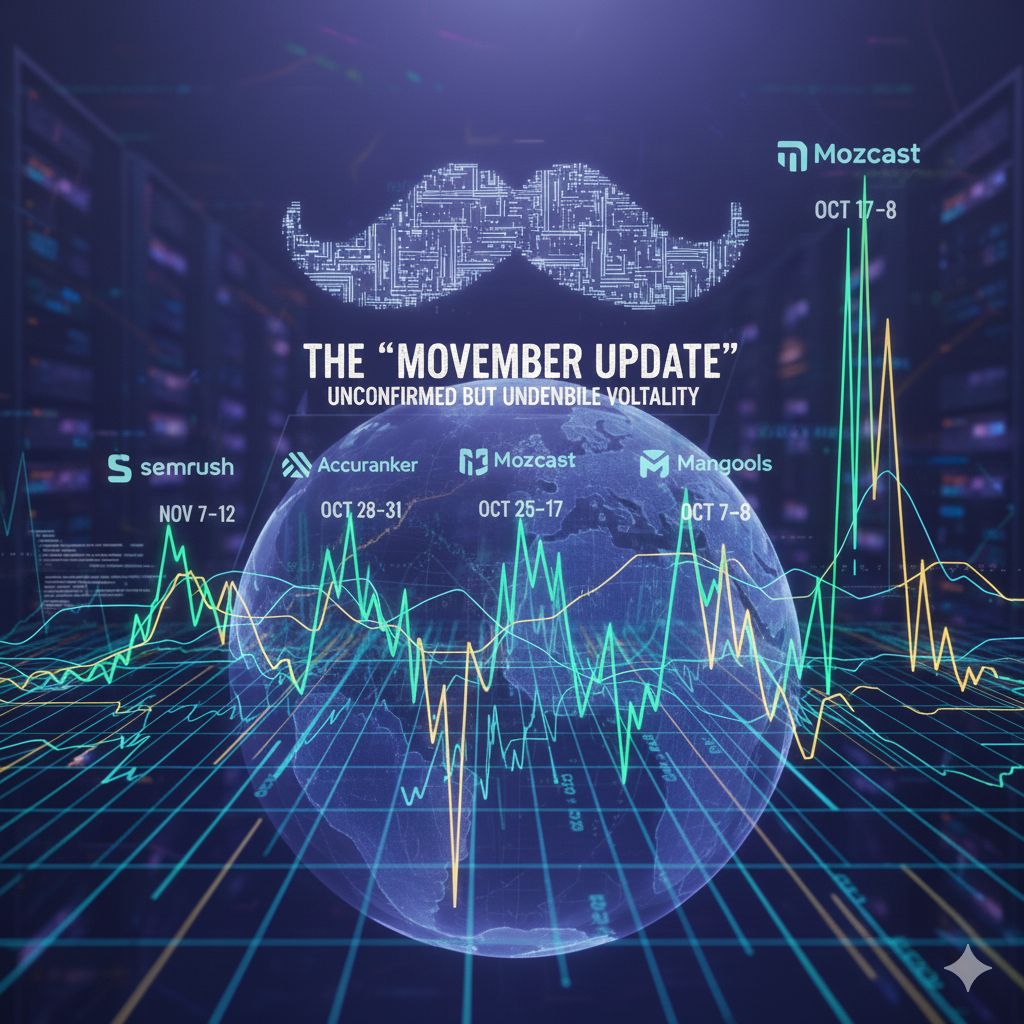
Google didn’t announce a new update, but something clearly happened. Search engine optimization tracking tools like Semrush and Mozcast went into “red alert” mode throughout November 2025. People in the SEO community started calling it the “Movember Update” because of all the movement they were seeing.
When did things get rough?
- Nov 7–12: The worst of it. If your traffic dropped, this was probably when.
- Oct 28–31: First big warning signs.
- Oct 15–17: Things started feeling off.
- Oct 7–8: Small early tremors.
What were site owners seeing?
- Dead Traffic: Lots of people see your site in search results, but don’t click. This happens when Google answers the question directly on the search page — so users never need to visit your site.
- Zombie Traffic: Sudden spikes in visitors who don’t buy anything or sign up. These are people who aren’t really interested in what you sell.
- Overnight Drops: Pages that ranked at the top for years suddenly fell 30–50 spots with no warning.
Google blamed some of it on “search-serving issues” — basically, technical hiccups. But the bigger picture is clear: Google is pushing hard to reward helpful, human-centered content.
What’s Actually Changing in Google’s Search Algorithm
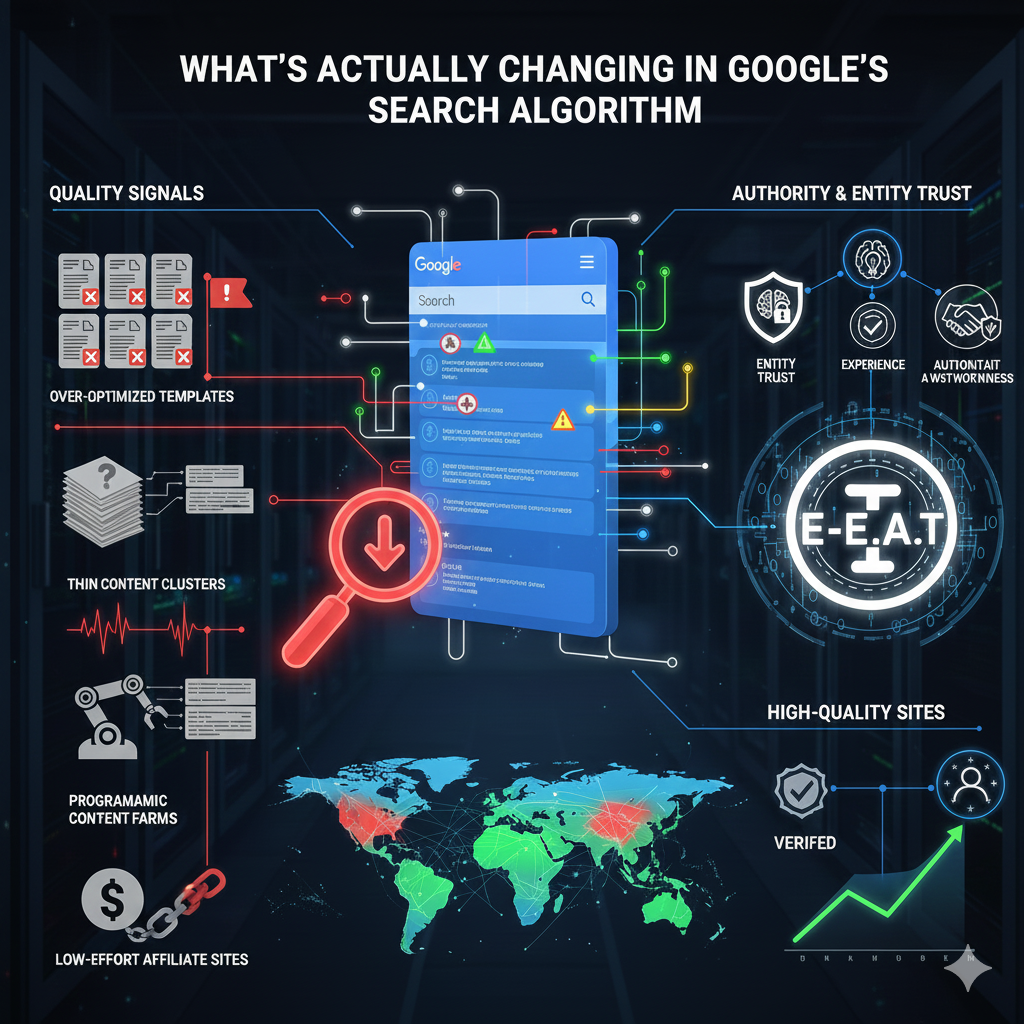
Google is no longer just matching keywords. It’s looking for signs that your content is genuinely useful and trustworthy.
What Google is penalizing:
- Copy-paste templates: If every page on your site looks the same with just a city name swapped out, you’re at risk.
- Thin content: Fifty short blog posts that all say the same thing won’t help.
- AI-generated spam: Mass-produced articles with no human review are being flagged.
- Lazy affiliate pages: Just summarizing Amazon reviews without actually using the product? Google can tell.
The new currency: Trust
Google is now heavily rewarding sites that prove they’re real experts. This is called E-E-A-T — Experience, Expertise, Authoritativeness, and Trustworthiness. It used to matter mainly for health and finance sites. Now it applies to almost every topic.
Quick win: During the November 2025 changes, adding a simple “Why trust us?” section with links to real author credentials helped one struggling site recover 15% of its lost traffic in just three weeks.
Search Console’s Query Groups: A Game-Changer for Intent SEO
If you’ve opened Google Search Console recently, you may have spotted something new: Query Groups. This is one of the biggest updates to the tool in years.
Instead of tracking individual keywords, Query Groups shows you how Google bundles related searches together by what the user actually wants to do (called “intent”). Think of it as Google showing you how it reads your content.
What Query Groups can do for you:
| Feature | What It Does | Why It Matters |
| Intent Clustering | Groups similar searches together | Shows how Google categorizes your pages |
| Cannibalization Detection | Spot pages are competing against each other | Helps you fix pages that are hurting each other |
| Gap Analysis | Shows missing topics | Reveals questions your competitors are answering that you aren’t |
| Performance Tracking | Measures topic groups, not just keywords | Gives you a broader picture of your authority |
How to use it:
- Find your top-performing groups and double down on them.
- If multiple pages compete for the same group, merge them into one strong guide.
- If you have high impressions but few clicks in a group, that’s a content gap worth filling.
Google Tool Glitches and Data Discrepancies
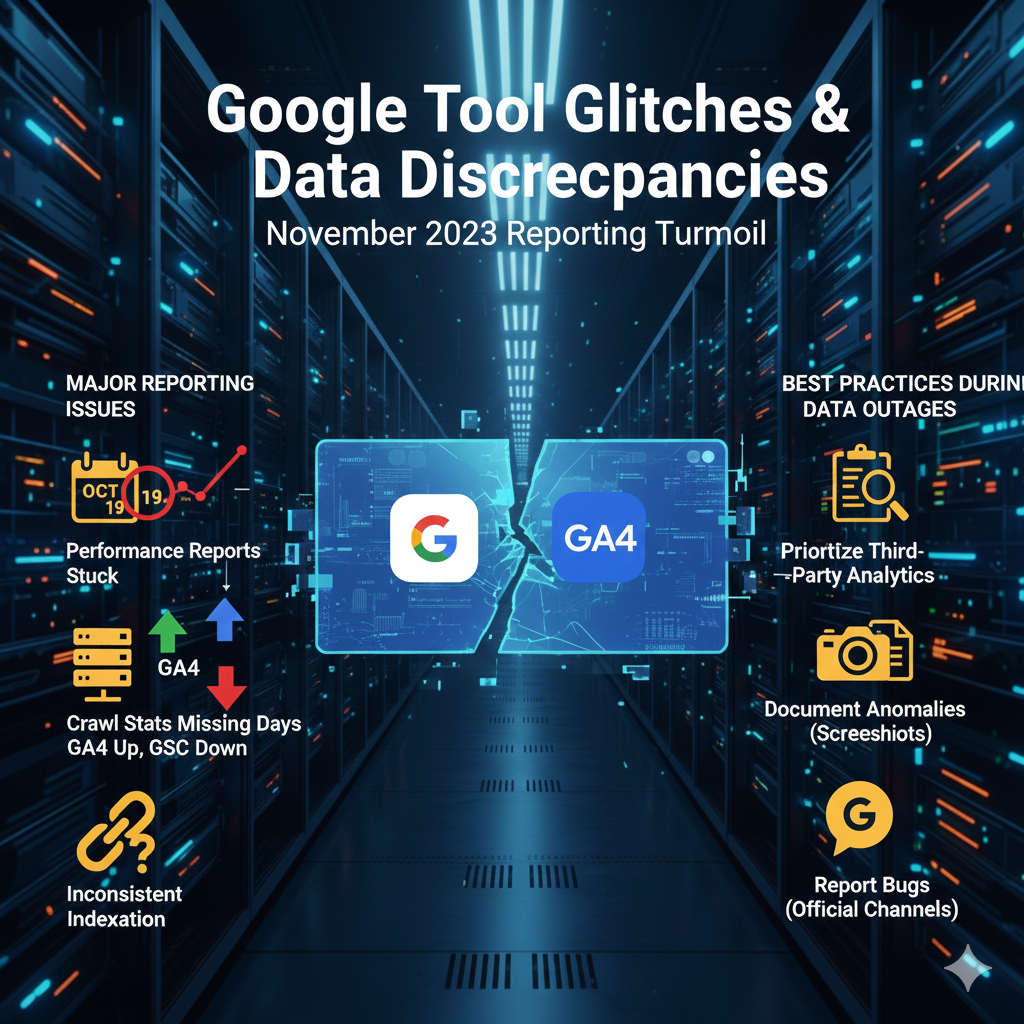
November 2025 wasn’t just messy for rankings — it was also messy for reporting. A lot of what you’re seeing in your dashboard may not reflect reality.
Known issues:
- Frozen Search Console data: Many users saw their performance reports stuck since October 19, 2025.
- Missing crawl stats: Gaps in mid-October and early November with no explanation.
- GA4 vs. Search Console mismatch: GA4 might show traffic going up while Search Console shows it going down. This is because they measure slightly different things, and Search Console’s data has been slower to update.
What to do:
- Trust third-party tools like Semrush or Ahrefs during outages — they use their own data.
- Take screenshots so you can explain unusual drops to clients or bosses.
- Check your server logs if you can — they show exactly when Google visited your site, no matter what the dashboard says.
A reporting glitch is not a penalty. If people are still visiting and buying, you’re probably fine.
AI Overviews Expansion: The 61% CTR Killer
The change that’s hurting the most websites right now isn’t a traditional algorithm update — it’s AI Overviews. These are the AI-generated answer boxes at the top of search results. As of November 2025, they’re everywhere.
The hard numbers:
- Organic click rates drop by 61% when an AI Overview appears.
- Paid ad click rates drop by 68%.
- 58% of Google searches now end without anyone clicking a single link.
Who’s getting hit hardest:
- News and publishing sites (CNN, Business Insider lost 30–40% of traffic.
- How-to and educational sites (Google now answers “how to start composting” directly).
- Affiliate and review sites (product comparisons are increasingly summarized by AI).
How to get included in AI Overviews:
- Put a clear 2–3 sentence summary of your answer near the top of the page.
- Use structured data (Schema markup) — it increases your chances of being cited by 30%.
- Keep your content fresh. AI prefers newer content, on average, 25% more recent than traditional top results.
- Build your brand’s reputation. Mentions on Reddit and in news articles carry more weight than old-school backlinks.
Here’s the good news: if your site IS cited in an AI Overview, you get a 35% boost in click rates compared to sites that aren’t. Being “quote-worthy” matters more than ranking #1.
SERP Feature Removals: Organic Blue Links Make a Comeback?
In a surprising move, Google is getting rid of several search features that used to be popular, including:
- Practice Problems & Quiz Markup (removed January 2026) — users now just ask AI to make quizzes instead.
- Book Actions & Learning Videos — being retired to simplify the mobile experience.
- Special Announcements — the emergency banner from the pandemic era is gone.
- Estimated Salary cards — replaced by broader informational results.
What this means for you:
Removing these features technically gives your regular blue link a little more room on the page. But AI Overviews are filling that space fast. By March 2026, they appear in about 55% of searches.
If you spent time adding “Practice Problem” code to your site, don’t delete it — it won’t hurt you. But stop prioritizing those niche markups in 2026. Focus on E-E-A-T and getting cited in AI boxes instead.
Read More: Winning Google Clicks: How to Master SERP Features in 2026
Google Ads Invade AI Overviews
Yes, you read that right. Paid ads now appear directly inside AI Overview boxes. This changes everything about the relationship between paid and organic search.
How it works:
- Google decides automatically when an ad fits the AI-generated answer — you can’t specifically target the AI box yet.
- Ads are most likely to appear for “shopping” queries. For example, if someone asks “how to clean a green pool,” the AI explains the steps, and an ad for pool vacuums may appear right inside the box.
- Shopping ads with strong images tend to be the most visible.
What this means for your strategy:
- Your ad copy needs to be genuinely helpful, not just salesy.
- If you have both a strong organic page and an active ad campaign, you have the best shot at owning the entire “answer” space.
- You can’t yet tell which clicks came from the AI box vs. regular search — making independent tracking tools more valuable than ever.
Parasite SEO Crackdown: Site Reputation Abuse Policy Enforcement
Google has been aggressively enforcing its Site Reputation Abuse policy. This is sometimes called “Parasite SEO” — when low-quality content hitches a ride on a trusted, high-authority website.
What’s being targeted:
- A medical site hosting “best online casino” reviews.
- Major news sites are running third-party coupon pages.
- Sections of a site are “rented out” to partners who post hundreds of product reviews with no human oversight.
- Paid guest posts are placed purely to get a backlink.
What’s new: Google used to rely on human reviewers to catch this. By November 2025, its algorithm can detect it automatically. The punishment is being “decoupled” — that specific section of your site gets treated like a brand new, untrusted domain. Its rankings disappear overnight, even if the rest of your site is fine.
Quick action steps:
- Check every page on your site. Does it match what your site is actually about?
- Make sure a real human editor reviewed any guest or sponsored content.
- Use clear sponsorship labels — hidden ads trigger spam filters.
- If you’re not sure about a section, use a “noindex” tag. It’s better to hide it from Google than risk your whole site’s reputation.
Reviews System Overhaul and Local SEO Changes
If you run a local business, Google reviews are no longer just for social proof — they’re now a major ranking factor for both local map results and AI Overviews.
Changes to review markup:
- Google now checks whether the star ratings in your code actually match what’s on your page. A mismatch can get you penalized.
- One review must point to one specific product or service — no more attaching a single review to multiple things.
- AI is now being used to detect fake or “incentivized” reviews (like offering a discount for 5 stars). Thousands of profiles got warnings in February 2026.
What’s new for your Google Business Profile:
- You can now see which “Query Groups” triggered your map listing.
- Google’s AI (Gemini) now answers customer questions automatically using your reviews and website content.
- A new form launched in January 2026 lets businesses report fake reviews or “review bombing” by competitors.
Why it matters: Profiles that get 2–4 fresh reviews every month are 50% more likely to be featured in an AI summary than profiles that haven’t been updated in a while.
Friendly tip: Don’t just ask for stars — ask for stories. A review that says “Dave arrived in 20 minutes and fixed my leak” is 10x more useful to your ranking than one that says “Great job!”
The Rise of Generative Engine Optimization (GEO)
Ranking #1 on Google is no longer the only goal. Today, you also need to show up in AI-generated answers on ChatGPT, Perplexity, and Google’s own AI Mode. This is called Generative Engine Optimization (GEO).
How search has evolved:
| Phase | Focus | Goal |
| Traditional SEO | Keywords & backlinks | Page 1 on Google |
| Answer Engine Optimization (AEO) | Featured snippets | “Position Zero” |
| Generative Engine Optimization (GEO) | Being cited by AI | Included in AI answers |
Why GEO matters right now:
- 44.2% of all AI citations come from the first 30% of a page. If your best answer is buried deep in your article, AI won’t find it.
- Users who find you through AI citations have a 15.9% conversion rate — compared to just 1.76% for regular search. They’re ready to act.
- AI responses typically only cite 3–5 sources — so being left out means being invisible.
What AI systems prefer:
- Start with a clear definition (40–60 words works best).
- Use specific names, places, and facts — AI thinks in concrete entities, not vague phrases.
- Write decision-stage content — case studies, pricing comparisons, and real results. These sites see 30% more AI referral traffic.
- Show your credentials — link author bios to verifiable profiles like LinkedIn.
Try this: Search your most important customer questions on ChatGPT or Perplexity. If you’re not being cited, look at who is — and see how their content is structured differently.
Alternative AI Search Engines Reshape Discovery
ChatGPT, Perplexity, and Google Gemini are no longer experiments. As of March 2026, a huge portion of people — especially Gen Z — use them for research almost as often as Google.
Traffic numbers (early 2026):
- ChatGPT processes over 2.5 billion prompts every day and delivers traffic with a 15.9% conversion rate.
- Perplexity has seen a 148% surge in traffic to featured content over the past year. It’s especially popular with business professionals and senior leaders.
- Google Gemini has grown referral traffic to publisher sites by 400% year-over-year, thanks to its integration with Android and Chrome.
Key shift: Only 12% of URLs cited by AI assistants actually rank in Google’s top 10. You can win in AI search even if you’re struggling with traditional rankings.
Read More: Copilot vs ChatGPT: Which Is Right for You?
Technical SEO Fundamentals: Still Critical in the AI Era
No amount of great content will help if your site is slow, broken, or hard for Google to read. Here’s what matters in 2026:
Core Web Vitals — the speed test you must pass:
- INP (Interaction to Next Paint): Your site must respond to a user’s click in under 200ms.
- LCP (Largest Contentful Paint): Your main content must load in under 2.5 seconds.
- CLS (Cumulative Layout Shift): Aim for a score below 0.1. Avoid anything that makes the page jump around while it loads.
Easy-to-miss technical issues:
- Case-sensitive URLs: /My-Page and /my-page are treated as different pages. Use canonical tags to tell Google which one is the official version.
- Bloated sitemaps: Only include your best pages. If your sitemap has broken links or “noindex” pages, you’re wasting Google’s crawl time.
New for e-commerce: You can now add shipping and return info once at the “Organization” level in Search Console — no more adding it to every single product. Sites that do this see a 22% higher click rate because they build instant trust before the user even clicks.
Crawl and Indexation in the AI Content Flood Era
Google’s position is simple: quality matters, not the tool you used to create it.
- Using AI to write content will not get you banned.
- A “hybrid” approach — AI writing + human editing — led to 15–20% visibility gains during the March 2026 Core Update.
- What IS penalized: thousands of AI articles with no human oversight, no unique data, and no real-world perspective. Google calls this “scaled content abuse.”
- To rank, AI content must include something a machine couldn’t know — a hands-on product test, a first-person experience, or a local insight.
Real example: One site recovered 40% of its lost traffic just by deleting 2,000 thin AI pages. Removing the dead weight allowed Google to crawl and rank the truly helpful content.
Google Maps + Gemini: Conversational Local Search Arrives
On March 12, 2026, Google rolled out its biggest Maps update in over a decade. Gemini AI is now built directly into Maps, turning it into a conversational search tool.
What’s new:
- Ask Maps: Users can now say things like “Find a quiet café with outdoor seating and fast Wi-Fi near the park” and get smart, personalized answers.
- Lens with Gemini: Point your camera at a storefront and ask, “Is this place kid-friendly?” — Gemini answers based on photos and reviews.
- Smarter navigation: Instead of “In 500 feet, turn right,” Gemini now says “Turn right after the Thai Siam Restaurant.”
How to show up in this new local search:
- Go beyond basic profile attributes. Instead of just listing “Wi-Fi,” say “Fast Wi-Fi for remote work.”
- Add exterior photos, especially if you’re next to a landmark. Gemini uses landmarks in directions.
- Ask for detailed reviews. A review that mentions “great for groups of 10 with easy parking” gives Gemini the context it needs to recommend you.
- Post weekly updates to your Google Business Profile to stay active and relevant.
Content Strategy for 2026: The New Rules
The old SEO playbook is outdated. Here’s what works now:
- Topic clusters beat single keywords. Build one big “pillar” page (3,000+ words) on a broad topic, then link out to 8–15 deeper articles on specific sub-topics.
- Brand authority matters more than backlinks. Get mentioned in forums, reviews, and social discussions — even without a direct link. AI engines like ChatGPT and Perplexity look for brands that people are talking about.
- Be consistent everywhere. If your business name, description, or author info is different across the web, AI systems get confused. Keep everything consistent.
- Engineer your way into AI Overviews
| Tactic | Why It Works |
| Lead with a 40–60-word direct answer | AI can easily pull it as a standalone quote |
| Use question-based headings | Matches how people talk to AI search tools |
| Include original data or stats | Boosts your citation rate by ~28% |
| Link author bios to real credentials | Strengthens trust signals |
5. Write like a human. Use “I” and “we.” Share real experiences. First-person, experience-based content is 67% more likely to be cited by AI than generic, impersonal writing.
30-Day Action Plan: Adapting to November’s Changes
Hey! We’ve covered a lot of ground, from AI Overviews to the “Movember” volatility. Now, let’s put it into action. This 30-day roadmap is designed to move you from “reacting” to “leading” in the 2026 search landscape.
Week 1: Audit Your Site
Days 1–2: Open Query Groups in Search Console. Find pages competing for the same intent and plan to merge them.
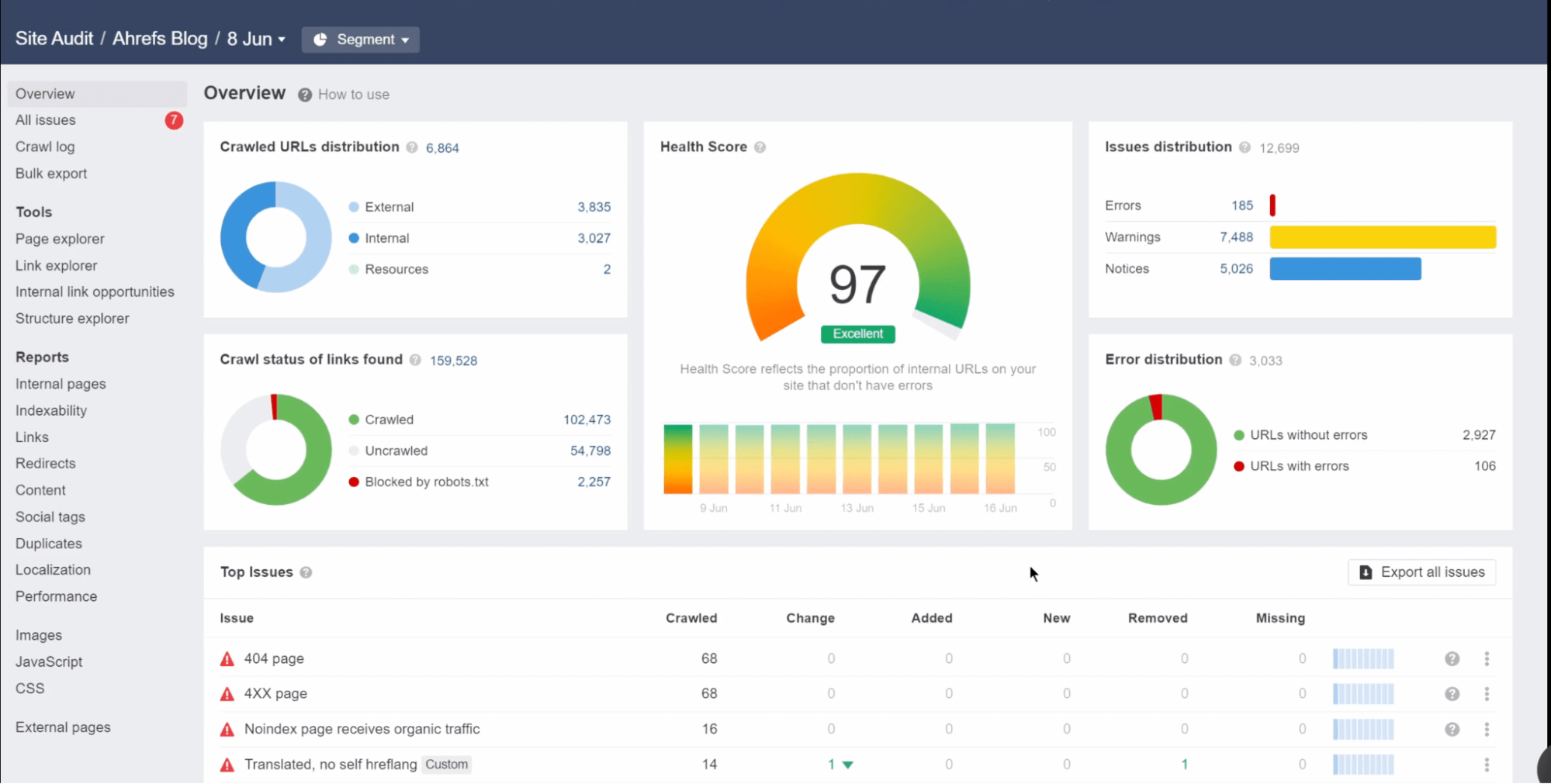
- Day 3: Check Manual Actions. Did traffic drop in September or November 2025? You may have a quiet algorithmic demotion.
- Days 4–5: Review all guest and sponsored content. Delete anything that doesn’t help your readers.
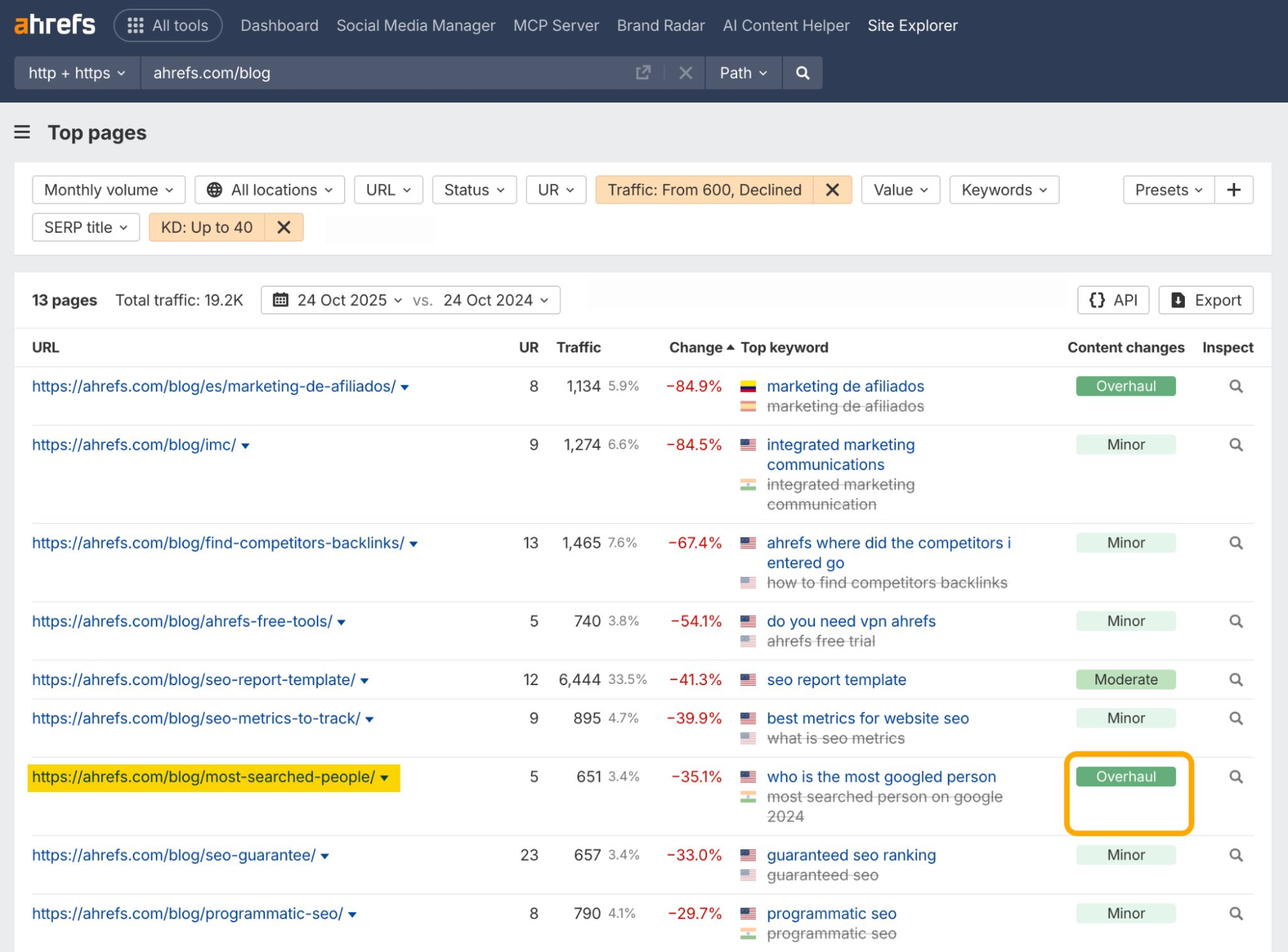
- Days 6–7: Search for yourself on ChatGPT and Gemini. Not showing up? Study who is.
Week 2: Technical Fixes (Infrastructure Phase)
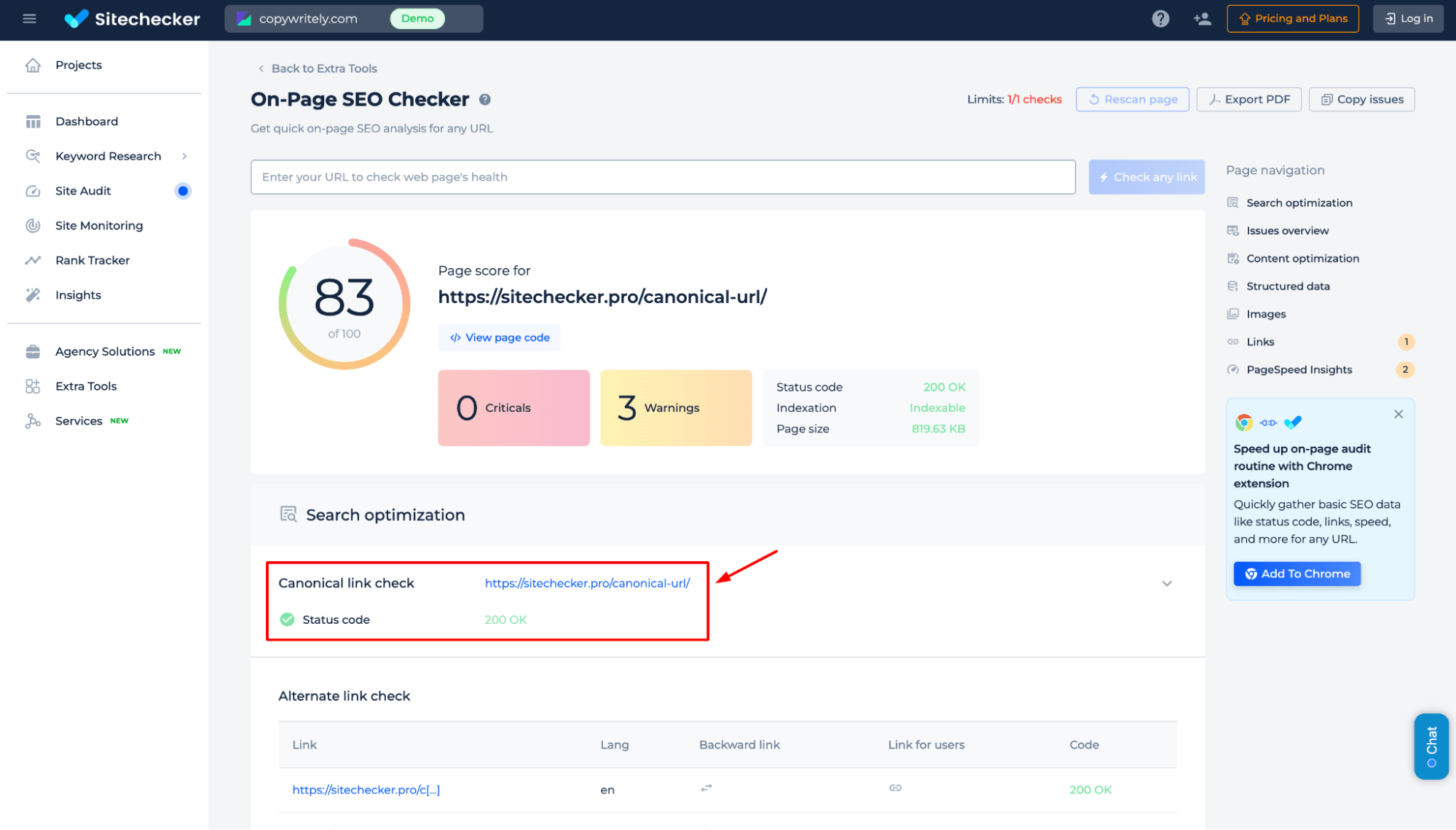
- Days 8–9: Clean up your URLs. Make sure /About and /about point to the same canonical version.
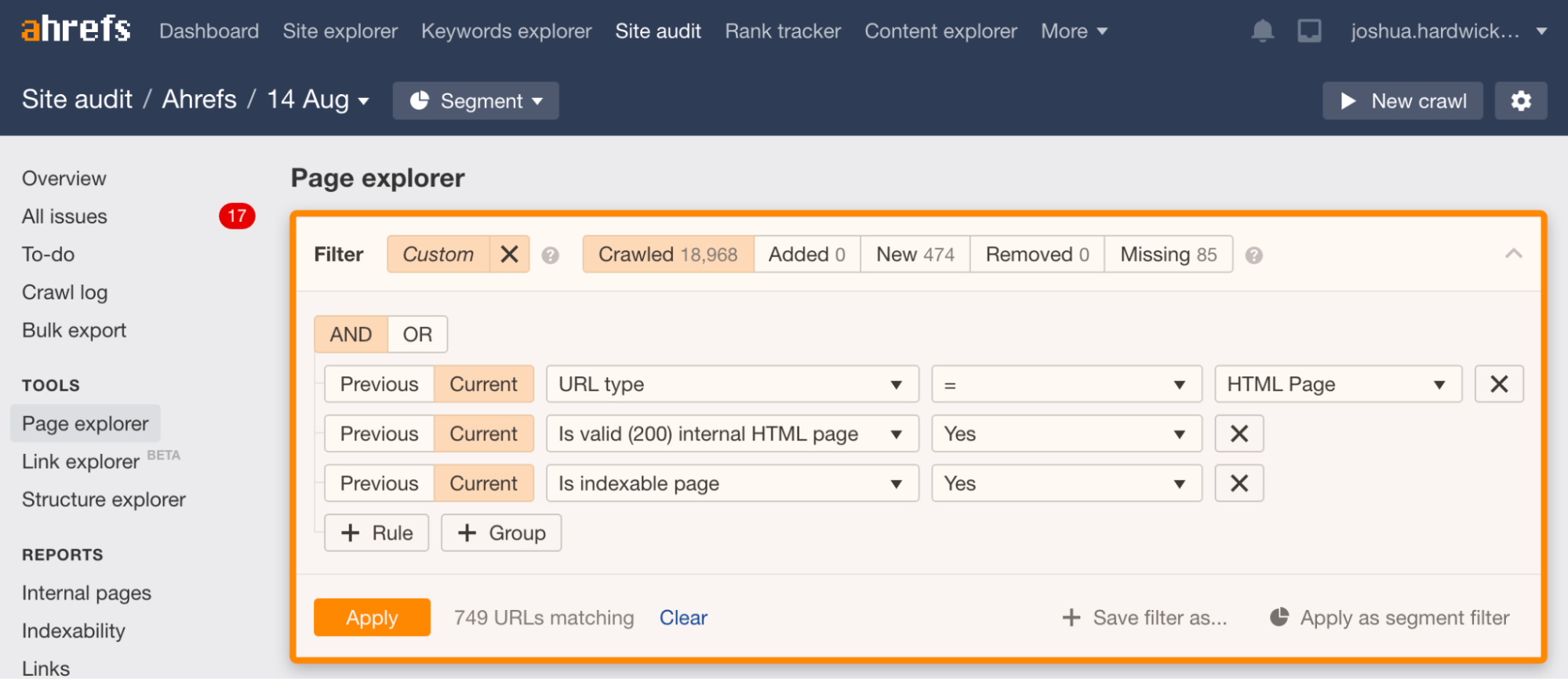
- Days 10–11: Trim your sitemap. Remove broken links and thin pages.
- Days 12–13: Add the new shipping and returns schema to your e-commerce pages.
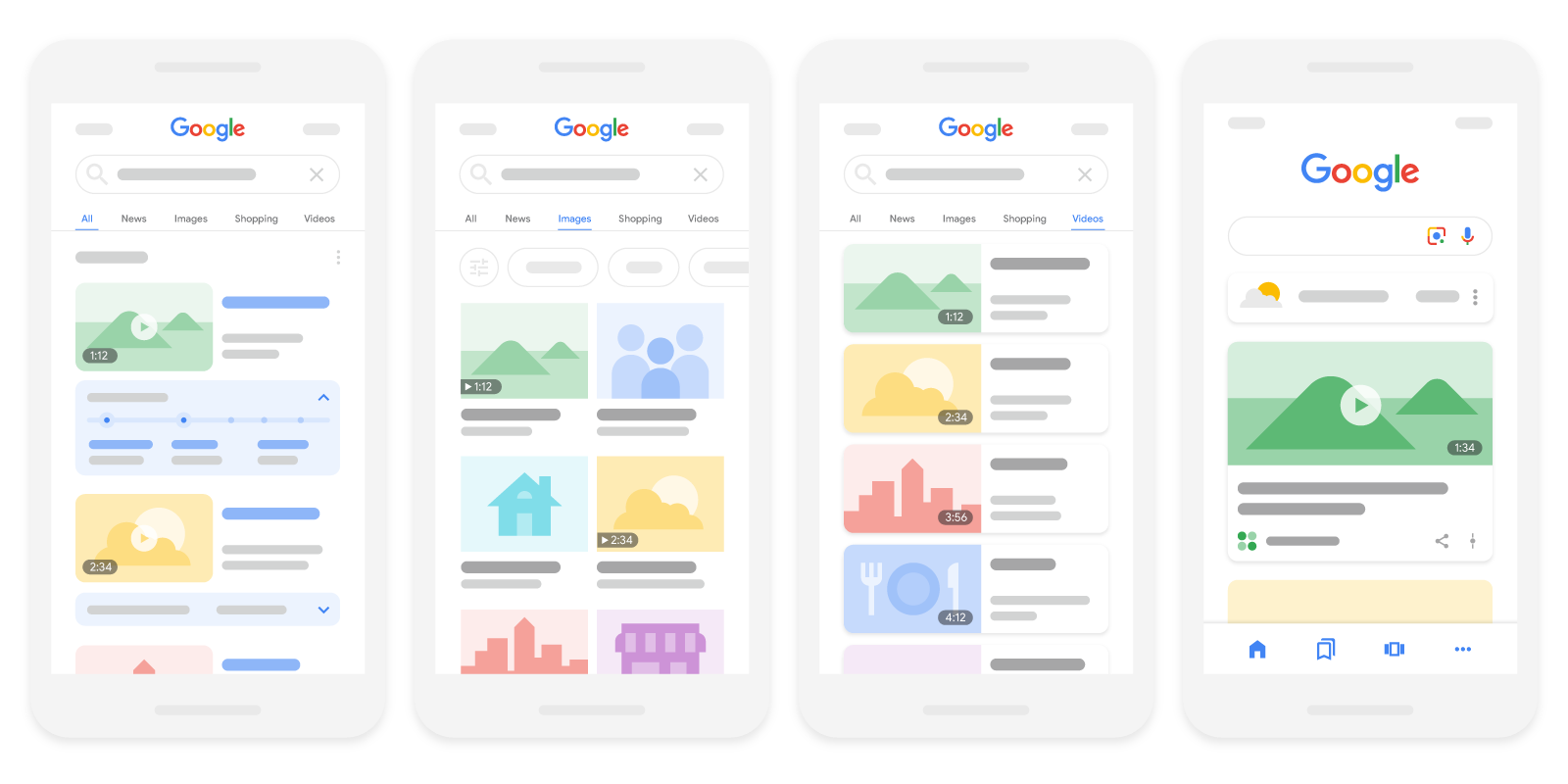
- Day 14: Validate your FAQ and Organization schema with Google’s Rich Results Test.
Week 3: Content Optimization (Value Enhancement Phase)
- Days 15–17: Merge overlapping pages into strong “mega-guides.”
- Days 18–19: Add a 40–60-word “direct answer” block to your top 10 pages.
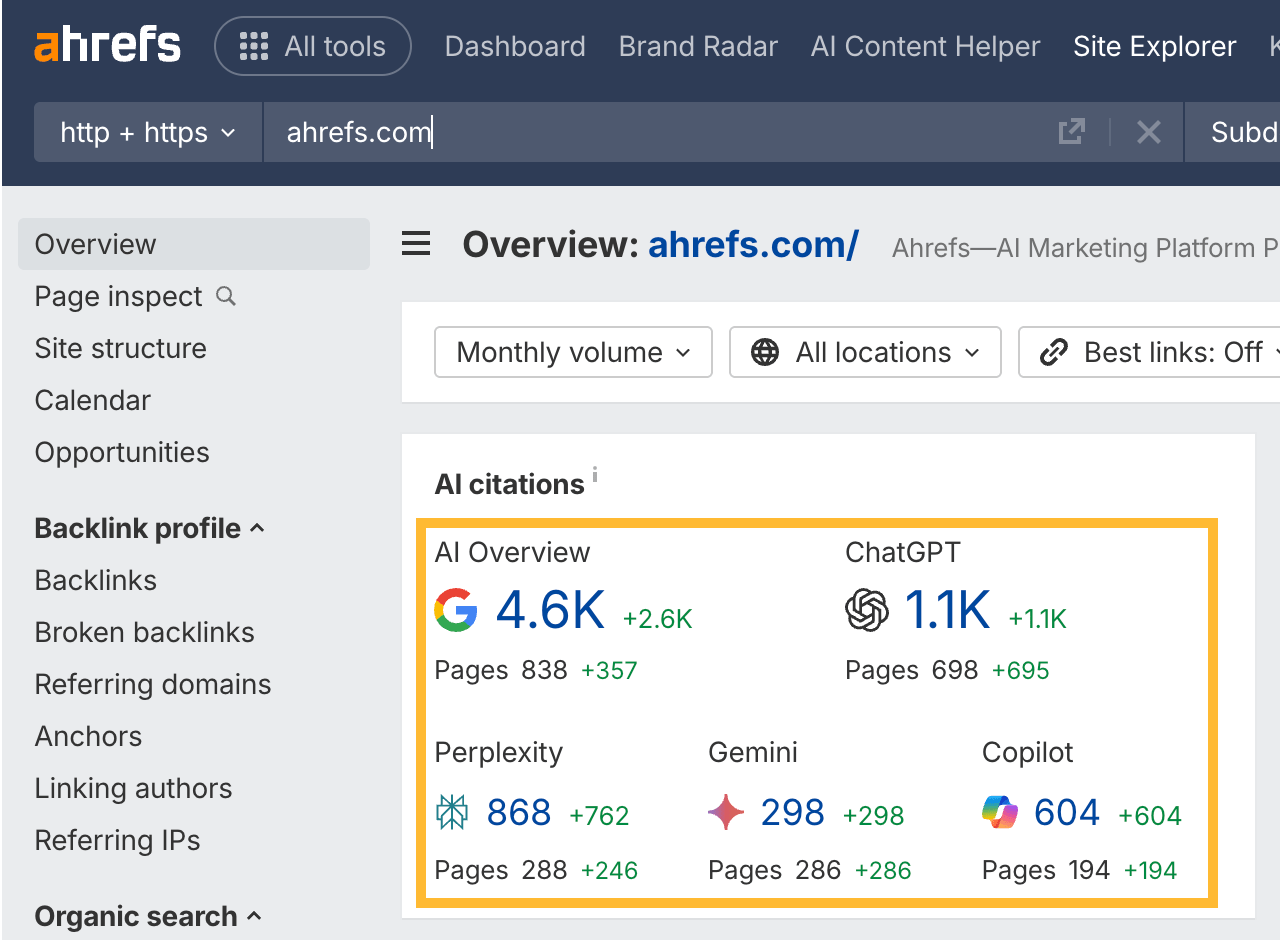
- Days 20–21: Strengthen author bios with links to LinkedIn and professional credentials.
- Day 22: Update old stats — swap out anything from 2022 or 2023 with current data.
Week 4: Monitoring and Expansion (Growth Phase)
- Days 23–24: Check which of your top keywords now show AI Overviews. Adjust your click-through expectations.
- Days 25–26: Update your Google Business Profile with 5 new photos, including nearby landmarks.
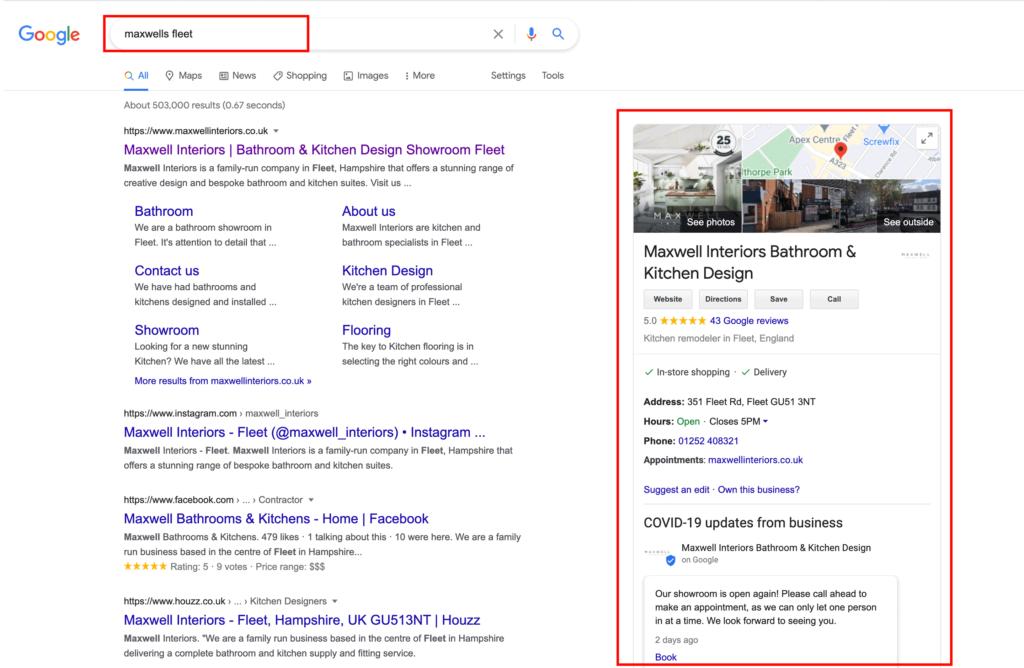
- Days 27–28: Ask 5 happy clients to write a detailed Google review mentioning a specific service.
- Days 29–30: Consider translating your top 5 pages into Spanish or German. AI Overviews now support 35+ languages.
SEO Isn’t Dying — It’s Changing Into Something Bigger
If you’ve been reading SEO news lately, you’ve probably seen a lot of “SEO is dead” headlines. Don’t believe them.
Yes, things are changing fast. But the panic around AI and algorithm shifts is missing the bigger picture: search is just getting smarter. It’s moving from a simple list of links to a conversational assistant that actually understands what you’re looking for.
AI-first search doesn’t replace SEO — it builds on top of it. The core rules haven’t changed: create helpful content, prove you’re an expert, and keep your site fast. What’s different now is how Google checks those things and where your name shows up in results.
Brands That Will Succeed in 2026
Looking ahead at the next wave of Google updates, the winners all share a few key traits:
Trust over tricks. They don’t just claim to be experts — they prove it. They have real author credentials, consistent information across the web, and genuine reviews. This makes them trustworthy enough for AI to cite.
No skipping the boring stuff. Fast load times, clean Search Console reports, and properly set up schema markup are their foundation. These “unsexy” basics are what keep them stable when updates hit.
Consistent brand information everywhere. Whether it’s a Google review, a LinkedIn page, or a news mention, their name, description, and details are always the same. AI systems get confused by mixed signals — and they’ll pick a competitor who’s clearer.
Full topic coverage. Instead of fighting over one keyword, they use Query Groups to make sure they answer every question a user might have on a topic. They don’t just own one page — they own the whole subject.