Subliminal advertising—hidden messages intended to bypass conscious perception—has been drawing the attention of marketers, psychologists, and consumers for a considerable time.
While one can still hear about the “drink Coca Cola” and “eat popcorn” experiments, which were conducted to demonstrate the effect of subliminal advertising and are no longer found in the literature, today companies are instead accused of subliminal advertising by videos showing how their logos are created. The question remains the same: Does it work? Is subliminal advertising illegal? And should brands use it?
This guide differs significantly from other articles, which often attract users to their pages but also confuse them. It explains what subliminal advertising actually is, how it affects the subconscious mind, and whether these techniques have any real impact on consumer behavior.
TL;DR
-
Subliminal advertising is real but offers only minimal, unreliable influence.
-
It can’t create new desires or override free will—only nudge existing motivations slightly.
-
Ethical, transparent marketing is far more effective and builds long-term trust.
-
Advancing AI and neuromarketing require firm ethical boundaries now, before tech outpaces regulation.
-
The best marketing succeeds by resonating with conscious values, not by hiding messages.

What Is Subliminal Advertising?
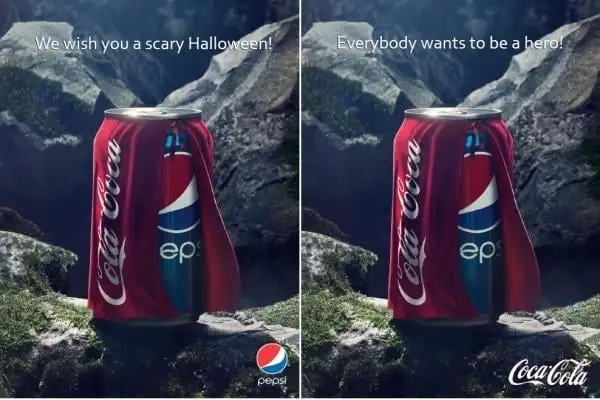
Subliminal advertising is a kind of promotion that aims at implanting in the consumer’s mind a message without the consumer being aware of it. The messages may be either pictures or sounds, which are displayed for a very short time or are so quiet that they are not consciously noticed. But studies show that addressees can still be affected in their subconscious.
Breaking Down the Types
Subliminal advertising techniques typically fall into three categories:
- Subliminal stimuli refer to subliminal images that can only be viewed for a very short time, typically in a movie or news broadcast. The mind fails to recognize the preceding image due to its very short duration, but it still processes it.
- Subaudible messages are sounds that are played such that even if one has normal hearing, they may not be able to catch the words, thereby making it impossible for the conscious mind to notice them. However, it is suggested that the audio can influence the least conscious mind.
- Backmasking refers to the use of music or an advertising campaign in which a message is encoded in a reversed manner. The idea is that if played backwards, it will be the holder of the conversation with the unconscious mind.
What Subliminal Advertising Isn’t
Here’s where fatal mistakes happen in understanding this topic: subliminal advertising is not mind control. It doesn’t override free will or force consumers to buy products they don’t want to purchase. Instead, it works (when it does) by priming existing desires or associations already present in the target audience.
The distinction between subliminal and subconscious influence matters. Subliminal refers specifically to stimuli below conscious perception thresholds. Subconscious influence encompasses any marketing that affects us without our full conscious awareness—such as color psychology, emotional storytelling, or strategic product placement that doesn’t require hidden messages.
The Psychology Behind Subliminal Influence
Understanding how subliminal techniques allegedly work requires diving into how the brain processes information outside conscious awareness.
Key Psychological Mechanisms
Priming occurs when exposure to a specific stimulus influences responses to subsequent stimuli. For example, a preceding subliminal image of a smile might make consumers feel more positive about a brand, even if they never consciously saw the smile.
Emotional conditioning connects products with feelings. Subliminal exposure to positive imagery while showing a logo could theoretically strengthen brand perception through associative learning.
Negative priming works in reverse—subliminal negative images or subliminal negative messages might create aversion to competing products.
What Research Actually Shows
The scientific reality is more nuanced than marketing experts often claim. A 2006 study published in the Journal of Consumer Research found that subliminal priming only worked when subjects were already motivated. Thirsty participants exposed to a subliminal “Lipton Ice” message consumed more of the beverage, but those who weren’t thirsty showed no effect.
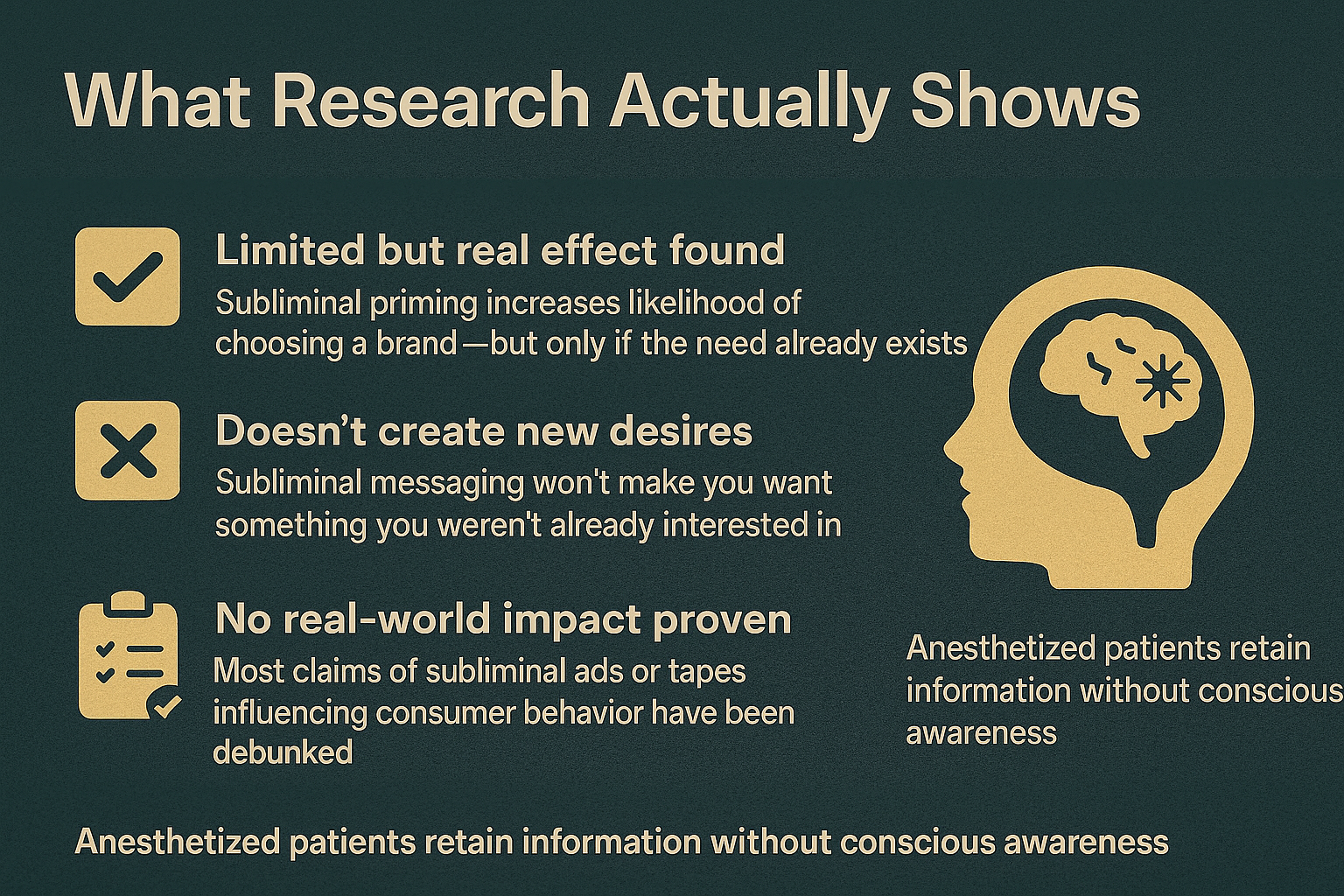
This reveals a crucial limitation: subliminal advertising works by activating existing needs, rather than creating new ones.
Only limited research supports the idea that subliminal tapes or flashing images in television commercials can meaningfully alter consumer behavior in real-world conditions. Previously believed theories about powerful subliminal persuasion have largely been debunked.
Interestingly, studies on anesthetized patients recall during medical procedures show that people undergoing medical procedures can process considerable information capable of influencing memory, even without conscious awareness—suggesting the brain does process information below conscious perception thresholds.
Does Subliminal Advertising Actually Work?
The Popcorn Myth That Started Everything

In 1957, market researcher James Vicary claimed that flashing “Eat Popcorn” and “Drink Coca-Cola” on a movie screen increased sales by 18% and 58% respectively. This experiment sparked public panic about subliminal manipulation.
The problem? Vicary later admitted the study was fabricated. No data existed. Yet this hoax cemented subliminal advertising in popular culture for decades.
What Modern Science Says
Research from Princeton University demonstrates that subliminal messages can influence motivation and performance—but only under specific conditions:
| Determining Factors | Effect on Subliminal Influence |
| Existing motivation | Essential—subliminal cues only amplify current desires |
| Attention level | Low attention increases susceptibility |
| Message relevance | Must align with the person’s mood and goals |
| Context | Environmental factors significantly impact effectiveness |
| Individual differences | Personality and cognitive style affect responsiveness |
The consensus among researchers is clear: subliminal advertising techniques can nudge behavior at the margins when conditions align, but they cannot override conscious decision-making or implant entirely new desires.
The Placebo Effect Problem
Much of the perceived effectiveness of subliminal advertising may stem from the placebo effect. When consumers believe they’ve been influenced, they sometimes alter their behavior to match expectations—not because of the subliminal stimulus itself.
Is Subliminal Advertising Illegal?
United States Legal Landscape
Is subliminal advertising illegal? The answer is complicated. In the U.S., subliminal ads aren’t explicitly banned by federal law, but they face serious regulatory scrutiny:
- The Federal Communications Commission (FCC) declared subliminal messaging “contrary to the public interest” in 1974, effectively discouraging broadcasters from using such techniques
- The Federal Trade Commission (FTC) regulates advertising under truth-in-advertising laws. Deceptive practices that manipulate consumers without their knowledge could violate these standards
- While not criminally illegal, brands using subliminal techniques risk civil liability, regulatory action, and consumer protection lawsuits
International Regulations
Countries with explicit bans:
- United Kingdom (banned under broadcasting codes)
- Australia (prohibited by advertising standards)
- Germany (restricted under consumer protection law)
The ethical implications extend beyond legality. Even where permitted, subliminal marketing raises ethical concerns about consumer autonomy and manipulation of vulnerabilities.
Subliminal vs. Ethical Psychological Marketing
Here’s where many brands make fatal mistakes: confusing ethical subconscious influence with deceptive subliminal manipulation.
Ethical Influence That Works
Savvy marketers use psychology ethically without hidden messages:
Color psychology leverages proven color associations—blue for trust (think Facebook, LinkedIn), red for urgency (such as sale signs), and green for health (Whole Foods). This influences the subconscious mind without deception.
Emotional storytelling in advertising campaigns creates authentic connections. When consumers feel genuinely moved by a narrative, they remember the brand—no subliminal trickery required.
Strategic repetition builds familiarity. Hearing a jingle repeatedly makes it stick, not because it’s hidden, but because repetition is how memory works.
Sound branding, like Netflix’s “ta-dum” or Intel’s sonic logo, creates instant recognition through auditory stimuli that is fully conscious.
The Ethical Checklist
Before implementing any psychological marketing technique, ask:
- Is it transparent? Would consumers feel manipulated if they knew?
- Does it respect autonomy? Can people make informed choices?
- Does it add genuine value? Or just exploit psychology for profit?
- Would it harm trust if exposed? Public backlash can destroy a brand faster than any marketing can build it.
Classic Subliminal Advertising Techniques
Visual Manipulation Methods
Hidden symbols
These are embedded within logos or advertisements, supposedly influencing unconscious cognition. The classic example: ice cubes in liquor ads allegedly containing suggestive images (though most “examples of subliminal” messaging in this category are pareidolia—humans seeing patterns that aren’t intentionally there).
Rapid frame insertion
It involves flashing images for 1/24th of a second in television commercials or movies. The Food Network faced controversy when viewers claimed a McDonald’s logo appeared briefly during the popular show Iron Chef.
Negative space design
It uses the space around and between design elements to create secondary images. Unlike true subliminal advertising, these are typically discoverable with attention—more clever design than manipulation.
Auditory Techniques
Backmasking
This reverses audio tracks, allegedly embedding messages. Rock bands were accused of hiding satanic messages in the 1980s, though evidence suggests these were mostly coincidental phonetic patterns or deliberate hoaxes.
Subaudible layering
It places audio below the threshold of conscious hearing in advertising, though its effectiveness remains scientifically unproven.
Environmental & Sensory Cues
Scent marketing
It pipes specific aromas into retail spaces—fresh bread in grocery stores, vanilla in boutiques—influencing consumer behavior through association without any hidden message required.
Music manipulation
It affects shopping pace and product choice. A study published in Nature showed that playing French music increased sales of French wine, while playing German music boosted sales of German wine—environmental priming without the use of subliminal techniques.
Real Examples: The Good, Bad, and Controversial
Clever Design (Not Truly Subliminal)
These examples are often mislabeled as “subliminal advertising examples” but are actually just brilliant design:
Amazon (A→Z smile) — The arrow connects A to Z, suggesting they sell everything, while forming a smile. Clever? Absolutely. Subliminal? No—it’s visible once pointed out.

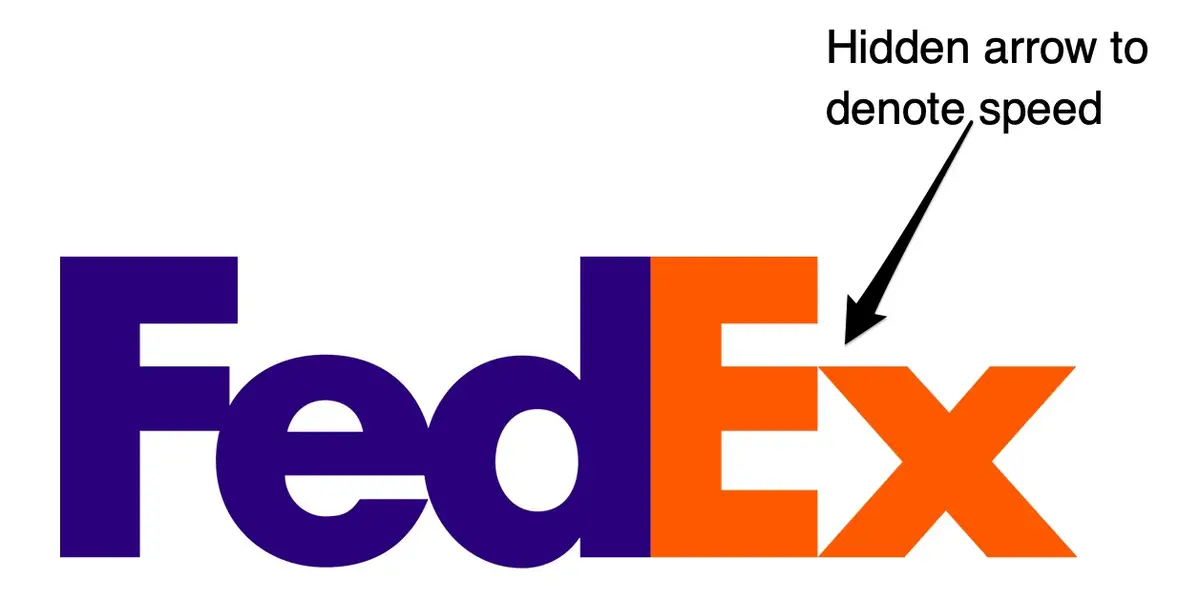
FedEx (hidden arrow) — The negative space between ‘E’ and ‘x’ forms an arrow, subtly reinforcing speed and precision. This is discoverable design, not subliminal manipulation.
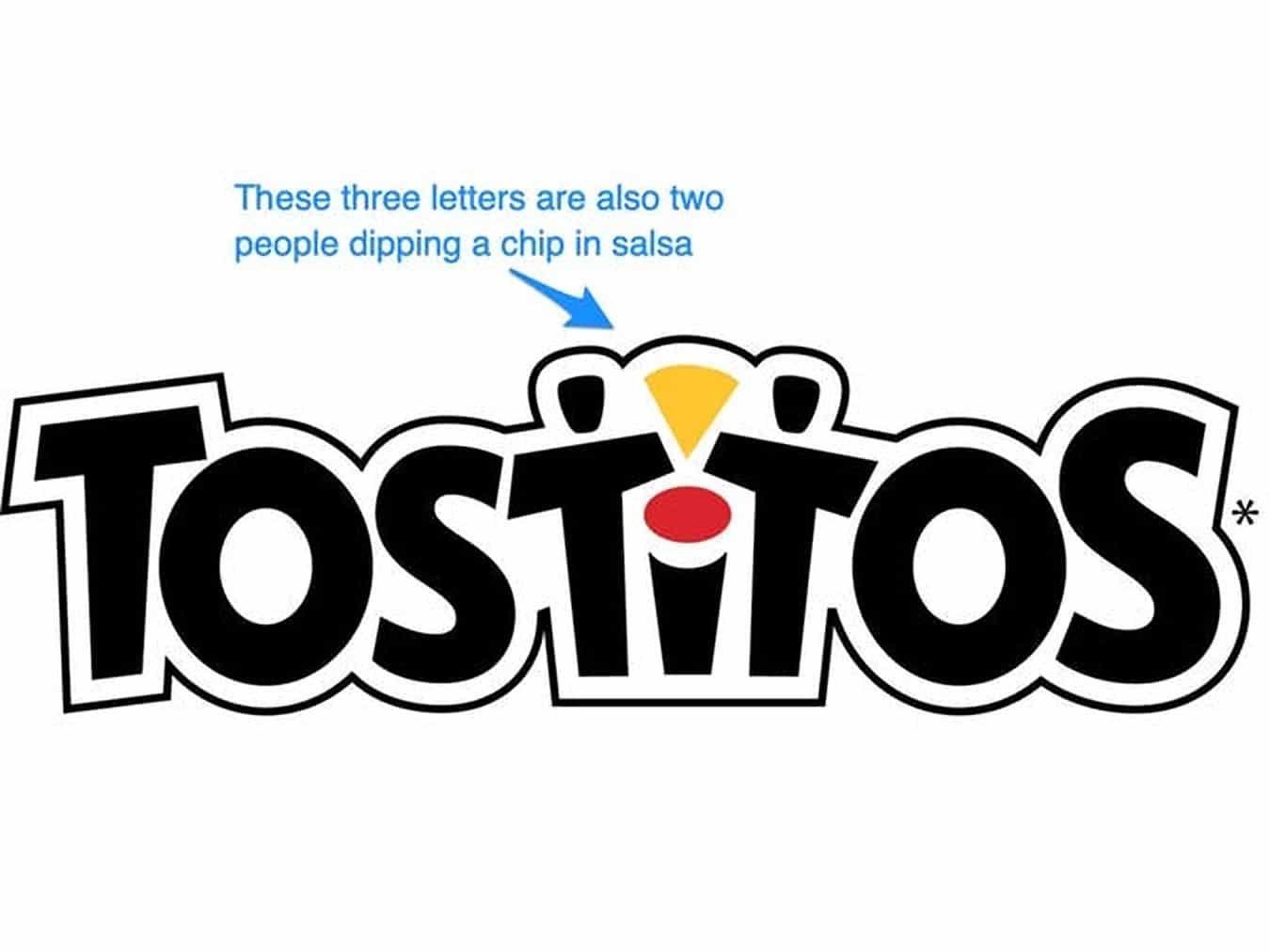
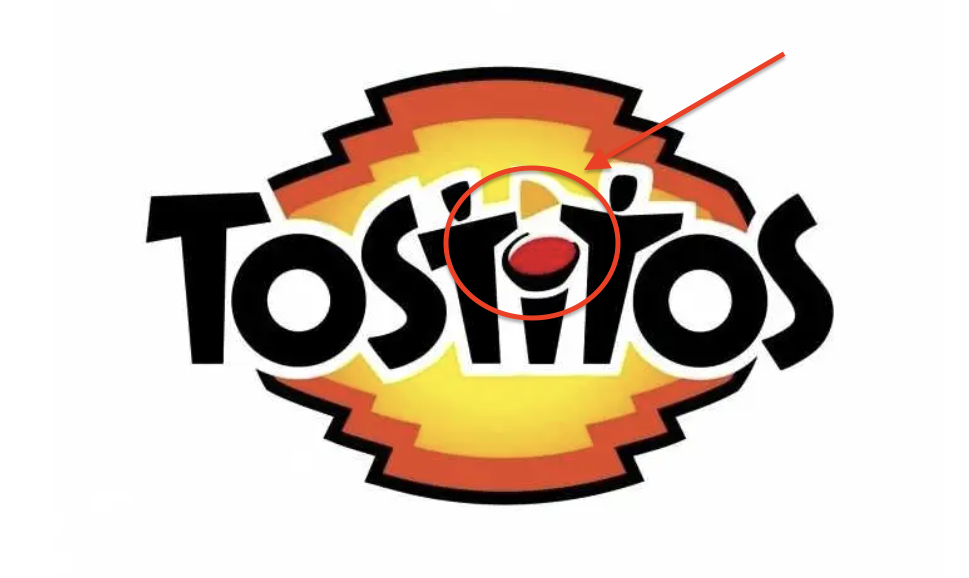
Tostitos (sharing chips) — Two ‘T’s in the logo look like people sharing chips over salsa (the dot). Reinforces social eating.
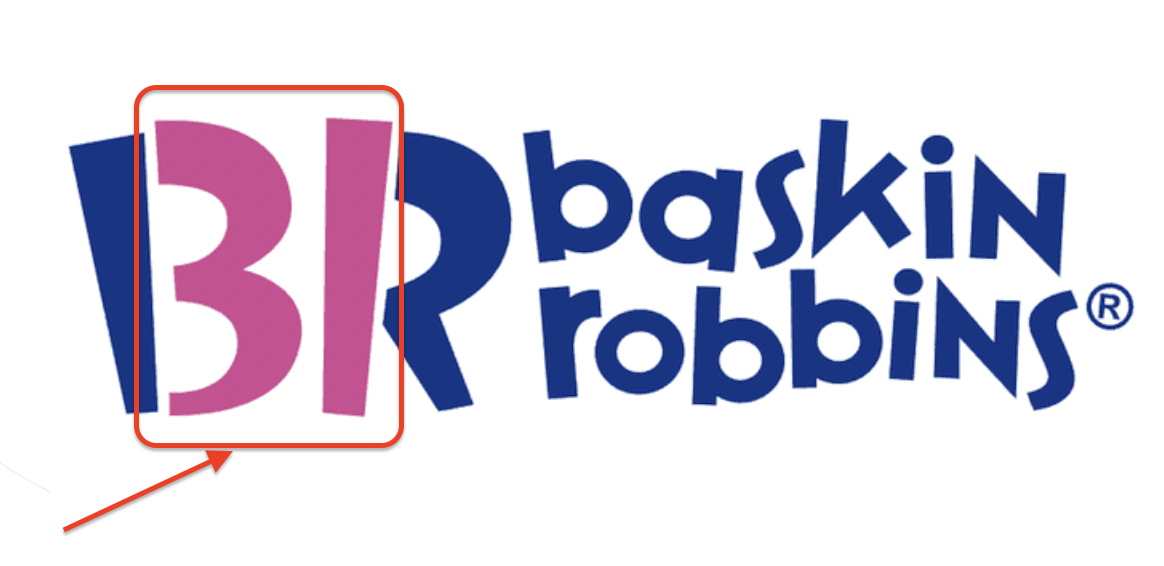
Baskin-Robbins “31” — The ‘B’ and ‘R’ contain ’31’ in pink, referencing their famous 31 flavors.
Toblerone (hidden bear) — The mountain logo contains a bear, referencing Bern, Switzerland (the “city of bears”).

Actual Subliminal Controversies
McDonald’s ad & Food Network flash frame — In 2007, the Food Network allegedly flashed a McDonald’s logo during Iron Chef. Whether intentional or technical error remains disputed, but it sparked massive backlash.

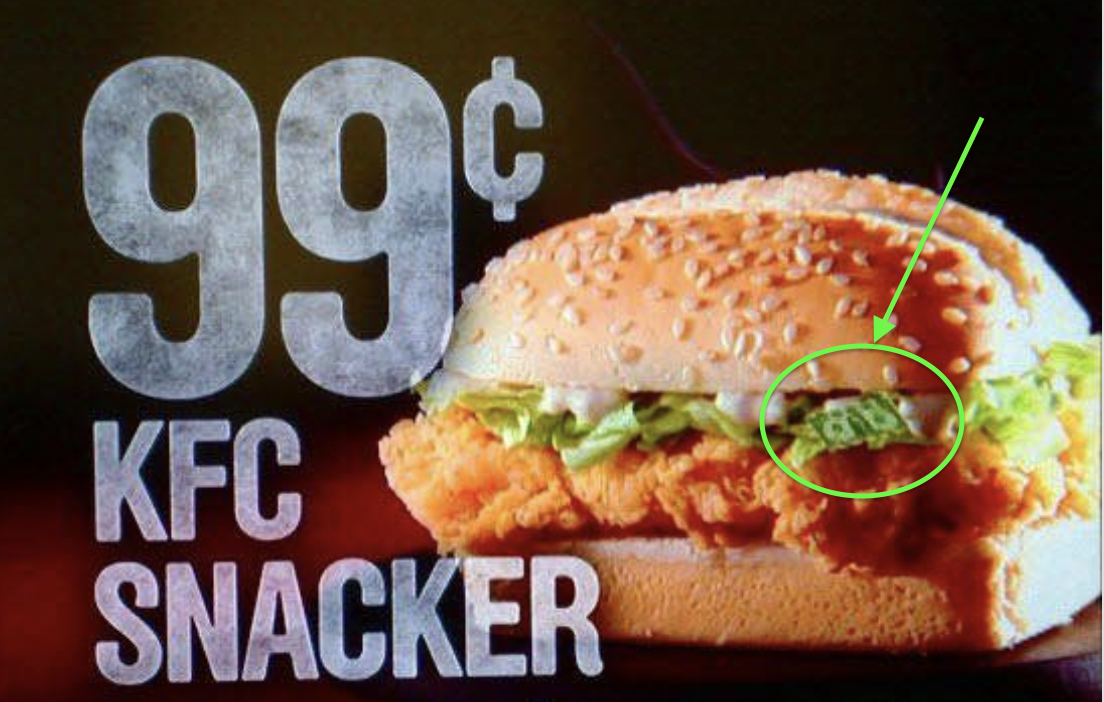
KFC Dollar Snacker hidden dollar bill — A KFC ad supposedly contained a subliminal image of a dollar bill in lettuce, though this was never definitively proven.
2000 Presidential “RATS” ad — A Republican campaign commercial against Al Gore briefly flashed the word “RATS” extracted from “bureaucrats.” This became one of the most documented examples of subliminal advertising in political ads, leading to the ad’s withdrawal.

Husker Du arcade game — The 1973 arcade game flashed “Get It” messages between gameplay screens, becoming an early documented case of subliminal advertising attempts.

When Subliminal Goes Wrong
Marlboro F1 barcode controversy — When tobacco advertising was banned, Marlboro allegedly created a barcode pattern on Ferrari F1 cars that subconsciously evoked their logo design—leading to investigations and removal.

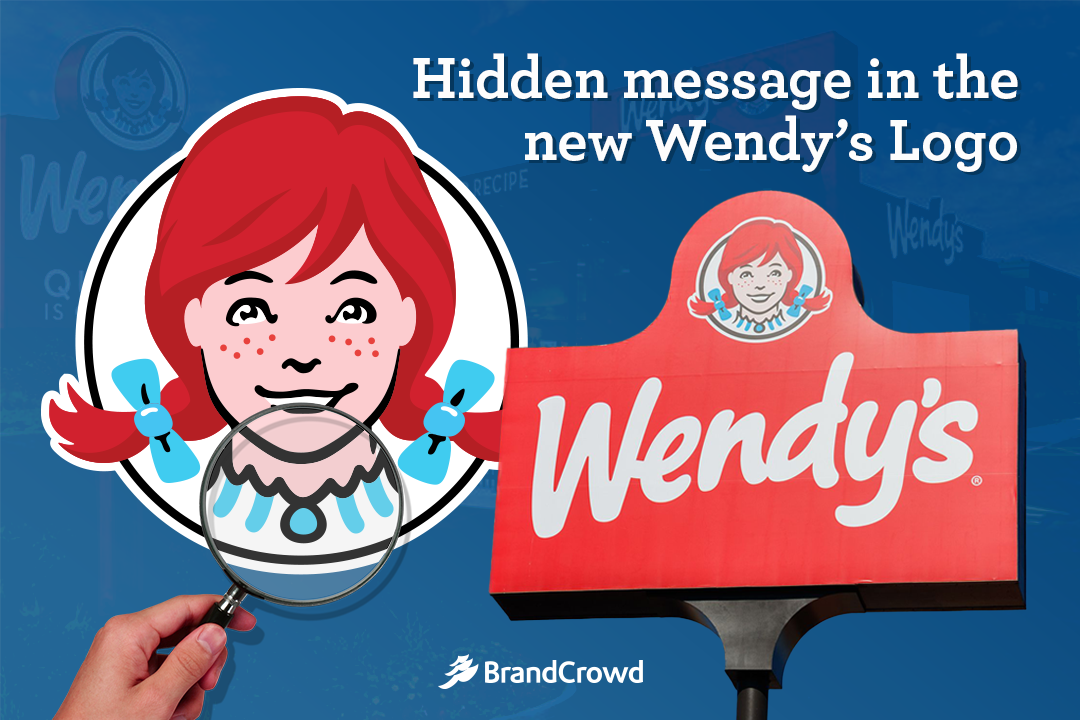
Wendy’s “MOM” collar — Conspiracy theorists claimed Wendy’s logo contained the word “MOM” in her collar ruffles, supposedly triggering subconscious comfort associations. Wendy’s denied intentional design.
Coca-Cola truck urban legend — Persistent rumors claim a Coca-Cola Christmas truck ad contained subliminal sexual imagery in ice cubes. No credible evidence supports this, yet it remains one of the most cited examples of subliminal advertising myths.

Why Subliminal Advertising Usually Backfires
Even if subliminal techniques worked reliably (which research suggests they don’t in most contexts), brands face enormous risks:
The Backlash Factor
Modern consumers are savvy. When subliminal manipulation is discovered—even if unintentional—brand perception craters. Social media amplifies scandals instantly, turning a clever marketing trick into a PR disaster.
Legal Exposure
Beyond the question “is subliminal advertising illegal,” there’s civil liability. Class-action lawsuits, FTC investigations, and regulatory penalties can cost millions more than any subliminal campaign could generate.
The Effectiveness Paradox
For subliminal advertising work effectively, messages must remain below conscious awareness. But once discovered, they lose any subliminal power—and gain massive negative attention. It’s a lose-lose scenario.
Trust Erosion
Research from the Journal of Marketing Research shows that perceived manipulation—even in ethical gray areas—permanently damages customer relationships. One study found subjects evaluated photographs of brands more negatively after learning about subliminal attempts, regardless of whether those attempts actually influenced them.
How to Use Psychological Influence Responsibly

Smart brands skip the subliminal gimmicks and focus on ethical psychological marketing that respects consumers while still influencing the subconscious mind.
The Framework for Ethical Influence
Principle 1: Transparency Over Trickery. Use psychology openly. Color choices, layout design, and emotional appeals work better when consumers can see them—they just don’t consciously analyze every element.
Principle 2: Value Addition Every marketing element should add genuine value. If a technique only serves manipulation without improving user experience, it’s ethically questionable.
Principle 3: Respect Cognitive Autonomy Consumers feel empowered when they make informed decisions. Marketing that educates while persuading builds longer-term loyalty than manipulation ever could.
Tactics That Work (Ethically)
- Strategic color psychology in branding and website design influences mood and associations without deception.
- Social proof leverages real testimonials and user data to reduce purchase anxiety.
- Scarcity and urgency when genuine (limited inventory, flash sales) create motivation without manufacturing fake pressure
- Storytelling that emotionally resonates creates authentic brand connection.s
- Sound branding with memorable audio signatures fosters recognition through repetition, rather than subliminal exposure.
Subliminal Advertising in the Digital Age
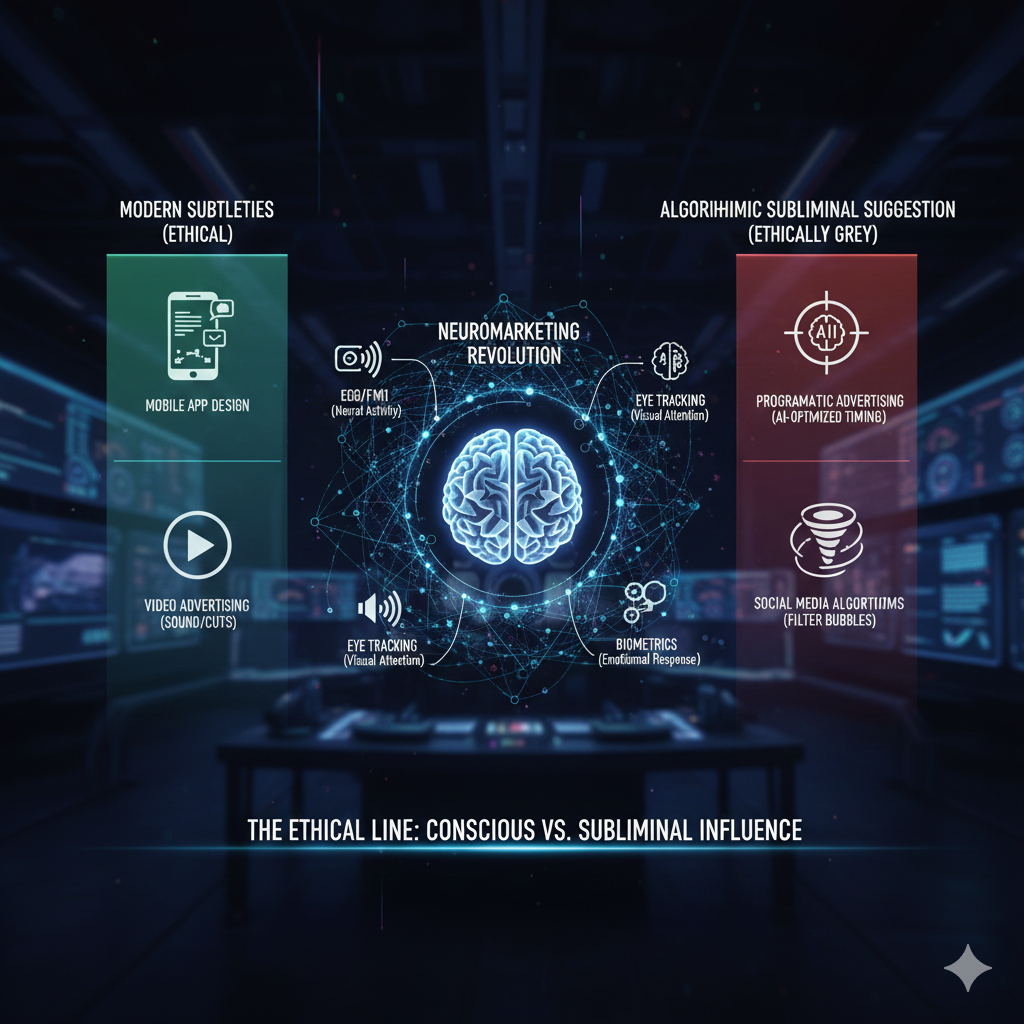
Modern digital marketing has created new possibilities—and new ethical considerations—for the use of subliminal techniques.
Where Subliminal Elements Appear Today
Video advertising on streaming platforms could theoretically embed flashed subliminal messages, though platforms actively monitor for such practices.
Mobile app design uses micro-animations and subtle visual cues that influence unconscious cognition without crossing into subliminal territory—these are consciously perceived but not consciously analyzed.
Programmatic advertising powered by AI can optimize ad delivery based on user psychology, targeting when someone’s most susceptible without their explicit awareness—a form of algorithmic subliminal suggestion.
Social media algorithms prioritize content based on psychological triggers, creating filter bubbles that influence consumer behavior and political opinions—arguably the most powerful form of modern subliminal influence.
The Neuromarketing Revolution
Marketing experts increasingly use technology to understand how the brain responds to advertising:
- EEG and fMRI measure neural activity during ad exposure
- Eye tracking reveals where attention naturally flows
- Biometric responses capture emotional reactions before conscious awareness
These tools don’t require subliminal advertising to be effective—they simply optimize conscious marketing based on subconscious responses.
Future Trends: Where Subliminal Marketing Is Heading
AI-Personalized Subliminal Cues?
As artificial intelligence becomes more sophisticated, the potential for personalized psychological targeting increases. AI could theoretically:
- Detect a person’s mood through device usage patterns and serve emotionally targeted content
- Identify psychological vulnerabilities and optimize messaging accordingly
- Create dynamic advertising that adjusts subliminal elements in real-time based on biometric feedback
The ethical implications are staggering. Without proper regulation, AI-driven subliminal marketing could manipulate consumers on an unprecedented scale.
AR/VR Embedded Influence
Augmented and virtual reality environments create immersive experiences where subliminal techniques could be harder to detect. Environmental cues, spatial design, and subtle prompts embedded in virtual worlds may influence behavior without the obvious markers of traditional advertising.
The Regulatory Challenge Ahead
As technology enables more sophisticated influence techniques, the distinction between ethical persuasion and manipulation becomes increasingly blurred. Determining factors for regulation will likely include:
- Intent to deceive vs. optimize user experience
- Degree of consumer awareness and consent
- Potential for exploitation of vulnerable populations
- Impact on free will and autonomous decision-making