Most webmasters and marketers put their heart into creating the perfect content marketing strategy. But then sometimes the results they see just do not match their hard efforts. Has this ever happened to you? If so, you are not alone.
Sometimes, the issue is your web hosting company. So, in this post, we’ll discuss why the wrong web hosting can frustrate even the best content, and how you can fix this.
Web Hosting and Online Presence: What’s the Link?
These two things might seem unconnected at first, but that’s far from the truth. Believe it or not, you need a good web hosting to even stand a chance online, especially if you are in a pretty competitive niche. Overall, your web hosting can affect things like:
#1 Core Web Vitals and Online Performance
It’s not news that the websites that load fast are the ones that manage to show up on the first page of SERPs.
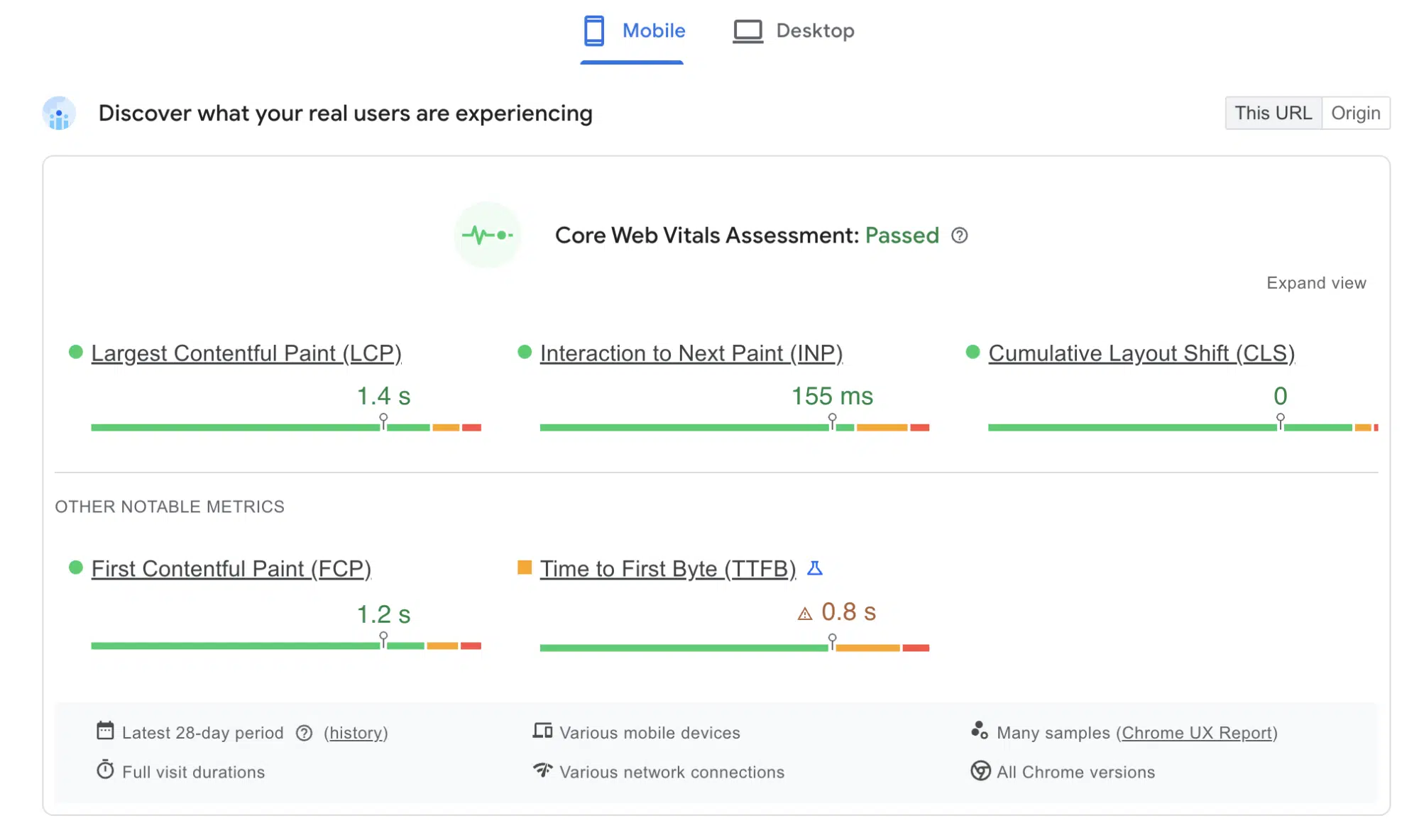
But today, “fast” doesn’t just mean how quick a page feels. To measure this, you need to understand how well your site performs in terms of Google’s Core Web Vitals. These are the metrics Google uses to judge user experience.
You can check it for free with PageSpeed Insights. After running a quick scan, you’ll see a couple of metrics that might sound confusing (LCP, INP, etc.).
While all of them are important, the absolute non-negotiable is the TTFB (Time to First Byte). It measures how quickly your server responds when someone tries to load your site.
#2 Data Protection and Online Safety
Data protection, device security, and overall online safety are big issues. There have been way too many cyber attacks and data leaks over the past decades. Some of these cost businesses to spend a fortune before gaining their sites back. Not to mention the costs of trying to restore customer trust.
But security isn’t just a technical concern anymore. It’s a psychological one.
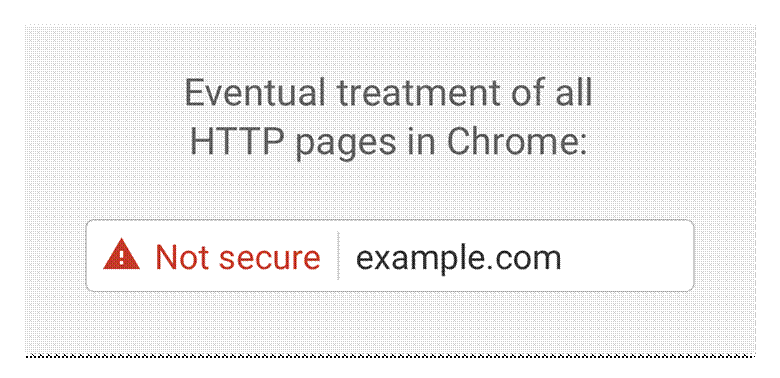
Most people avoid pages that don’t look safe. And when visitors see that “Not secure” label next to your URL, your sales funnel basically dies before it even begins. Because who wants to sign up to anything, or especially buy something from a page that isn’t safe?
Probably you’ve seen this label next to some URLs in your browser. This is Google literally saying that it might be dangerous here.
And this is where two things really matter:
- SSL certificates. They’re what turn your site from “not secure” into “secure.” Without one, every visitor will doubt you before they even read a single word of your content.
- Malware mitigation. Even sites that look secure can lose everything overnight if they get infected. One breach can lead to blacklisting and reputational damage that’s incredibly hard to rebuild.
What this means is that if you use web hosting providers that don’t take security seriously, you pay the price.
At the end of the day, this is essential if you want your content marketing and SEO to work. Even if you’re creating the most valuable blog posts, buying backlinks, and getting more insights from professional SEO tools, it won’t matter much without a secure site.
#3 Uptime Reliability and Organic Traffic
You want your website and blog posts to be online and available 24/7. If your hosting company gets a lot of downtime, that means you’re not just losing traffic. You’re paying an opportunity cost every single minute your site is offline.
Because downtime doesn’t only mean “missed visits.” It also means missed leads and sales.
You can’t afford to have people miss your campaigns after you’ve invested so much into them. Ultimately, every minute your site is unavailable represents ROI that never comes back.
And let’s be honest: it’s only going to take a few times for users to keep getting a “this site is unavailable” message before they go elsewhere. Most of them will not bother to return, especially if they now know where else to look for alternatives.

As a result, your traffic metrics and profits will sink lower, and your brand credibility will start to suffer.
So, if you don’t want this to happen, you will need a solid hosting that guarantees your pages will be online. This way, your content marketing will make sense and bring results.
#4 Server Location and Local SEO
If your content marketing strategy is focused on a particular region, then your server location will have a lot of impact on your sales.
Basically, the idea here is simple — the closer your server is to your customers, the faster your site loads. And the faster your site loads, the fewer people will leave without even checking it out. That’s why it is really important to check this little (not so little) detail.
But what should you do if you have a global audience? There is also a solution for this. Find a hosting provider that offers a CDN service.
If this is a new concept to you, it means that your site’s content will be accessible from servers scattered across the world. It’s a simplified explanation, but you get the idea. Often, many hosting providers have this as an option in some of their plans, so take a look at this.
Still, if you’re targeting audiences in different regions, just getting a hosting with CDN won’t be enough to have great visibility. You’ll also need to do local SEO in each area. For this, Nichehacks recommends getting some quality location- and niche-relevant backlinks to help improve your digital presence.
#5 User Experience and Conversion Rates
The impact of your web hosting goes far beyond just better SEO performance. It also influences the overall impression people get about your site.
It’s tough to stand out online. That’s why so many webmasters invest heavily in different kinds of content to improve their sales funnel. You can read a more detailed breakdown of how you can improve your funnel here. But guess what?
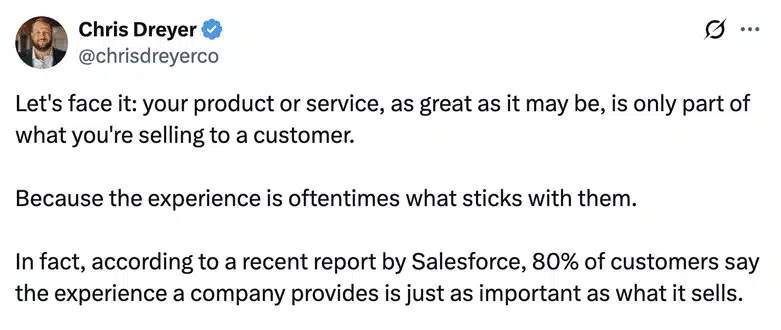
Customers will still judge your business by the level of experience they’re getting on your website. And well, we all understand that you can only convert happy customers.
Now add one more layer to this: server overhead.
Modern websites don’t run on content alone. They rely on tracking pixels, analytics tools, CRM integrations, heatmaps, chat widgets, etc. If you get a low-tier hosting, your MarTech stack can slow your site down tremendously.
That’s why high-performance hosting isn’t just a “nice to have” element. It’s what allows your tools to work without hurting the experience.
After all, a stable and reliable hosting gives you that foundation that helps provide a good customer experience. All that fast load speed and minimum downtime add up to provide great usability.
It also makes it much easier for people to take any desired actions and actually click those CTAs you’ve been polishing for so long.
How to Choose the Best Web Hosting for Content Marketing Success
Now you understand how much effect your web hosting can have on your content management efforts, what’s next? You want to apply all that understanding when shopping around for a hosting solution.
You already know to go for one that offers speed, minimal downtime, and security. But that’s just the beginning. You’ll also want to narrow it down to the one that offers you:
#1 Scalability
Scalability today isn’t just about growing over time. It’s also about elastic resource allocation. This refers to your hosting’s ability to handle spikes when they happen.
Think about a post that goes viral overnight. Or a product launch that suddenly drives thousands of visitors in a few hours. How will your hosting “react” to that? Without flexible resources, even a great campaign can turn into a missed opportunity.
If you ignore this at the beginning, you’ll end up struggling when your traffic increases. But with a hosting plan that scales on demand, you can actually feel confident when you launch something big.
The next time you run a large creative marketing campaign, you will be able to sleep with both eyes closed. Because you’ll know that your website can handle the expected traffic uptick easily.
#2 Plugins, Themes, and Other Integrations
There is a reason why many people seem to opt for CMS platforms like WordPress, Webflow, Shopify, etc. They all have a great ecosystem that helps businesses integrate their current workflow easily.
So, when it comes to hosting, you want to check if it works well with the system you already have in place. No one will change the tools they use just because something doesn’t work well with the new hosting.
Another major question is staging environments and whether you can test changes safely. A staging environment is a copy of your live site where you can try new plugins, themes, layouts, updates, etc. All without risking your real website.
This is important because if something goes wrong, it won’t hurt your web performance or lead to broken pages and downtime.
That’s why make sure your provider supports this kind of workflow and fits your current setup. For this, read forums and talk to their customer support. It’s a bit of a headache, but it’s much better to figure it all out from the start than to deal with this after.
#3 Reputation and Customer Support
Take the time to do your research first to find a server solution that works best for you. That means doing a little digging beyond what their landing page says. Look them up on third-party review sites like TrustPilot.
Check what their customers are saying about them on online forums. No one wants to be caught by surprise with hidden fees or useless customer support. The idea of managing a web hosting with poor service is not only awful on paper but worse in practice.
It doesn’t matter how good your content marketing strategy is if no one gets to see any of your posts. And this can easily happen if your provider’s customer support can’t be reached when there’s a problem.
#4 Backup and Disaster Recovery
We never want to think about bad things that could happen. Sure. But if you’re a business and/or website owner, you have to consider those and prepare for them (even if they never come).
That’s why backup options have to be on your “checklist” when picking a hosting. So, basically, you want your provider to have a plan for when things go wrong. This will help you recover after any potential attack, breach, or other issue.
It’s easy to forget about this, but you’ll be so grateful you haven’t.
Conclusion
Now, you know that there is an undeniable connection between your web hosting and online presence. The best thing you can do here is not to compromise and take your time to find a provider that actually has everything you’re looking for.
It might be easier said than done, but after reading this guide, it’ll definitely be much more straightforward.