What is link building in SEO? Link building in SEO is all about attracting backlinks from other websites to your own site. These links will be like online recommendations by 2026, essentially communicating to search engines like Google that your content is trustworthy. Well-planned link-building efforts do more than increase your rankings in organic search and improve your domain authority; they also get more visitors to your website.
Is your website struggling to get higher in organic search results? Perhaps you’ve improved page speed, changed keywords, and a lot more, but still, it doesn’t work. You’re not the only one. In 2026, it will require much more than “standard” search engine optimization methods to succeed.
Do you wish to rule search engine results pages? You will have to create a link-building strategy based on building trust. Nowadays, link building is not only about having technical skills; it is also about digital referrals.
It does not matter if you are doing it at your office or commissioning link-building; it is all about E-E-A-T: Experience, Expertise, Authoritativeness, and Trustworthiness. Google is increasingly giving preference to the reputation of links to a site rather than their quantity.


Why is Link Building Important in SEO Strategy?
Think of link-building in SEO as giving a stamp of approval. Whenever one more website links to your website, you’re signaling to Google, “Look, this is reliable content.” What role will link-building play in SEO in the 2026 search engine landscape? It will have an impact on three primary aspects:
- Higher Rankings: Research conducted by Ahrefs’ link-building team revealed a direct relationship between the number of domains linking to a page and the page’s ranking on the SERPs.
- Faster Indexing: If you run a well, thought, out SEO link-building campaign, Google’s “crawlers” will be able to discover your new content quicker through links coming from high-authority sites.
- Trust & E-E-A-T: Websites with high authority that feature backlinks act like third-party referrals. As per the Moz beginner’s guide to SEO, “A strong link profile establishes you as an industry leader.”
The Synergy of Pillar & Branded Content
When you use these link-building strategies in combination with your pillar content and branded content, it’s like having a “powerhouse” effect.
- Your Pillar Content gets the links because it’s useful and informative.
- Your Branded Content keeps visitors on your site because it demonstrates your unique value proposition.
As the experts at Moz point out, when you use these techniques, it’s not just about getting more visibility; it’s about becoming the authority in your niche. Without a strong link-building campaign, even great content can be hidden away on page five.
How To Implement Link Building Strategies?

Building a high-ranking site is a science. You need to treat your link-building SEO as a data-driven process.
Step 1: Start with Keyword Research
You should begin by identifying keywords that have high search volume but low competition with the help of link-building tools such as SEMrush, before creating opportunities for link building. A focus on long-tail keywords such as “best trail running shoes for wide feet” is a good idea.
Step 2: Choose Your Tactics (Quality vs. Quantity)
| Feature | Low-Quality Links | High-Quality SEO Link Building |
| Source | Link farms/Spam | Niche-relevant, high-traffic sites |
| Risk | High (Google Penalties) | Low (White Hat Link Building) |
| SEO Impact | Negative or stagnant | Long-term authority growth |
Step 3: Execution
For SEO link building to work effectively, you should employ white hat link building (naturally attracting links), broken link building (fixing “dead” links), and hire a link-building company to help.
Key Takeaway: Generally, a link-building campaign that succeeds is not a short-term effort; it is a long-term one. Persistently doing link-building outreach will sooner or later put you ahead of your competitors.
Understanding Link Building for SEO Strategy

What exactly is SEO Link Building? At its heart, it’s a way of communicating to Google that your content is trustworthy and valuable. High-quality backlinks to your website can be thought of as a “vote of confidence” to help you rise up the ranks and gain more customers.
The Three Main Types of Backlinks
Not all links are created equal. For an effective link-building SEO profile, you need to have a mix of:
- Natural Backlinks: This is where people find your content and decide to link to it because it is just that good.
- Pro Tip: Create link bait like original infographics or data studies that people will want to share.
- Editorial Backlinks: This is the “gold standard” of white hat link building. This is where people find your content useful enough to cite you as an expert in your niche.
- Outreach Backlinks: This is where you actively seek out link building. This is where you contact people and show them that your content is exactly what their audience is looking for.
Link-Building Techniques for Pillar Content
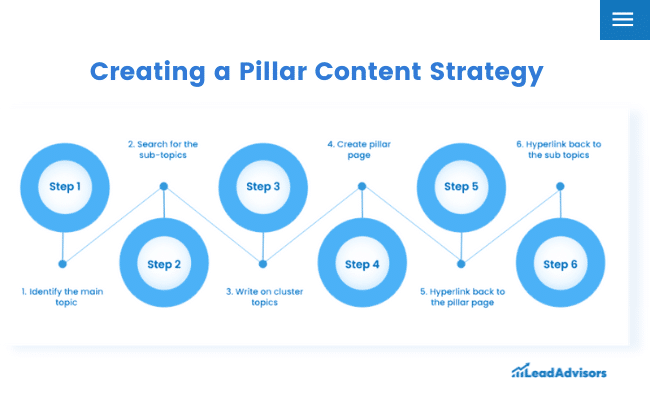
The “pillar content” you create is the foundation of your website. Due to the sheer depth of your content, you will attract many SEO links. Here is the way you can maximize the potential of your content:
Master Internal Linking SEO
You shouldn’t neglect the links you already have. Internal linking for SEO will help you better understand your website. You can provide context to the search engine by using “anchored text,” which is the text that will be visible in the link. For example, instead of “click here,” you can use “advanced link building strategies for SEO.”
Guest Blogging & Promotion
The promotion of your content is the key. You must share your content on social media and reach industry experts through email marketing. Guest blogging is another way of building SEO links. You will reach new people and get a high-quality backlink.
Link-Building Strategies for Branded Content
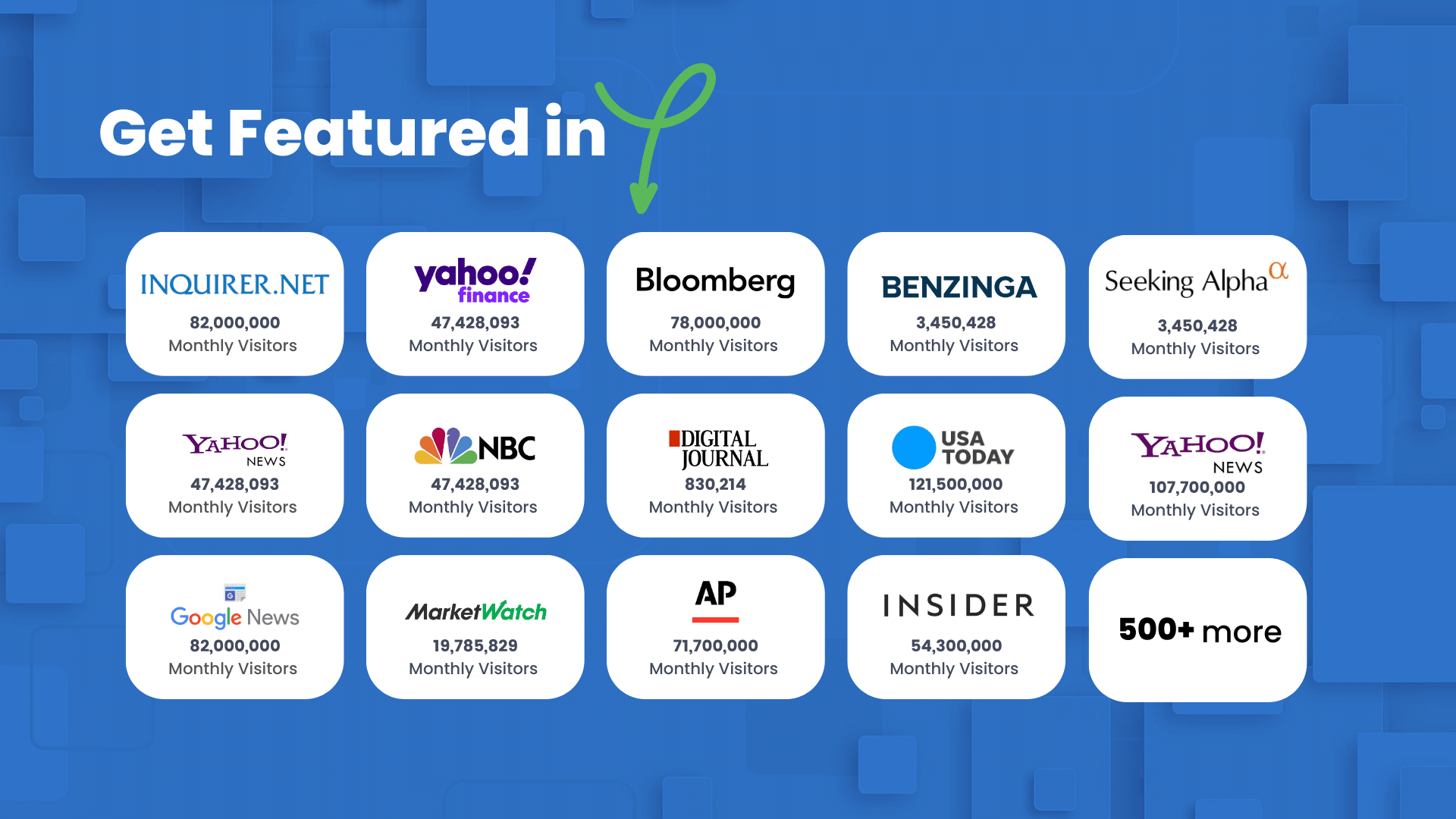
Your branded content is how you tell your story. To become an authority in this area, the key is relationships and reputation:
- Relationship Building: Engage with influencers and bloggers on social media. Doing so often leads to natural backlinking opportunities. You may read our blog about Influencer Marketing to know more.
- Content Partnerships: Partner with brands that complement but do not compete with yours to host webinars or produce reports.
- Resource Link Building: Create “power assets” such as whitepapers or guides. When this content is recognized as the “go-to” source, other sites will naturally provide keyword backlinks to it.
- Link Reclamation: Sometimes other sites mention your brand but fail to provide a link. Reach out and ask them to provide a link. It is one of the easiest ways to improve your backlink management.
Measuring Success
In order to stay at the top, it is imperative that you monitor your success. You can do this by using link-building software that will help you monitor your backlink web and keyword ranking using Google Search Console. This will help you stay focused on delivering quality link-building services rather than spam.
In the world of search engine optimization strategy, link building is an integral part. Getting external links is an effective way to boost your organic search engine ranking.
Implementing Effective Outreach Strategies for Link Building

Outreach is the engine that makes modern link building tick. In 2026, generic templates are ignored or marked as spam. If you want to succeed, you need a strategy that looks and feels human, providing value to the recipient.
1. Find the Right Opportunities
You can save time by not targeting irrelevant sites. Use best-in-class tools for link building, such as Ahrefs Link Explorer or Moz. Find sites that already rank for your target keywords. Here are some factors to consider:
- High Domain Authority: Sites that Google already trusts.
- Audience Alignment: Does their audience even care about your niche?
- Active Blogs: Sites that have not been updated since 2022 won’t be useful for your SEO building.
2. Personalize Everything
Want a response? Prove that you’ve actually read their content.
- The “Name” Rule: Make sure to address the editor or author by name.
- Reference Specifics: Mention an article they wrote that you enjoyed and why.
- The Value Prop: Instead of asking for a link, offer them something in return that will make their existing post even better.
3. Build Relationships, Not Just Links
The most effective link-building gurus understand that a “no” today could mean a “yes” tomorrow.
- Be Social: Make sure to follow your targets on social media before even thinking about sending a pitch.
- Reciprocate: If they’ve linked back to you, do the same for them.
- Follow-up: People are busy. A follow-up three days later could boost your reply rate by up to 50%.
4. Track Your Wins (and Losses)
You can’t manage what you don’t measure. Use a simple CRM tool or a link-building tool to track:
- Who have you contacted?
- What anchor text SEO have you offered?
- What emails got a response, and what emails got ignored?