Instagram’s transition to Reels and recommendation-heavy feeds has sharply reduced organic visibility for brands, pushing many marketers to look for Instagram alternatives that offer fewer restrictions and clearer reach patterns than today’s algorithm-driven feeds. Organic reach is projected to fall to about 3.5%, forcing marketers to rely more on paid distribution and broader social media strategies across multiple platforms.
Social media fragmentation adds pressure: around half of U.S. adults use Instagram, while YouTube reaches 84%, reflecting how users now spread their attention across various social media apps and social networks. Rising CPMs and CPCs — up roughly 9–11% — combined with GDPR, DMA, and ATT tracking shifts, make it harder to maintain brand visibility or drive traffic efficiently.
For modern marketers, Instagram can no longer function as the sole growth engine. A multi-platform ecosystem that supports predictable distribution, video-first discovery, community-driven engagement, and owned channels is essential for long-term ROI.
Best Instagram Alternatives by Category (Quick Comparison Table)
All attributes rewritten for acquisition, reach, tracking, and ROI.
Key Attribute Definitions (for clarity)
- Organic Reach Potential: How well content performs without paid spend on each social media platform.
- Traffic Potential: Ability to drive traffic to external websites or conversion pages.
- Ad Targeting: Depth of ad formats and audience targeting options.
- Analytics Level: How much data the platform provides for campaign analysis.
- SEO Value: Ability for content to rank or be discovered through search engine behaviors.
- Best For Marketers: Whether the channel is a good alternative to Instagram for ROI, attribution, and long-term distribution.
| Category | Platform Examples | Organic Reach Potential | Traffic Potential | Ad Targeting | Analytics Level | SEO Value | Best For Marketers? | Marketing Use Cases |
| Professional Creative Portfolios | Behance, Dribbble, Medium | Medium | Low–Medium | None | Medium | Medium (Medium = high) | Yes (for branding, not performance) | Case studies, authority building, employer branding, showcasing high quality images |
| Photographer Hubs | VSCO, Flickr, 500px, Glass, EyeEm, Foto | Medium | Low | None–Low | Low–Medium | Low | No (niche) | Visual credibility, niche communities, testing creative tools, showcasing real life brand visuals |
| Video-First Apps | TikTok, YouTube, Bluescreen | High | High | Strong (esp. YouTube) | High | Very High (YouTube) | Yes — strongest ROI | Awareness, viral content testing, evergreen discovery, full control of video workflows |
| Decentralized & Privacy-Focused | Pixelfed, Flashes, Pinksky, Vero | High (chronological) | Low | None | Low | Low | Maybe (brand safety niches) | Messaging clarity, safe UGC, community driven content, ad free environments |
| Visual Discovery & Inspiration | Pinterest, Tumblr, Imgur, Cosmos, Site of Sites | Medium–High | Very High (Pinterest) | Medium | Medium–High | High | Yes — traffic + conversions | Shopping intent, visual search keywords, moodboards, content starter packs |
| Owned Sites & Portfolios | WordPress, Squarespace, Adobe Portfolio, Exposure | N/A | Extremely High | N/A | Very High (GA4) | Very High | Yes — must-have | Conversion funnels, SEO, hosting exclusive content, maintaining full control |
| Community-First Spaces | LinkedIn, Discord, Threads, Substack | Medium–High | Medium–High | Medium–High (LinkedIn) | High | Medium | Yes | B2B reach, retention, community building, long-form content, users seeking deeper interaction |
Marketer Interpretation (What This Table Shows)
YouTube + Pinterest + Owned Channels = Top ROI Stack
- YouTube → strongest discovery + SEO permanence
- Pinterest → strongest traffic-driving power
- Website/Blog → strongest conversions + attribution
TikTok = Scale, but Attribution Challenges
- High reach potential
- Paid ads are strong but less predictable post-ATT
- Great for demand creation, weaker for demand capture
LinkedIn = Best B2B
- High visibility
- Strong targeting
- Excellent analytics
Decentralized Apps = Brand Safety Win (But Low Scale)
- Excellent for low-risk communities
- Not ideal for conversions or performance marketing
Creator Hubs = Good for Credibility, Not Acquisition
- Useful for design teams, agencies, and photographers
- Not channels to scale traffic or conversion volume
Instagram Alternatives for Professional Creatives & Designers
Behance (Adobe)
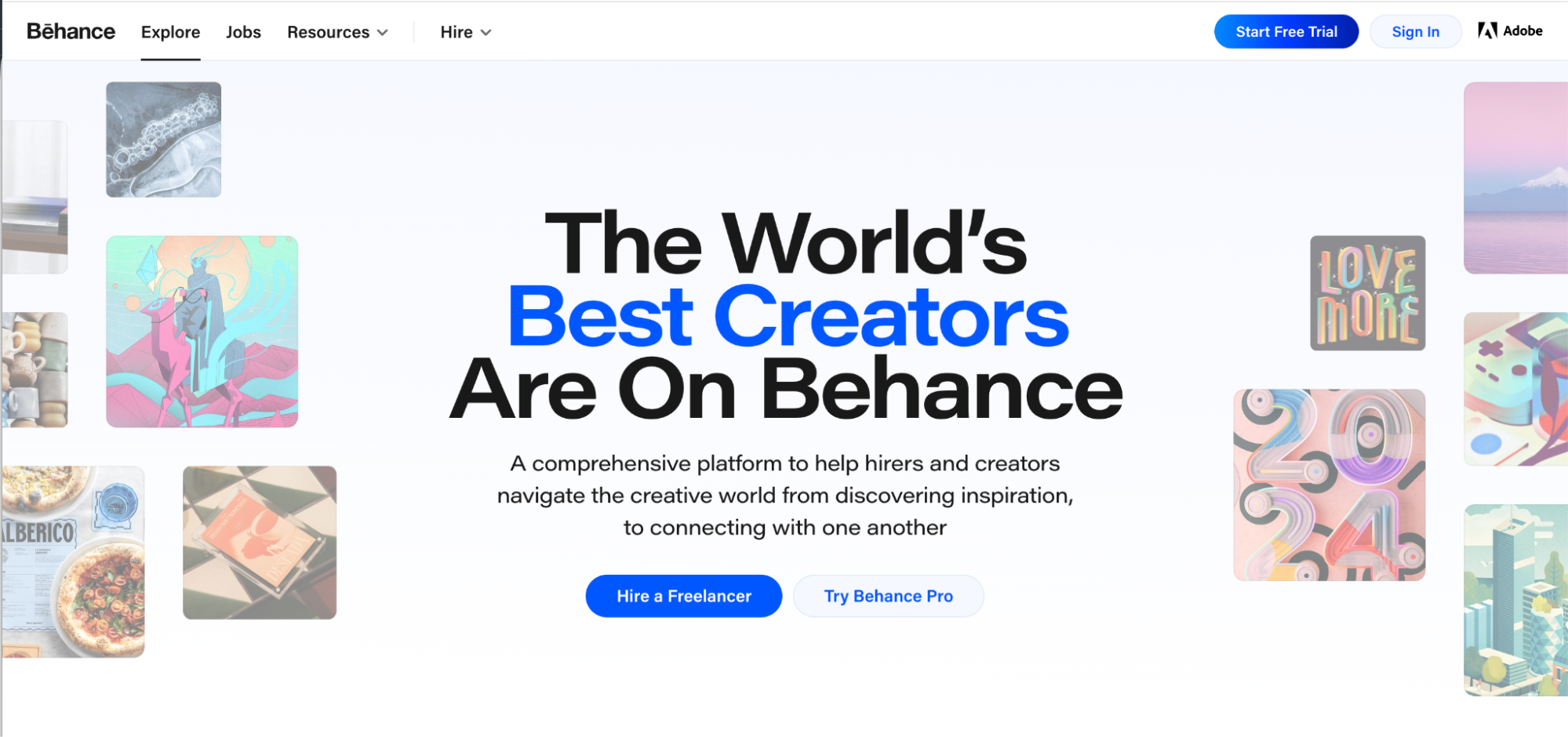
Behance is essentially a visual SEO tool that helps to locate design works, and it is a hub of trust for agencies and brands using multiple platforms to benchmark creative standards.
How brands can use it:
- Talent sourcing: Designers, animators, illustrators, and UX specialists can be identified by reviewing case studies that allow users to assess process quality.
- Thought leadership: Publishing project breakdowns helps brands share photos, workflows, and creative tools clearly.
- Case-study SEO: Google often indexes Behance projects, which helps traffic discovery across different social media strategies.
- Creative benchmarking: Identify how competitors use visual storytelling in campaigns.
Behance is a good alternative when brand authority, credibility, and long-term trust are more important than reach on any single social media platform.
Dribbble
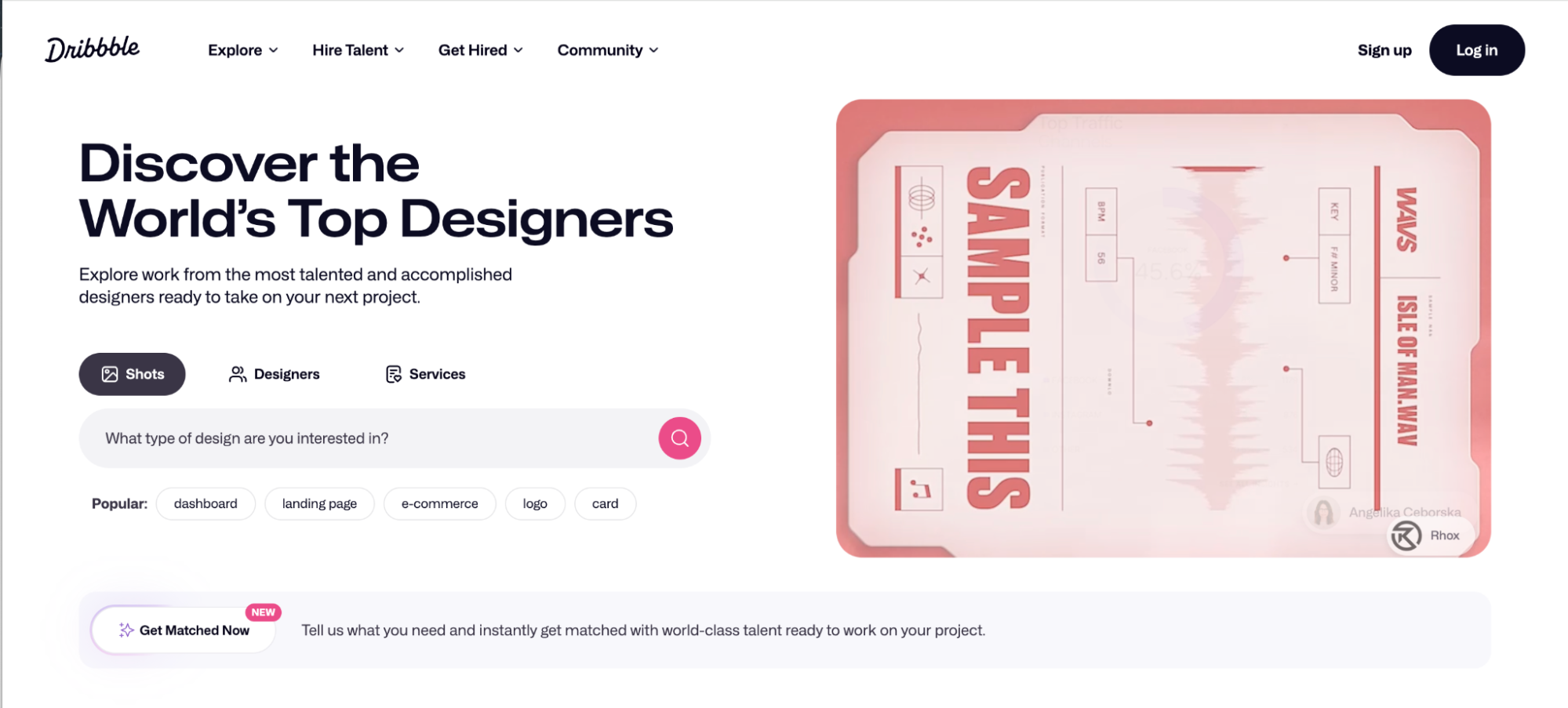
Dribbble is the visual identity playground of the internet — highly curated, aesthetics-forward, and full of top-tier creative talent inside niche communities.
How brands can use it:
- Hiring & outsourcing: Great for finding UI/UX designers, motion specialists, or branding experts.
- Showcasing rebrands: Brands can display refreshed visual systems and high-quality images.
- Tracking design trends: Discover what styles are gaining traction and influencing other platforms.
- Competitor intelligence: A fast way to understand digital experience patterns.
Dribbble strengthens brand identity work and is often a good alternative to Instagram for design-led storytelling.
Cara

Cara is an artist-friendly platform built around ethical creative work, making it appealing for brands prioritizing transparency.
How brands can use it:
- Brand safety positioning: Ideal for brands that value authenticity and fewer restrictions around AI scraping.
- Community goodwill: Engages app’s users who value human-made art across social networks.
- Ethical campaigns: Supports mission-driven storytelling.
- Influencer/artist scouting: Useful for identifying illustrators and digital artists aligned with brand values.
Cara is an alternative platform suited for brands operating inside trust-centered creative communities.
Cosmos
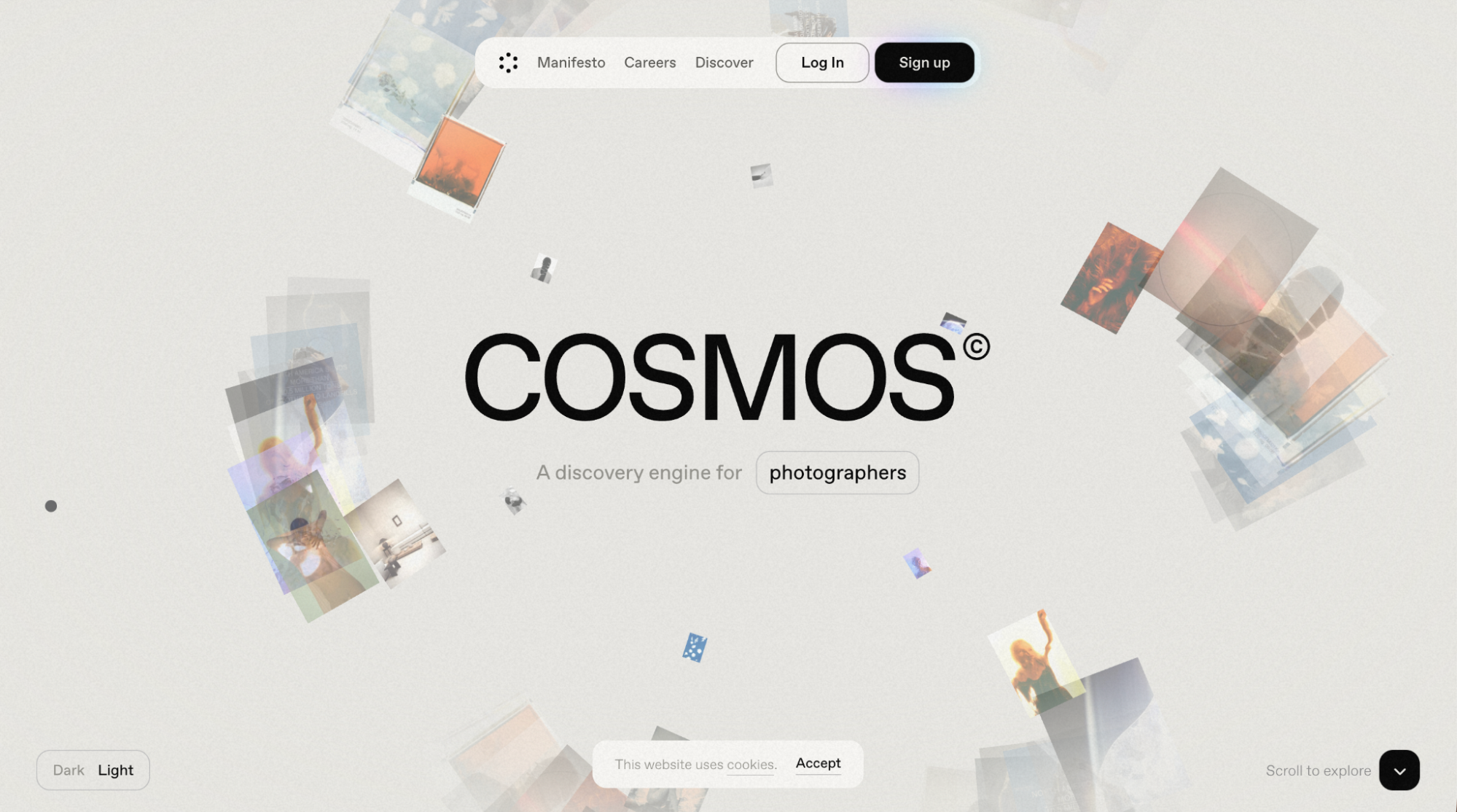
Cosmos functions as a curation and research tool disguised as a social media app, great for strategists and creative directors.
How brands can use it:
- Trend forecasting through curated moodboards.
- Creative direction planning for campaigns.
- Competitor visual mapping across different platforms.
- Campaign inspiration using high-quality references.
Cosmos supports ideation rather than distribution — ideal for brand teams developing visual storytelling.
Site of Sites
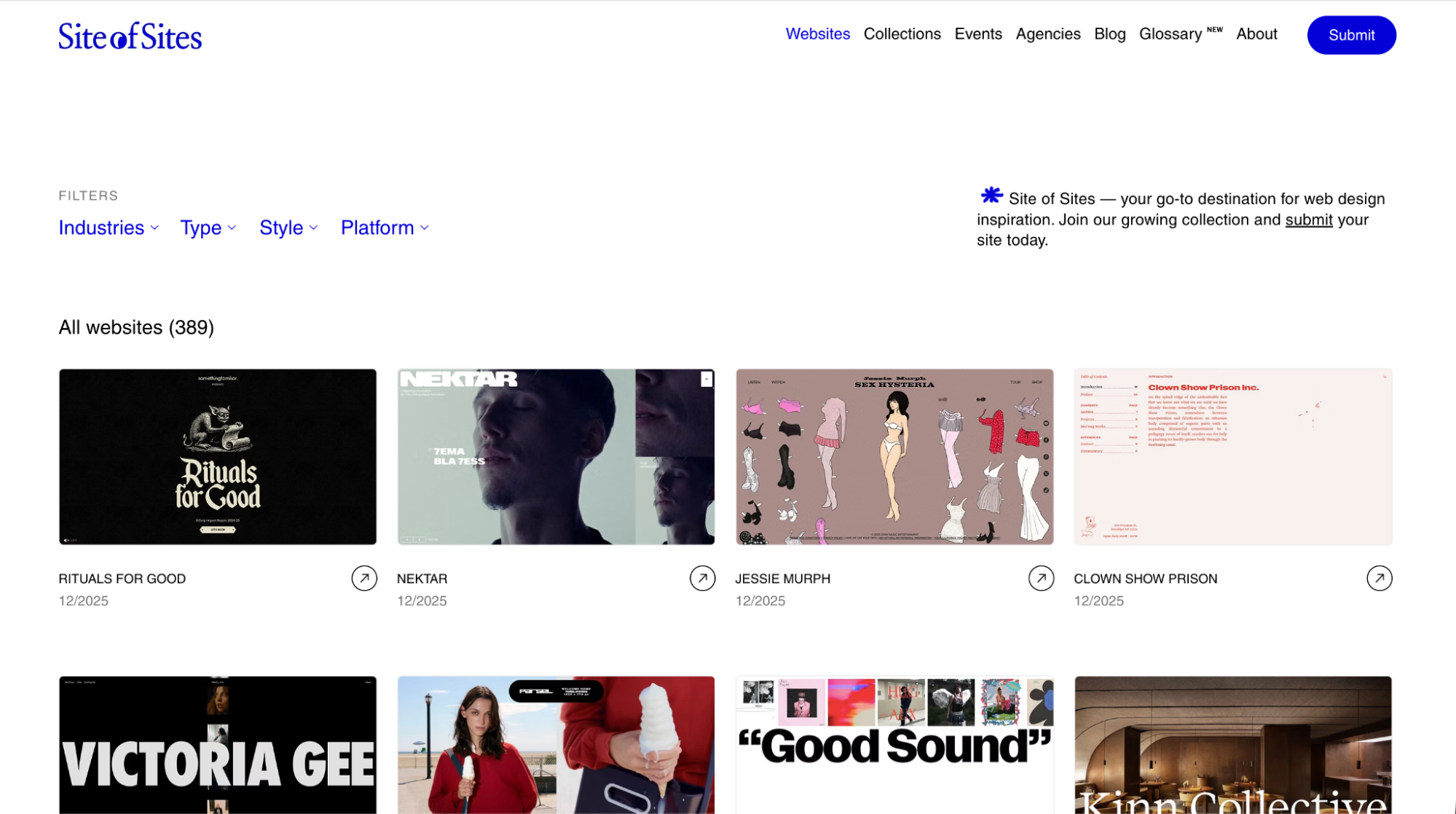
Site of Sites serves as a curated gallery of impressive digital experiences.
How brands can use it:
- UX benchmarking for onboarding, pricing, and product flows.
- Creative direction for future campaigns.
- Competitive landscape reviews.
- Client pitches using real examples.
This platform helps marketers refine brand presentation across owned channels and social media strategies.
LinkedIn (for creative professionals)
LinkedIn remains the most effective social media platform for B2B reach with strong analytics.
How brands can use it:
- Employer branding with culture stories.
- Brand storytelling through thought leadership.
- Lead generation with job-title targeting.
- Recruiting creative and marketing talent.
LinkedIn connects brand authority with measurable traffic and visibility.
Medium (for designers who want thought leadership)
Medium is a long-form platform with strong search engine visibility.
How brands can use it:
- Search-based acquisition from evergreen articles.
- Thought leadership for design and marketing teams.
- Executive voice development.
- Content repurposing for multiple platforms.
Medium acts as a high-trust, SEO-powered distribution channel — a powerful supplement to any social media strategy.
Best Instagram Alternatives for Photographers
Photo-centric platforms are not only great for creators but also valuable environments for campaign asset sourcing, influencer discovery, brand visual testing, and niche audience research.
For marketers, these social media apps provide better-quality visuals, deeper communities, and more reliable testing opportunities compared to Instagram’s compressed, Reels-first feed. Each app below supports brand, creative work, and business decisions in unique ways.
VSCO
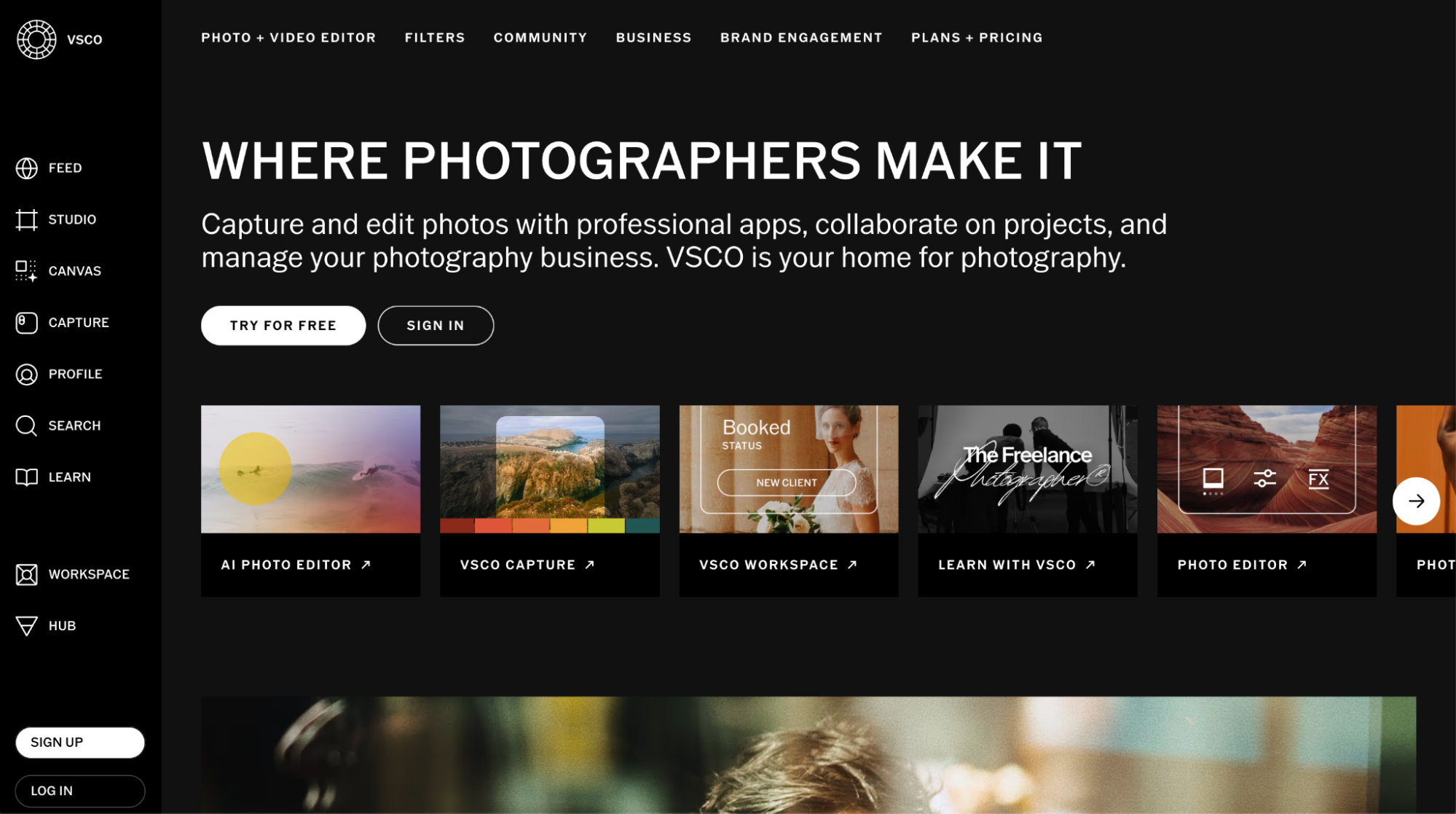
VSCO has long been known for its refined filters and editorial aesthetic — a powerful space for experimenting with brand tone.
How marketers can use it:
- Visual tone testing for campaigns using VSCO’s creative tools.
- Influencer scouting among the app’s users, especially next-gen fashion and travel creators.
- Aesthetic benchmarking for lighting and palettes.
- Creative briefs using VSCO styles to guide teams.
VSCO is a good alternative to Instagram for brands exploring mood, tone, and visual storytelling rather than chasing algorithm-driven feeds.
Flickr (classic but still relevant)
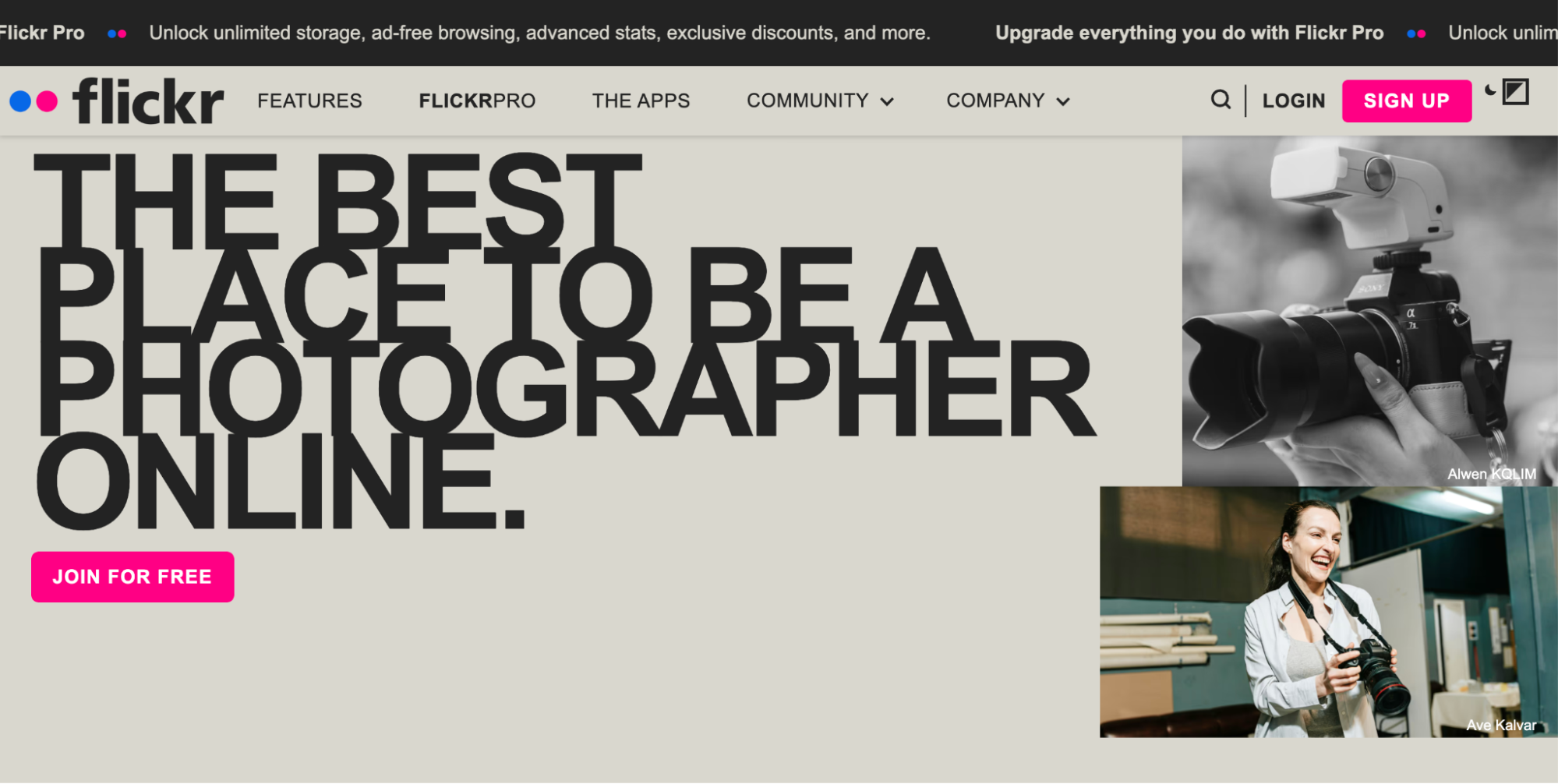
Flickr still hosts a massive archive of high-quality images and thriving niche communities.
How marketers can use it:
- Niche targeting research in verticals like travel, automotive, and tech.
- Influencer partnerships with hobbyist photographers.
- UGC sourcing via Creative Commons content.
- Market insights from image performance patterns.
Flickr supports UGC programs, sourcing, and community-based visual intelligence across multiple platforms.
500px
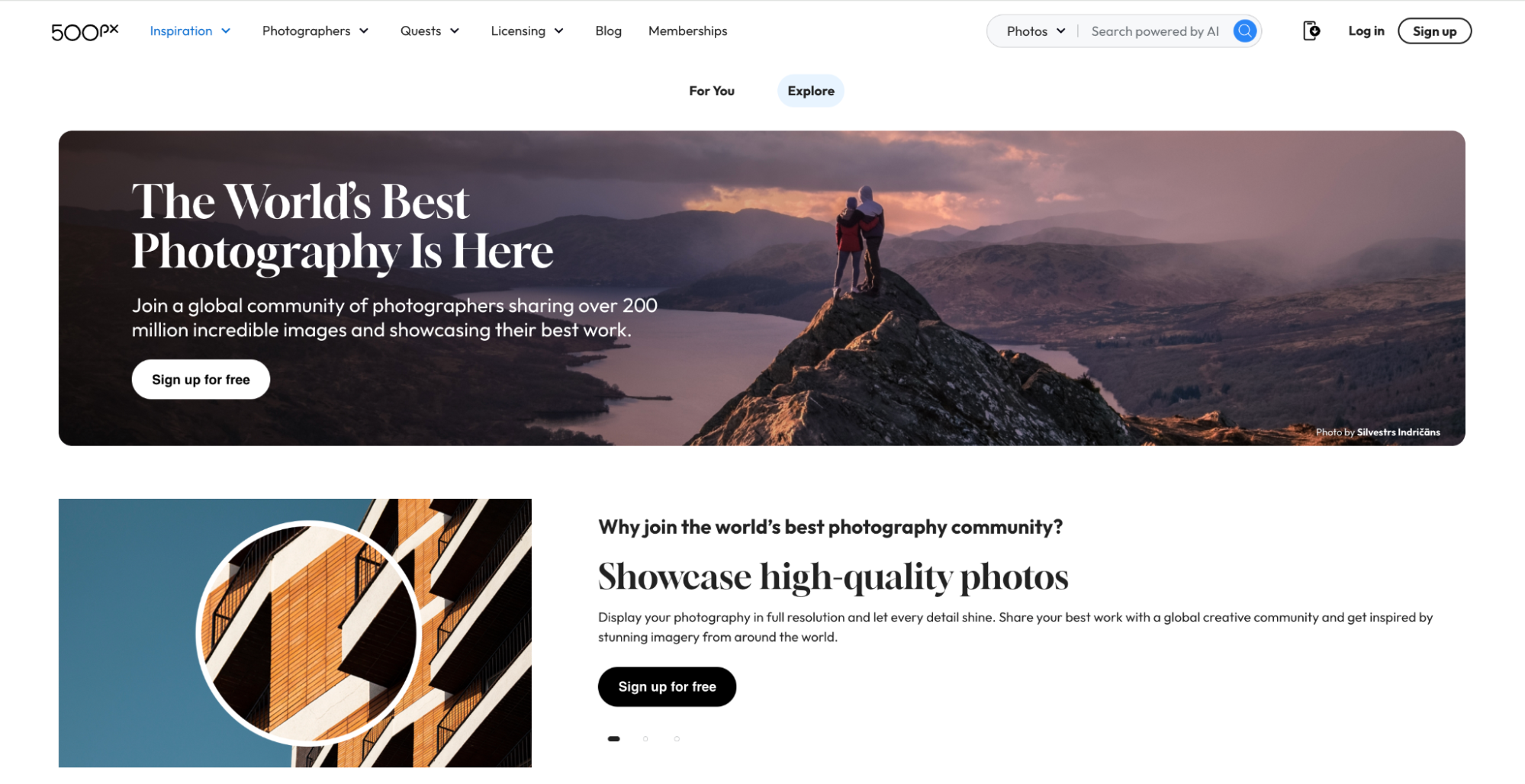
500px operates like a premium portfolio hub mixed with a licensing marketplace.
How marketers can use it:
- Commercial licensing of professional-grade photos.
- Stock-style sourcing for ads and owned channels.
- Influencer-quality creators for campaigns.
- Asset libraries for brand visuals.
500px is a strong alternative platform for brands needing polished visuals for paid campaigns or editorial storytelling.
Glass
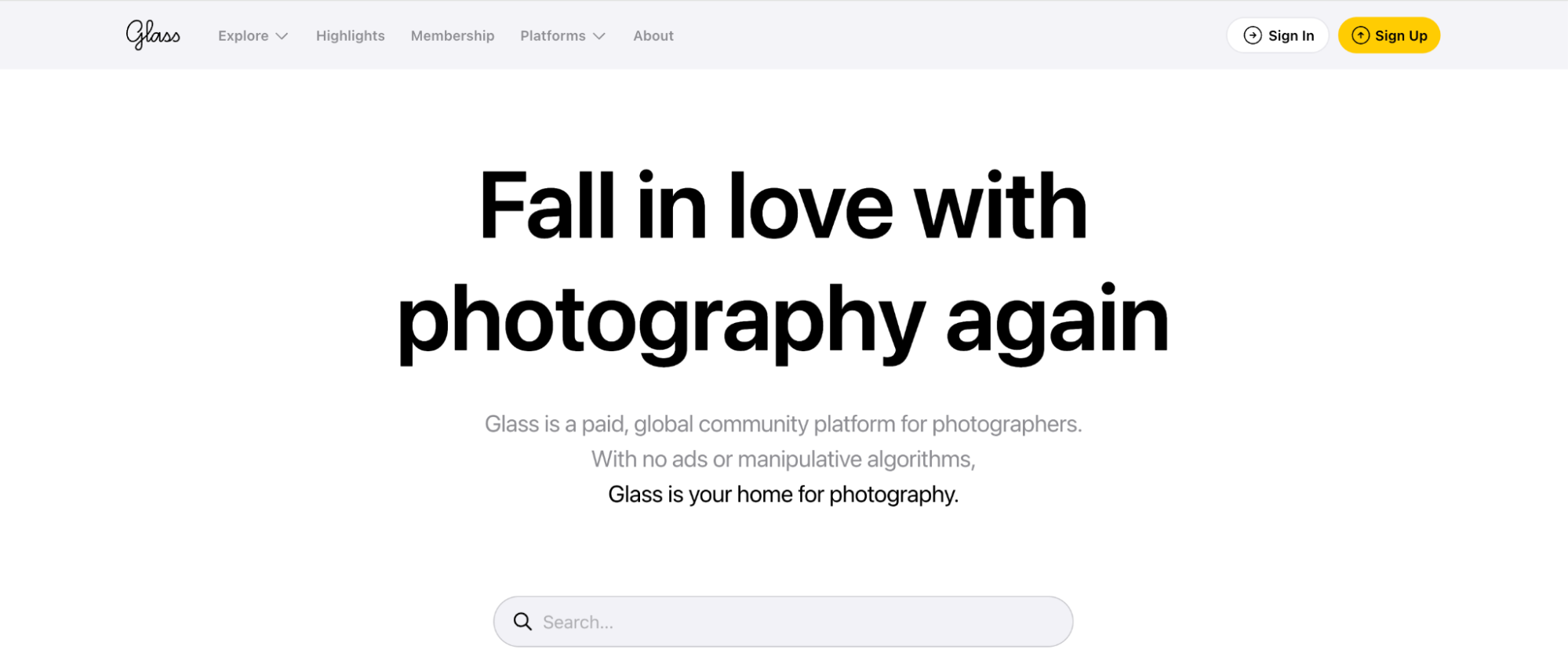
Glass is an upscale, ad-free photography community where professionals share their best work.
How marketers can use it:
- Premium creator discovery for luxury and lifestyle brands.
- Creative testing with small but discerning audiences.
- Quality benchmarking for internal teams.
- Brand collaborations in a clean, trust-first environment.
Glass is ideal for premium positioning, especially when brand identity depends on carefully curated imagery.
EyeEm
EyeEm blends community features with a commercial marketplace, making it a scalable resource for sourcing.
How marketers can use it:
- Licensing marketplace for ready-to-use campaign assets.
- Brand missions to commission themed collections.
- Influencer selection based on style alignment.
- Rapid asset development for social media platforms and ads.
EyeEm is highly effective for ongoing visual needs without heavy production costs.
Foto.app (new for 2025)

Foto.app features chronological feeds and full-resolution displays, making it a strong tool for raw creative testing.
How marketers can use it:
- Concept testing within photography-focused niche communities.
- Tone exploration through unfiltered, high-quality images.
- Micro-creator identification before costs rise.
- Art direction refinement in a distraction-free interface.
Foto is a useful research app for early-stage creative development, offering a good alternative for unbiased visual testing.
Video-First Alternatives
Video platforms have become central to modern marketing funnels. Unlike Instagram’s unpredictable algorithm-driven feeds, these social media apps offer scalable awareness, stronger discovery engines, and more dependable ROI across multiple platforms. Each video-focused social media platform below is reconsidered through acquisition, conversion, and long-term performance.
TikTok

In a very short period of time, no other social media platform has created brand awareness as rapidly as TikTok. Its algorithm pushes viral content to people who do not follow an account, allowing users to grow quickly with minimal spend.
How marketers use TikTok:
- Top-of-funnel dominance: TikTok is unmatched for reach and trend-driven engagement.
- Spark Ads: Brands can promote creator posts, a good alternative to traditional ads.
- Low CPM/CPC: Great for rapid creative testing.
- UGC at scale: Simplifies sourcing through creator tools and partnerships.
- Interest-based targeting: Effective for lifestyle, food, gaming, beauty, and more.
TikTok remains the strongest TOF engine for campaigns requiring fast discovery and culturally relevant storytelling.
Read More: The Best TikTok Alternatives: Platforms to Amplify Your Digital Presence
YouTube
YouTube is both a social media platform and the world’s second-largest search engine, giving marketers sustained visibility and conversion potential. Pew Research reports that 84% of U.S. adults use YouTube, making it one of the most active user ecosystems online.
How marketers use YouTube:
- Mid-funnel education: Tutorials and reviews support product consideration.
- Bottom-funnel conversion: Search queries often convert at higher rates.
- Evergreen SEO: Videos rank for years.
- YouTube Shorts: Massive reach at low cost.
- YouTube Ads: Deep targeting options with precise attribution.
- High-intent audiences: Users arrive ready to learn, compare, or buy.
YouTube is the most reliable long-term platform for video content, combining SEO permanence with powerful analytics.
Bluesky Video Client: Bluescreen
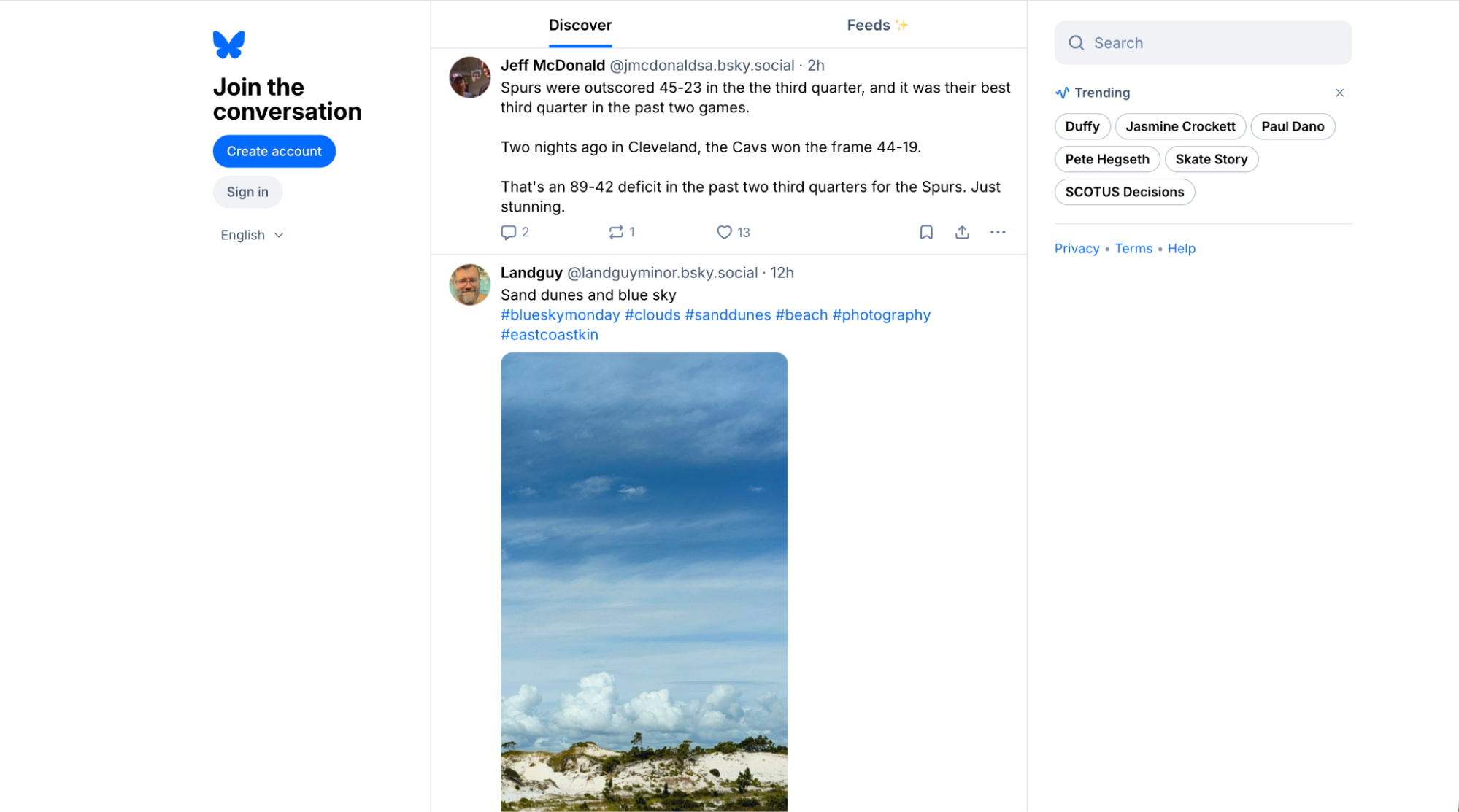
Bluescreen is a video client inside the AT Protocol ecosystem — an emerging alternative platform where early adopters still shape the culture.
Why marketers should pay attention:
- Early mover advantage: Very few brands publish here, creating unique share-of-voice opportunities.
- High-trust communities: Great for industries where privacy or transparency matters.
- Low competition: Content stands out more easily.
- Experimental ecosystem: Useful for testing formats before launching them on other platforms.
Bluescreen is like an R&D space for brands anticipating the next wave of decentralized social media platforms.
Visual Inspiration & Discovery Alternatives
Marketers view “inspiration platforms” as more than creative playgrounds — they function as real-time cultural radars across multiple platforms.
These social media apps help teams study emerging trends, observe community-driven content cycles, track meme evolution, and understand audience sentiment. Several of these Instagram alternatives are also among the strongest traffic drivers for brands, especially those relying on visual search behavior or intent-driven discovery.
Each platform below plays a strategic role in social media strategies and creative development.
Pinterest operates more like a visual search engine than a typical social feed, making it one of the most powerful Instagram alternatives for traffic and conversions.
Why Pinterest is critical for marketers:
- Best-in-class traffic driver: A single pin can drive traffic for months.
- High-intent users: Boards reveal strong user intent, and pins often contain high-quality images.
- High ROAS: Retail, lifestyle, DIY, and education brands benefit the most.
- SEO synergy: Pins appear in Google search results.
- All-funnel performance: From inspiration to purchase-ready actions.
Strategic uses for marketers:
- Campaign pre-launch boards
- Product discovery funnels
- Brand aesthetic testing
- Seasonal content planning
Pinterest is a good alternative to Instagram when the primary goal is driving traffic or long-term visibility.
Read More: Pinterest Marketing: The Ultimate Guide
Tumblr
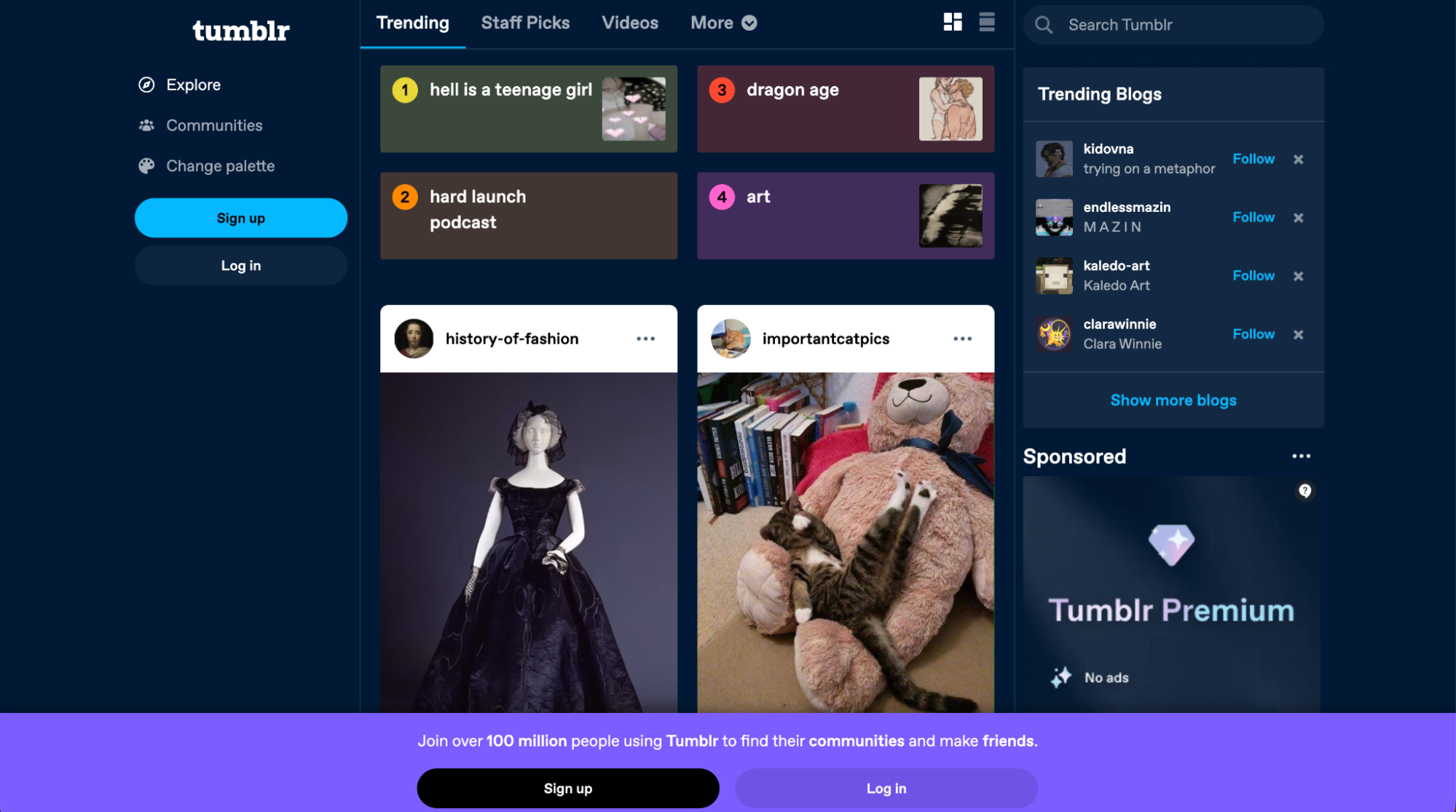
Tumblr remains one of the most culture-driven niche communities online. For marketers, it is a powerful tool for social listening and early creative testing.
Why Tumblr matters to marketers:
- Fandom-heavy ecosystem: Ideal for entertainment, gaming, and aesthetic-led brands.
- Meme birthplace: Viral content often emerges here first before spreading to other platforms.
- Tone-of-voice testing: Brands can explore authentic storytelling and character-based messaging.
- Long post shelf life: Reblogs extend content reach far beyond a typical last post window.
- Authenticity-first environment: Perfect for understanding community sentiments.
Strategic uses:
- Early meme detection
- Voice development for character-led brands
- Cultural listening for campaigns
- Fandom engagement
Tumblr works like a cultural barometer more than a performance channel — incredibly valuable for youth and identity-driven categories.
Imgur
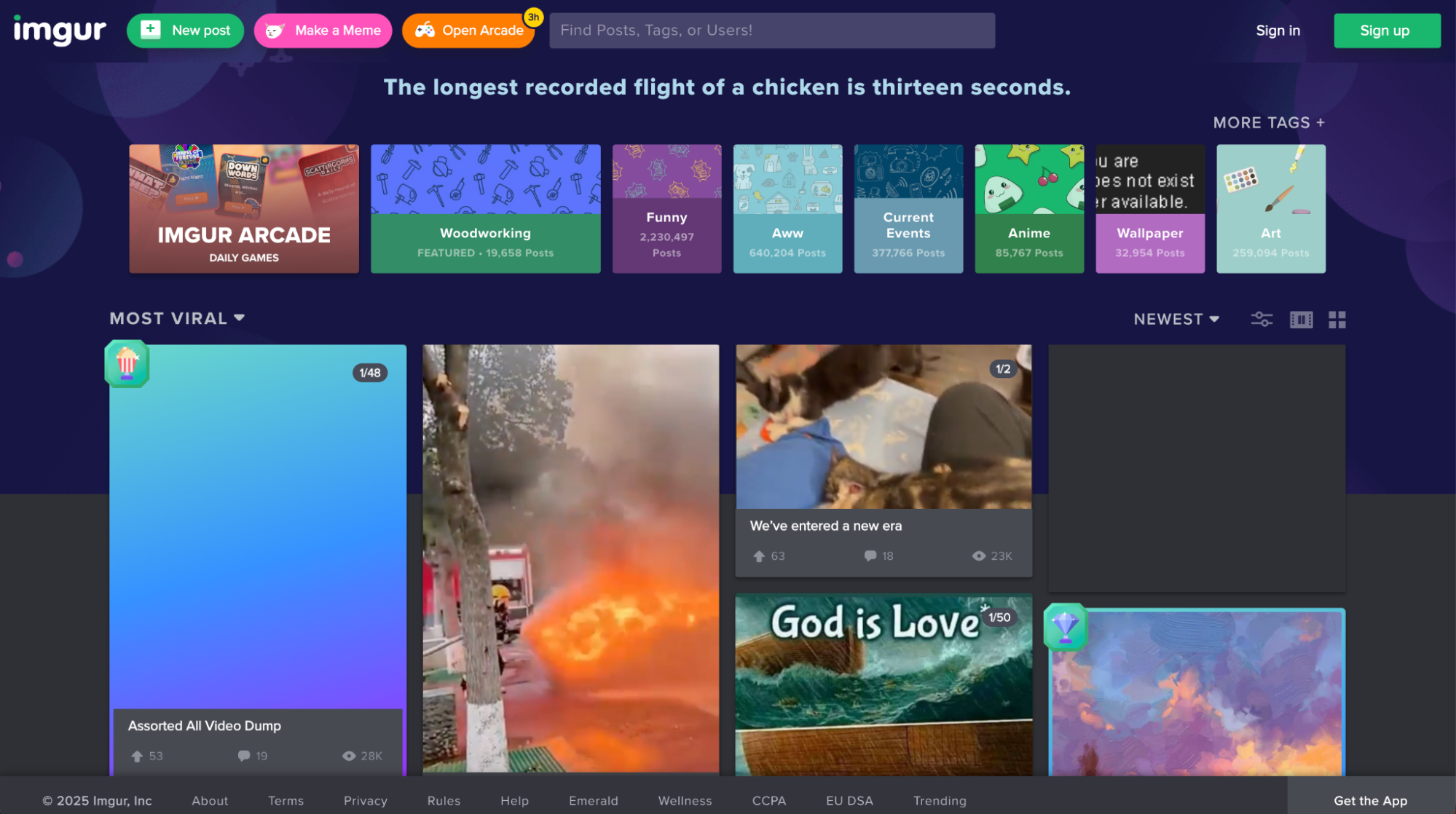
Imgur is excellent for rapid visual idea testing. Its simplified interface and active users create fast feedback loops that help marketers quickly evaluate whether creative concepts resonate.
Why Imgur works for marketers:
- Rapid response cycles: Upvotes and comments provide instant qualitative insight.
- Viral upside: Posts can reach millions without existing followers.
- UGC-friendly environment: Great for testing memes, humor, layouts, or visual storytelling.
- Low noise: Content performance is driven by strength, not influencer status.
Strategic uses:
- Testing visual concepts
- Exploring new meme formats
- Teaser campaigns
- Infographic or story layout refinement
Imgur is a low-risk, high-speed creative testing lab — an efficient, good alternative for early-stage idea shaping before running paid campaigns on other social media platforms.
Decentralized & Privacy-First Instagram Alternatives
Decentralized platforms are not only “privacy tools” — for marketers, they represent brand-safe environments with fewer restrictions, more predictable distribution, and communities that value authenticity.
As regulations tighten (GDPR, DMA, ATT) and data practices face scrutiny, these Instagram alternatives give marketers something rare: control, transparency, and audience trust without the volatility seen on larger social media platforms.
Each alternative platform below serves as a strategic resource for marketing teams navigating privacy-first environments and niche communities.
Pixelfed (ActivityPub)
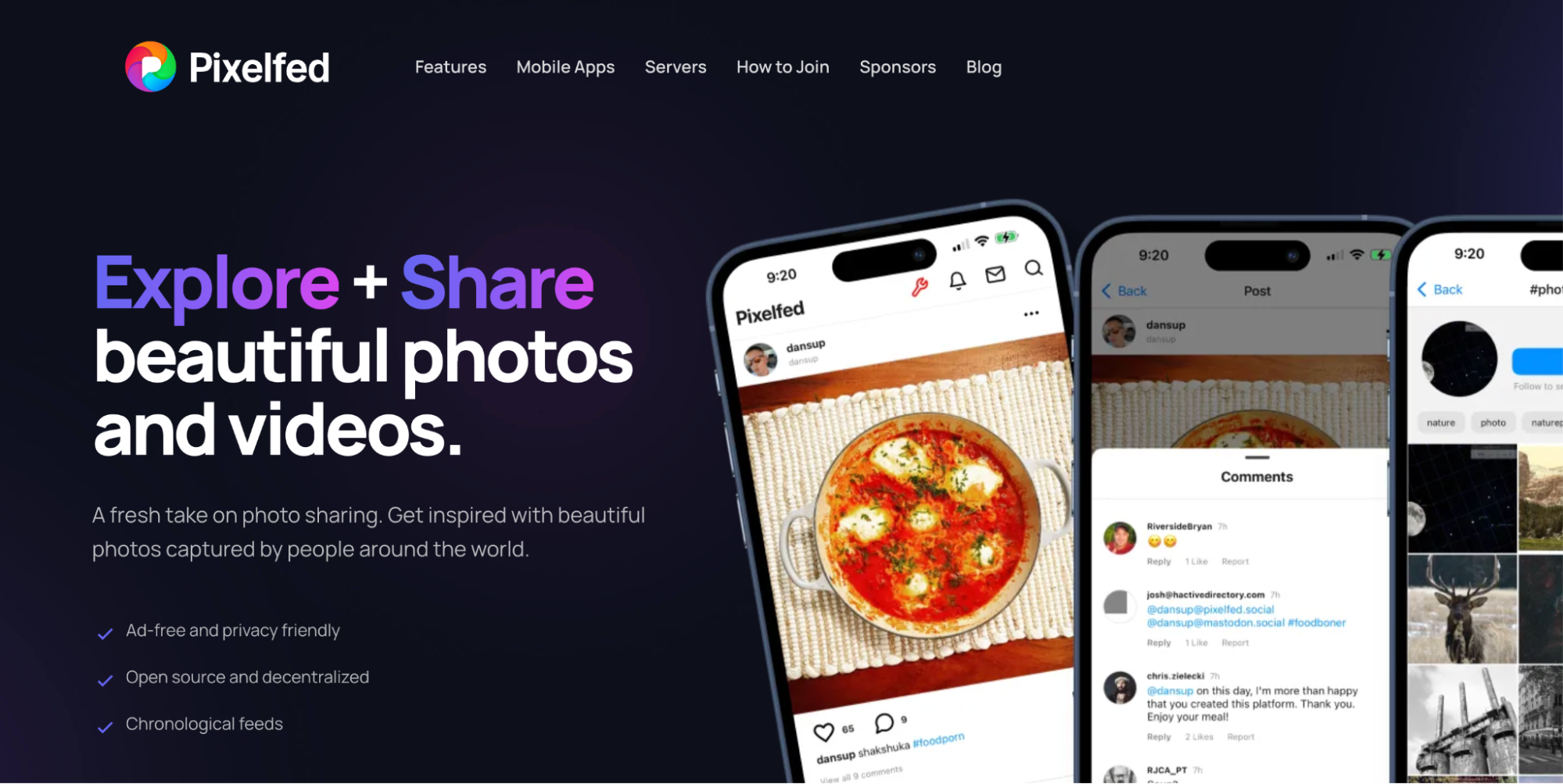
Pixelfed uses a chronological feed and open-source structure, making it one of the safest spaces for brands on any social network.
Why Pixelfed matters for marketers:
- Brand safety: No targeted ads or algorithmic amplification.
- Predictable reach: Chronological posts provide stability across multiple platforms.
- Data ownership: Content isn’t repurposed for ads or AI training.
- Regulatory alignment: Local servers can comply with regional laws.
- Community trust: Users value craftsmanship and high-quality images.
Strategic use cases:
- Premium brand galleries
- Controlled UGC environments
- Campaign testing in low-noise spaces
- Cause-based marketing
Pixelfed is an excellent alternative for brand-safe visual storytelling and community-driven engagement.
Flashes (AT Protocol)
Flashes is a photo and short-video app within the Bluesky/AT Protocol ecosystem, giving brands early access to an emerging decentralized social media platform.
Why Flashes matters for marketers:
- Early mover advantage: Very few brands are present.
- Emerging creator communities: Great for scouting before costs rise.
- Low competition: Content stands out more easily than on traditional Instagram alternatives.
- Safer cultural environment: Reduces misinformation risk.
- Future-proofing: Helps brands prepare for decentralized marketing.
Strategic use cases:
- Early audience building
- Innovation-led campaigns
- Decentralized creator partnerships
- Testing photo and video storytelling formats
Flashes is ideal for brands shaping next-gen content strategies.
Pinksky (AT Protocol)
Pinksky offers the most Instagram-like experience inside the decentralized world, making it easier for the app’s users to transition without friction.
Why Pinksky matters for marketers:
- Familiar UI: Reduces onboarding challenges.
- Story-style features: Supports narrative-driven campaigns.
- Chronological feed: More consistent organic performance.
- Reputation control: Safer than algorithm-heavy networks.
- Trust-first environment: Audiences perceive the platform as more transparent.
Strategic use cases:
- Campaign storytelling
- Community engagement
- Lifestyle brand presence
- Niche activation inside creative communities
Pinksky is a strong alternative platform for brands needing stable distribution without algorithmic unpredictability.
Vero
Vero is not decentralized but offers an ad-free experience, a chronological feed, and a curated visual layout — all appealing to premium brands.
Why Vero matters for marketers:
- Ad-free environment: Brand content isn’t diluted.
- Chronological feed: Predictable reach.
- High-quality images: Perfect for luxury and lifestyle storytelling.
- Reputation control: Lower risk of poor adjacency.
- Engaged micro-communities: Helps strengthen authentic storytelling.
Strategic use cases:
- Luxury lookbooks
- Architectural, automotive, design campaigns
- Premium influencer collaborations
- Visual narrative sequences
Vero is a good alternative for brands prioritizing visual excellence and tighter community control.
Pixelfed (EU Alternative section)
The open-source nature of Pixelfed and regional hosting options make it especially attractive in the European Union.
Local instances comply with GDPR-level standards while still linking to the global fediverse. This balance between local policy and worldwide reach is rare among social apps — making Pixelfed a strategic Instagram alternative for regulated industries or privacy-first marketing initiatives.
Alternatives for Social Sharing with Friends / Authenticity Apps
Authenticity-first platforms focus less on follower counts and more on trust, relatability, and community depth — elements increasingly essential in modern social media strategies. These social apps help marketers humanize brands, test storytelling, and communicate with audiences in low-pressure environments.
Because many users want real-life content instead of polished ads, these Instagram alternatives offer a good alternative for authenticity-driven campaigns that thrive inside niche communities.
Each platform below demonstrates how authenticity becomes a strategic marketing instrument.
BeReal
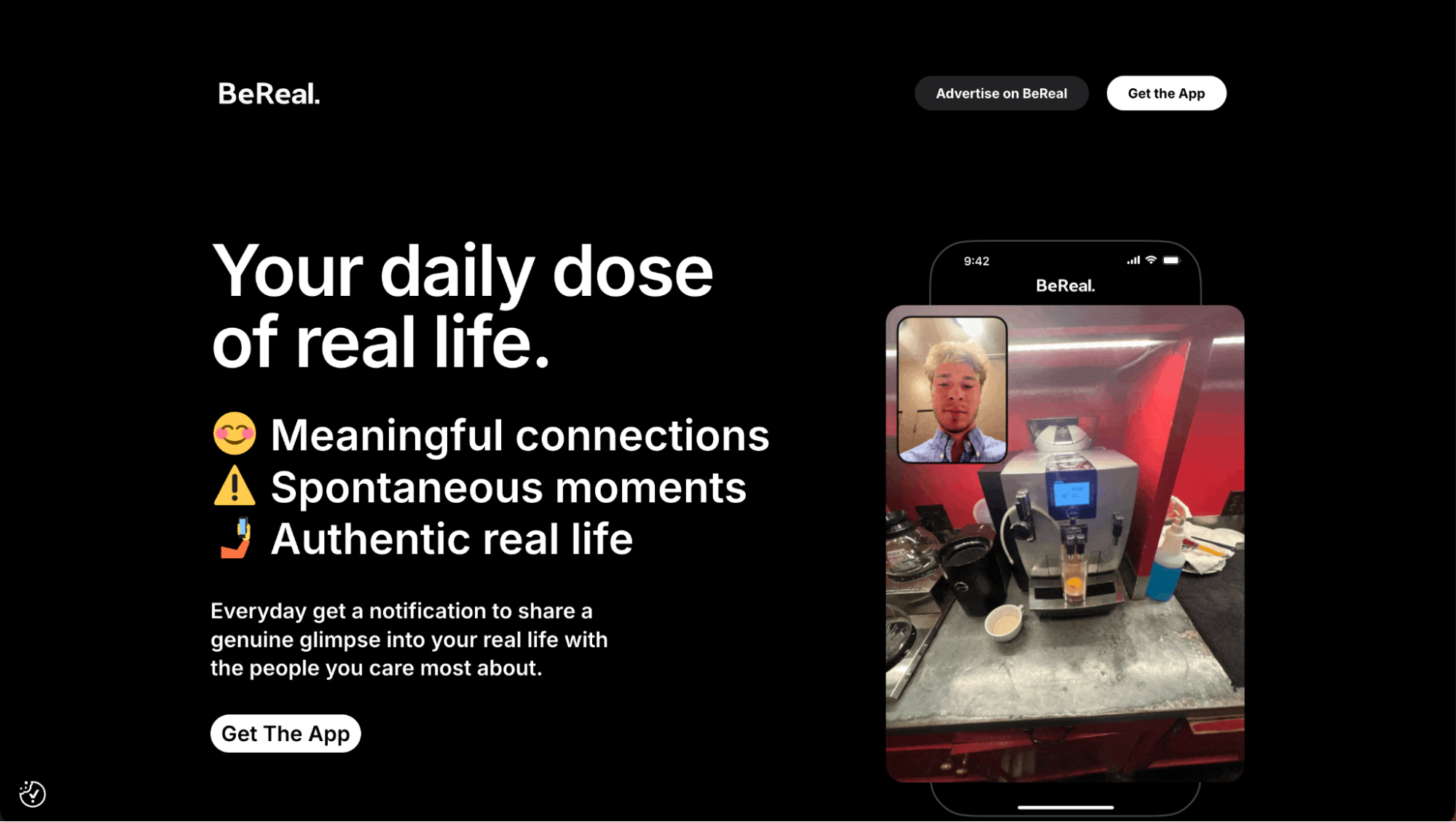
BeReal limits users to spontaneous prompts, making the content highly believable and resistant to over-editing.
Why BeReal matters for marketers:
- Authenticity: Posts feel real-life instead of curated, which aligns with Gen Z values.
- Brand humanization: Allows brands to share photos from behind-the-scenes moments.
- Cultural alignment: Younger active users prefer brands that feel relatable.
- Low competition: Few brands publish here, making this social media platform a clean testing ground.
Strategic uses:
- Behind-the-scenes campaign previews
- Employer branding content
- Day-in-the-life storytelling
- Early product teasers
BeReal helps build trust and relatability, especially in youth-focused categories.
Threads (Meta)
Threads is a lightweight conversation platform where people share ideas quickly — perfect for rapid engagement and community-driven content.
Why Threads matters for marketers:
- Low-friction content: Fast posting encourages frequent interaction.
- Audience portability: Instagram followers move easily to this alternative platform.
- High engagement for professional voices: Founders, designers, and strategists excel here.
- Narrative testing: Useful for exploring brand messaging before scaling across multiple platforms.
Strategic uses:
- Founder/brand voice development
- Real-time commentary or live event reactions
- AMAs, Q&A threads, polls
- Soft-launching campaign messaging
Threads supports conversational storytelling that feels more social and less formal.
Discord (community-first)
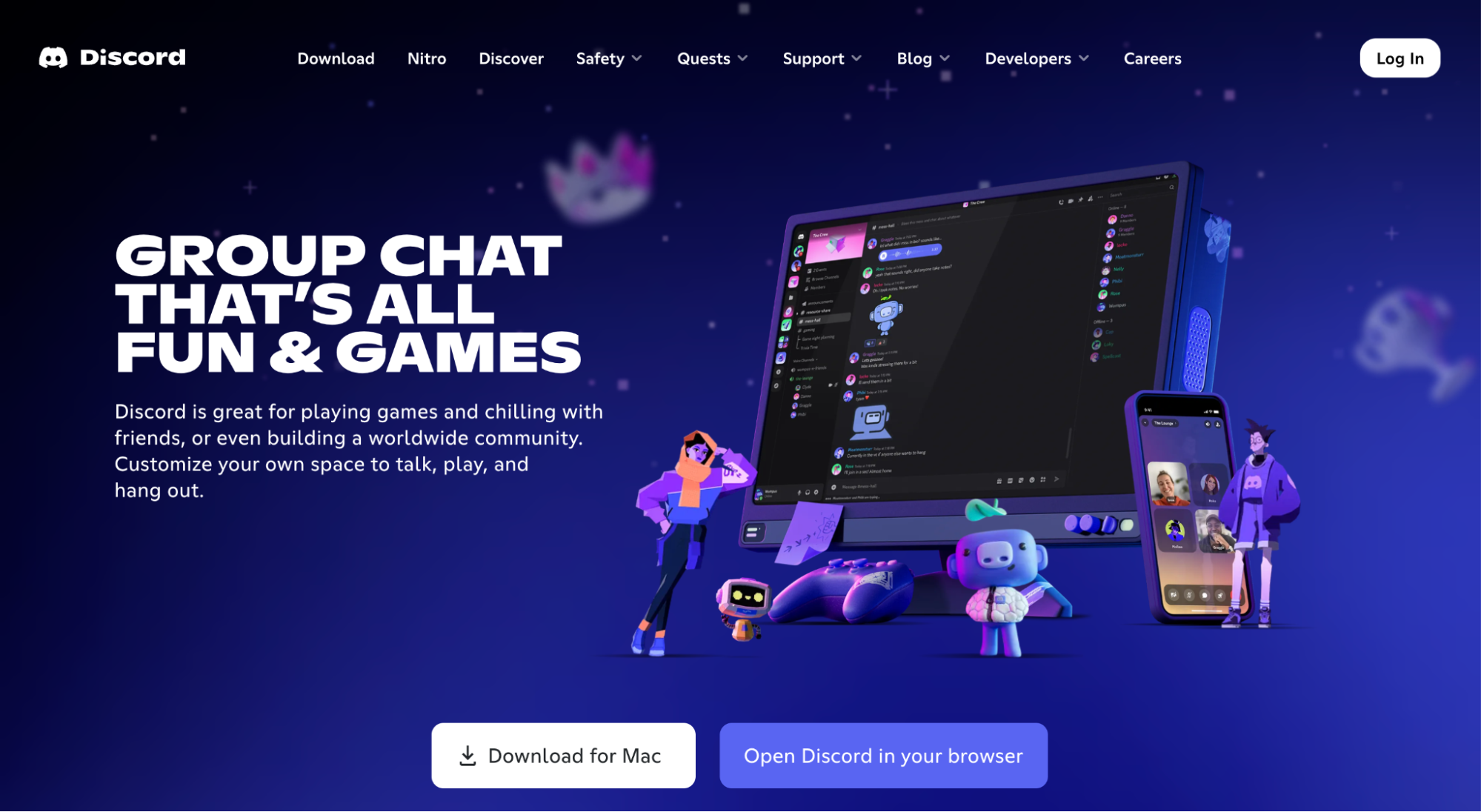
Discord remains one of the strongest community-building tools available, operating like a private social network optimized for loyalty and retention.
Why Discord matters for marketers:
- High-intent communities: Members opt in deliberately.
- Engagement loops: Channels, events, audio rooms, and resource drops create ongoing touchpoints.
- Membership-style marketing: Perfect for clubs, courses, or fandom-based brands.
- Segmentation: Separate channels for onboarding, support, VIP access, product updates, etc.
- Customer insights: Fast qualitative feedback for product and content teams.
Strategic uses:
- Superfan groups and ambassador programs
- Product testing communities
- Educational hubs for SaaS or creator tools
- Launch hubs for new products
- Retention loops that outperform typical social media platforms
Discord is a powerful alternative to Instagram for deep engagement and customer lifetime value.
The “Own Your Platform” Alternatives (Websites + Portfolio Hosts)
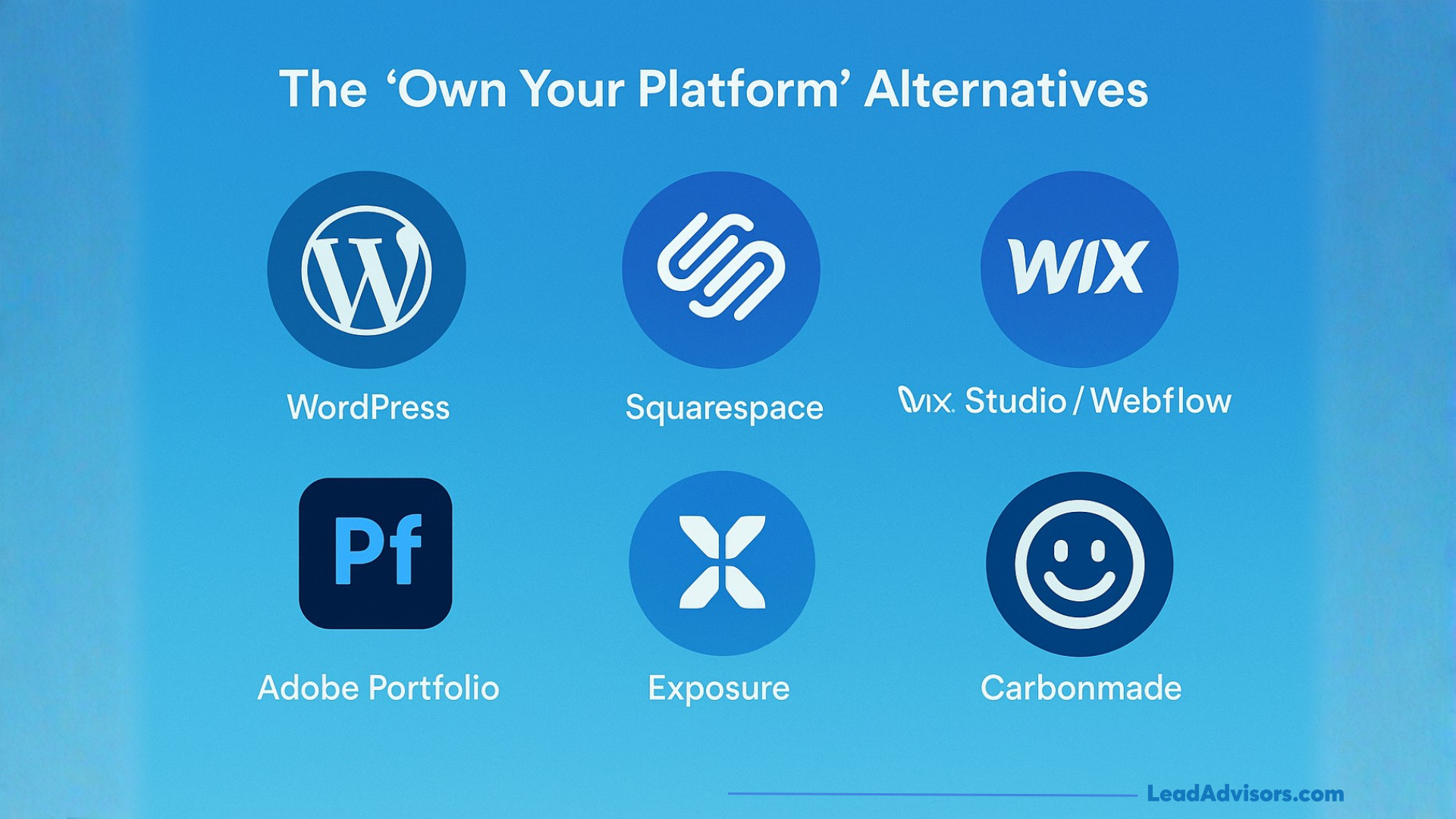
By 2026, the strongest Instagram substitute will not be a new social media platform — it will be your own website, your own list, and your own data ecosystem. As third-party cookies phase out and platforms limit data access, owned channels are the only places where marketers maintain full control over content, conversions, attribution, and customer relationships.
Every owned alternative platform below functions as a performance multiplier, extending the reach of social media strategies across multiple platforms and ensuring long-term stability regardless of algorithm changes or shifts in active users.
WordPress
Marketers still consider WordPress essential because it provides:
- SEO-driven long-term reach: Content can rank for years and continually drive traffic from search engines.
- Conversion funnels: Landing pages, lead magnets, and checkout flows are easy to build.
- First-party data capture: CRM syncing, analytics, and exclusive content access without platform restrictions.
- Automation: Integrates with HubSpot, Klaviyo, ActiveCampaign, and more.
- Full attribution: GA4, server-side tagging, and UTM tracking.
WordPress serves as the primary conversion hub that social platforms ultimately push users toward.
Squarespace / Wix Studio / Webflow
These builders give marketing teams full creative control without requiring engineering support.
Marketing advantages:
- Rapid landing-page creation for campaigns and product launches.
- Design consistency for brand updates.
- SEO-ready structure with schema and sitemaps.
- Easy CRO testing for layouts and CTAs.
- E-commerce funnels: Bookings, checkout flows, gated resources.
These tools help brands execute campaigns quickly while maintaining high-quality images and a consistent brand identity.
Adobe Portfolio
Adobe Portfolio acts as a creative showcase for marketing teams by:
- Centralizing campaign visuals in high-resolution galleries.
- Supporting case-study SEO for discovering content visibility.
- Enhancing credibility with polished presentations.
While it doesn’t directly drive traffic like other social apps, it strengthens brand authority.
Exposure
Exposure is ideal for narrative-rich marketing efforts.
Strategic value for marketers:
- Immersive campaign storytelling using long-form visuals.
- PR and editorial benefits: Journalists prefer visually documented narratives.
- Long-tail SEO opportunities for thematic stories.
Exposure works best for mission-driven brands where emotional impact matters.
Carbonmade
Carbonmade supports marketing departments needing:
- Client-facing showcases
- Brand refresh archives
- Visual micro-sites
- Quick portfolio builds
Its simplicity makes it a good alternative for fast-moving creative and marketing teams.
Photoshelter / Photodeck
These platforms support companies managing large volumes of images and videos.
Marketing advantages:
- Enterprise DAM: Organize assets for multi-channel campaigns.
- Licensing workflows: Manage usage rights across partners.
- Client proofing: Useful for agencies and production teams.
- Secure backup: Long-term storage for campaign assets.
They’re essential for teams with heavy content pipelines and frequent distribution across multiple platforms.
Niche, Emerging, and Up-and-Coming Instagram Alternatives
Niche services usually sacrifice a massive audience for a more focused one. A lot of creators employ them to lower the noise and develop smaller circles. For marketers, these Instagram alternatives offer four strategic advantages:
- Early Adopter Advantage: Brands showing up early on a new platform often dominate share-of-voice for years.
- Cultural Influence: Niche communities drive trends long before viral content appears on mainstream social media platforms.
- Micro-Influence: Small, specialized groups tend to convert at higher rates than broad-reach social apps.
- Low Competition: Many users overlook alternative platform ecosystems, giving brands standout visibility quickly.
These choices allow teams to test ideas, gather insights, and reach active users before the platform becomes saturated. They are valuable for creators and businesses looking to explore multiple platforms or share photos and high-quality images in tighter communities before trends go public.
- Cara is also a portfolio and socials hybrid for human-made art.
- Foto is the centre for photographers who want aspect-ratio respect and simple timelines.
- Neptune shows up in artist forums as a studio for the most daring visuals.
- Flashes, Pinksky, and Skygram are photo-first and story-style user experiences that are gradually becoming popular in decentralized systems.
- Cosmos is the support for long-term research and idea boards.
- A Substack for photographers merges newsletters with galleries, thus helping writers and shooters to share photos directly with readers.
These choices are a source of income for creators who love to look at different options before they become popular and provide marketers with a good alternative for gaining influence inside niche communities early.
What to Look For in an Instagram Alternative
It would be easier to choose between Instagram alternatives if you already knew what factors were most important to you, i.e., mental load, creative control, reach, or income.
Feed Transparency & Predictability
The natural flow of content to a brand’s audience on big social media platforms is getting lower and lower. Consequently, companies are compelled to come up with new methods of content sharing across multiple platforms.
During the year 2025, the average Instagram organic reach has been reduced to about 3.5% of the followers, which is quite a steep fall from previous years, thus revealing why paid strategies are taking the lead in social media marketing. Marketers need to trust those platforms that still have chronological feeds or use transparent ranking logic to predict reach more reliably and allow users to discover content without heavy algorithm-driven feeds.
Audience Fit & Community Type
Social media is actively used by more than 5.2 billion people globally, and an average user spends 2 hours and 28 minutes per day on different platforms. As a result, audience behavior is very different for each service.
For instance, Pinterest and YouTube attract users seeking ideas through strong visual search behavior, while Discord and niche communities offer deeper, community-driven engagement. Knowing where your target audience is most active is a great way to make distribution more efficient and ensure your content resonates within the right social network or creative community.
Analytics Maturity
Different platforms exhibit vastly different levels of data maturity. For example, YouTube, Pinterest, and LinkedIn offer detailed analytics, conversion metrics, and content insights.
On the other hand, new or decentralized platforms (such as Pixelfed, Flashes, and some emerging social media apps) typically do not have dashboards for deep measurement or ROI tracking.
As 65% of marketing leaders desire a direct link between social campaigns and business goals, having access to robust analytics becomes absolutely necessary when evaluating any alternative platform or Instagram alternatives.
Paid Ads Availability & Targeting
Marketers are investing more in paid social: worldwide social media advertising expenditure is expected to exceed $250+ billion in 2025, with video-first ads attracting more engagement.
Platforms offering advanced paid formats and audience targeting (such as YouTube, TikTok, Pinterest, and LinkedIn) are becoming the most effective ways to distribute content. Ad-free platforms like Pixelfed or Glass may serve communities but lack the scale required for performance campaigns — though they may still be good alternatives to Instagram for brand safety or premium storytelling.
SEO Longevity & Content Shelf Life
Platforms that integrate social distribution with search engine behaviors tend to deliver longer-lasting results. For example, content on YouTube may remain visible for years, while Pinterest acts like a visual search engine that can drive traffic even long after a pin was published.
This long SEO life is a major benefit compared to feed-based apps, whose content typically lives only a few hours. For marketers relying on external websites, evergreen visibility is essential for driving traffic and conversions.
Brand Safety & Compliance
Brand safety matters more now than ever. In a landscape shaped by GDPR, DMA, and ATT privacy changes, marketers must ensure platforms support compliance and protect sensitive customer data. Decentralized Instagram alternatives often provide strong privacy controls and fewer restrictions, though they may not scale like mainstream networks.
CRM & Scheduling Integrations
Execution efficiency comes from integration. Marketers should prioritize platforms that work with CRM, scheduling, and analytics tools like Metricool, Buffer, Hootsuite, and HubSpot. Poor integration limits a team’s ability to standardize workflows, schedule posts, and report cross-channel performance.
Portability & Audience Ownership
Even the best social media platform should not be the only home for your audience. Owning your channels — website, newsletter, CRM — ensures full control over communication and prevents dependency on any single app. Planning with audience portability in mind protects long-term reach, especially as many users shift attention across different platforms and more Instagram users begin exploring alternatives.
How to Choose the Best Instagram Alternative for You (Decision Framework)
Marketers shouldn’t choose platforms based on aesthetics or creator habits — they should choose based on objectives, ROI potential, attribution clarity, and audience behavior. Below is a goal-based framework to select the right mix of Instagram alternatives for 2026.
These decisions help brands navigate multiple platforms more effectively and avoid dependence on a single social media platform.
Step 1: Identify Your Primary Marketing Goal
Most brands fall into one of these six strategic priorities:
1. Traffic & Conversions
You want measurable clicks, leads, and purchases.
→ Choose Pinterest + YouTube
Pinterest is a good alternative for sustained referral traffic, while YouTube provides evergreen visibility and supports both long-form and Shorts content. Both platforms allow users to discover content long after publishing.
2. Fast Awareness & Top-of-Funnel Reach
You need scale and speed.
→ Choose TikTok + YouTube Shorts.
These social apps excel at viral content and reaching active users quickly across multiple platforms.
3. Community Building & Engagement
You want long-term retention and deeper relationships.
→ Choose Discord + Threads.
These communities behave like alternative platform ecosystems where people engage more authentically than on traditional social networks.
4. Premium Brand Identity
Your brand requires a refined, high-quality visual environment.
→ Choose Glass + Vero
Both emphasize high-quality images and help brands share photos in a clean, ad-free environment.
5. B2B Marketing & Authority
You want to reach decision-makers or industry peers.
→ Choose LinkedIn + Medium
These Instagram alternatives deliver strong credibility and long-form SEO benefits.
6. Brand Safety & Privacy Positioning
You want stability, controlled environments, and low reputational risk.
→ Choose Pixelfed + Pinksky
Great for brands prioritizing transparency and fewer restrictions.
Step 2: Map Your Goal to the Platform Mix
Great marketing ecosystems use two to four platforms, each covering a specific function:
- TOF → TikTok, YouTube Shorts
- MOF → YouTube, Pinterest, Threads
- BOF → Website, Medium, Substack
- Retention → Discord, Email, CRM
- Brand Identity → Glass, Vero, Behance
This ensures no single social media platform controls your reach. It also creates a durable system where many users can engage with your content across multiple platforms and niche communities.
Step 3: Evaluate Analytics, Attribution, and Tracking Requirements
Before selecting platforms, assess:
- Does the social media platform offer conversion-level analytics?
- Does it integrate with GA4, HubSpot, or CRM tools?
- Does it support UTMs, deep links, and pixel tracking?
- Can you evaluate ROI reliably?
YouTube, Pinterest, and LinkedIn provide robust analytics, while newer social apps may have limited reporting. This distinction matters for marketers running long-term social media strategies.
Step 4: Select One Primary Channel + One Support Channel
A scalable stack usually looks like:
- Primary Growth Engine (Reach): TikTok or YouTube
- Secondary Traffic Engine: Pinterest or LinkedIn
- Community Engine: Discord or Threads
Pairing platforms creates a balanced system that allows users to engage in multiple ways, supporting stronger retention.
Step 5: Add an Owned Platform to Anchor the Ecosystem
Regardless of the mix, every marketing strategy needs:
- A website for SEO + conversions
- A newsletter or CRM for first-party data
- Landing pages for attribution
- Automation tools for lifecycle marketing
Owned platforms are the true long-term good alternative to Instagram since they offer full control over audience data.
Step 6: Test for 30–60 Days → Measure → Reallocate
Evaluate each platform using:
- Cost per engaged user
- Traffic contribution
- Conversion rate
- Community retention
- Content longevity
Then allocate budget and content to the Instagram alternatives delivering the strongest ROI. This approach ensures your brand can adapt whether you are targeting niche communities, high-intent searchers, or active users across multiple platforms.
Choosing the Right Platform Based on Goals
| Goal | Platform Recommendation |
| Traffic & conversions | Pinterest + YouTube |
| Fast awareness | TikTok + YouTube Shorts |
| Community building | Discord + Threads |
| Premium brand identity | Glass + Vero |
| B2B marketing | LinkedIn + Medium |
| Brand safety/privacy | Pixelfed + Pinksky |
| Creative R&D | VSCO + Foto + Cosmos |
| Cultural intelligence | Tumblr + Imgur |
This framework positions Instagram alternatives as purpose-driven marketing tools, enabling brands to choose the right social apps based on outcomes — not trends.
How to Transition Away from Instagram Without Losing Your Audience
Leaving Instagram isn’t just a content shift — it’s a channel migration strategy. For marketers, the priority is maintaining reach, protecting attribution, strengthening owned data, and reallocating content efficiently across multiple platforms. As many brands adopt Instagram alternatives and diversify social media strategies, long-term stability becomes more important than relying on a single social media platform.
Below is a step-by-step migration plan designed specifically for marketing teams.
Step 1: Announce the Move Across Channels With Clear CTAs
Tell your audience where you’re migrating and why — but frame it around better value for them (exclusive content, improved insights, or a more ad-free experience).
Marketer actions:
- Update bio links with alternative platform profiles (TikTok, Pinterest, YouTube, Threads, etc.).
- Pin a farewell post summarizing the shift.
- Use CTAs directing users to your newsletter or website.
This positions the transition as a strategic evolution rather than abandonment.
Step 2: Set Up Multi-Platform Scheduling & Repurposing Workflows
To avoid doubling work, marketers should centralize publishing across multiple platforms.
Tools:
Metricool, Buffer, and Later help teams schedule posts, repurpose assets, and ensure content consistency across social apps — especially helpful when testing Instagram alternatives with fewer restrictions on format.
Repurposing examples:
YouTube long-form → Shorts → TikTok clips → Pinterest Idea Pins → LinkedIn carousels → Substack excerpts.
Step 3: Implement UTM Tracking Before Posting Anywhere Else
To measure platform performance accurately, every link should include UTMs. This helps compare traffic across new instagram alternatives and determine which social media platform drives the best engagement.
Track UTMs for:
- TikTok
- Pinterest
- YouTube
- LinkedIn
- Substack
- Threads
- Discord invites
UTMs help reveal which platforms have the most active users, strongest retention, or best conversions.
Step 4: Strengthen Your Owned Channels (Email, Website, CRM)
Instagram owns your followers; your website and CRM own your audience.
Marketer actions:
- Add email capture popups to Squarespace, Webflow, or WordPress.
- Launch Substack or ConvertKit for exclusive content.
- Offer incentives like templates or insider previews.
- Integrate email with CRM platforms such as HubSpot or Salesforce.
Owned channels allow users to engage outside any single social media platform and support evergreen visibility for campaigns or high-quality images.
Step 5: Mirror Content for 30–60 Days Across Instagram & New Platforms
Gradual migration prevents sudden drop-offs in reach while training your audience to follow you on other social apps.
Actions:
- Publish Reels on TikTok + YouTube Shorts
- Repurpose carousels into Pinterest Pins + LinkedIn posts
- Share photos or behind-the-scenes updates on Threads
- Build Discord for deeper community-driven engagement
This phase is about audience habit-building.
Step 6: Launch Retargeting Campaigns on High-ROI Platforms
Once traffic diversifies, activate retargeting to re-engage warm audiences.
Best retargeting platforms:
- Pinterest for shopping intent
- YouTube for mid-funnel education
- TikTok for interest clustering
This approach is a good alternative to relying on Instagram’s shrinking organic reach.
Step 7: Reduce Instagram Output Gradually — Prioritize High-ROI Channels
After your new channels gain traction:
- Reduce Instagram posting cadence.
- Shift creativity, budget, and testing to high-performance Instagram alternatives.
- Maintain IG as a branding touchpoint, not a growth engine.
This ensures smooth migration without disrupting user expectations.
Step 8: Evaluate After 60–90 Days With Clear KPIs
Measure platforms by:
- Cost per engaged user
- Traffic contribution
- Conversion rate
- Community retention in niche communities
- SEO visibility from search-driven platforms
- Email list growth
Then invest more heavily in Instagram alternatives delivering the strongest ROI across multiple platforms.