Search is no longer about getting to the top of Google. It’s about becoming the answer that AI engines trust and cite. With Google’s AI Overviews and AI Mode continuing to expand in search results and platforms like ChatGPT hitting 800 million weekly users, the era of the “10 blue links” has fundamentally shifted.
This year, search engine optimization demands a broader vision—one that spans traditional search engines, AI platforms, social discovery, and zero-click results. Here’s what you need to know about SEO trends 2026 and the strategic shifts that will define search visibility moving forward.
TL;DR: Essential SEO Trends for 2026
- Generative Engine Optimization (GEO) is Non-Negotiable: Optimize for AI citations, not just rankings, with top methods achieving 30-40% visibility improvement
- AI Search Dominates Discovery: AI Overviews now appear in 57.9% of question-based queries and reach over 2 billion users monthly
- Experience Beats AI-Generated Content: Google rewards lived experience and verified authorship over generic AI content
- Search Happens Everywhere: Users start on TikTok, validate on Reddit, and convert via ChatGPT—optimize for all channels
- Zero-Click is the New Normal: Focus on brand visibility and “Share of Conversation” as conversion-intensive metrics replace raw traffic
- Agentic SEO Emerges: AI agents are browsing, buying, and booking autonomously—optimize your backend infrastructure

The Death of Traditional Search (And What’s Replacing It)
For over two decades, SEO strategy meant one thing: rank on Google’s first page. If you hit position three, you get clicks. Position ten? You still existed. But 2026 has shattered this paradigm. Gartner predicts a 25% drop in traditional search volume by 2026 as users increasingly turn to AI-powered answer engines for direct responses rather than navigating through links.
The shift isn’t just theoretical. Studies show sites generate 34x more search traffic from Google and traditional search engines than they get from chatbots, but this gap is narrowing rapidly. AI search traffic is growing unevenly across niches, with some industries seeing dramatic shifts while others remain largely unchanged.
What does this mean practically? Your content needs dual optimization—maintaining strong traditional SEO while simultaneously building AI-friendly structures that earn citations in generative responses. The brands that master both channels will capture outsized visibility in 2026 and beyond.
Generative Engine Optimization (GEO) & The Citation Economy
Understanding the GEO Paradigm Shift
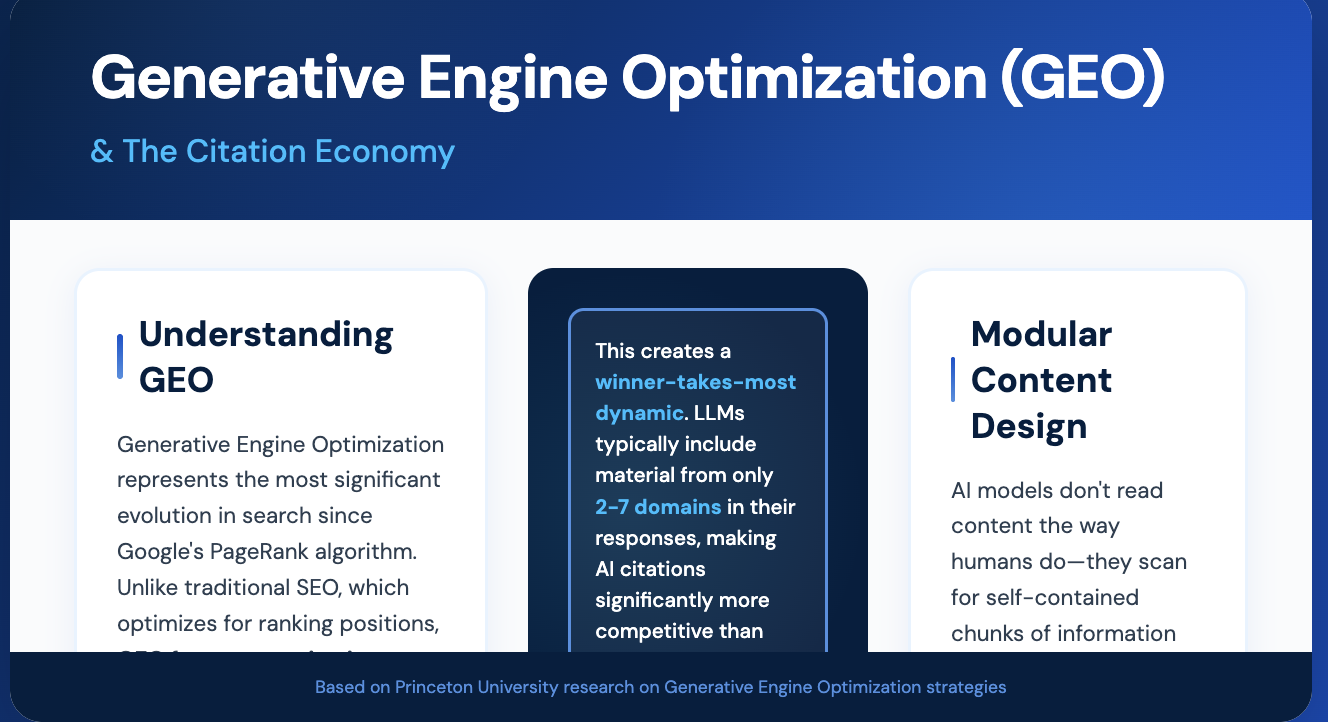
Generative Engine Optimization represents the most significant evolution in search since Google’s PageRank algorithm. Unlike traditional SEO, which optimizes for ranking positions, GEO focuses on citation frequency—getting your content referenced in AI-generated answers from ChatGPT, Perplexity, Google AI Overviews, and similar platforms.
The mechanics are fundamentally different. When someone asks an AI search engine a question, these systems use Retrieval-Augmented Generation (RAG) to:
- Query their knowledge base for relevant sources
- Rank candidate documents by relevance and authority
- Synthesize information from multiple sources into a coherent answer
- Cite the most influential sources
This creates a winner-takes-most dynamic. LLMs typically include material from only 2-7 domains in their responses, making AI citations significantly more competitive than traditional rankings, where ten or more results get visibility.
Proven GEO Tactics That Work
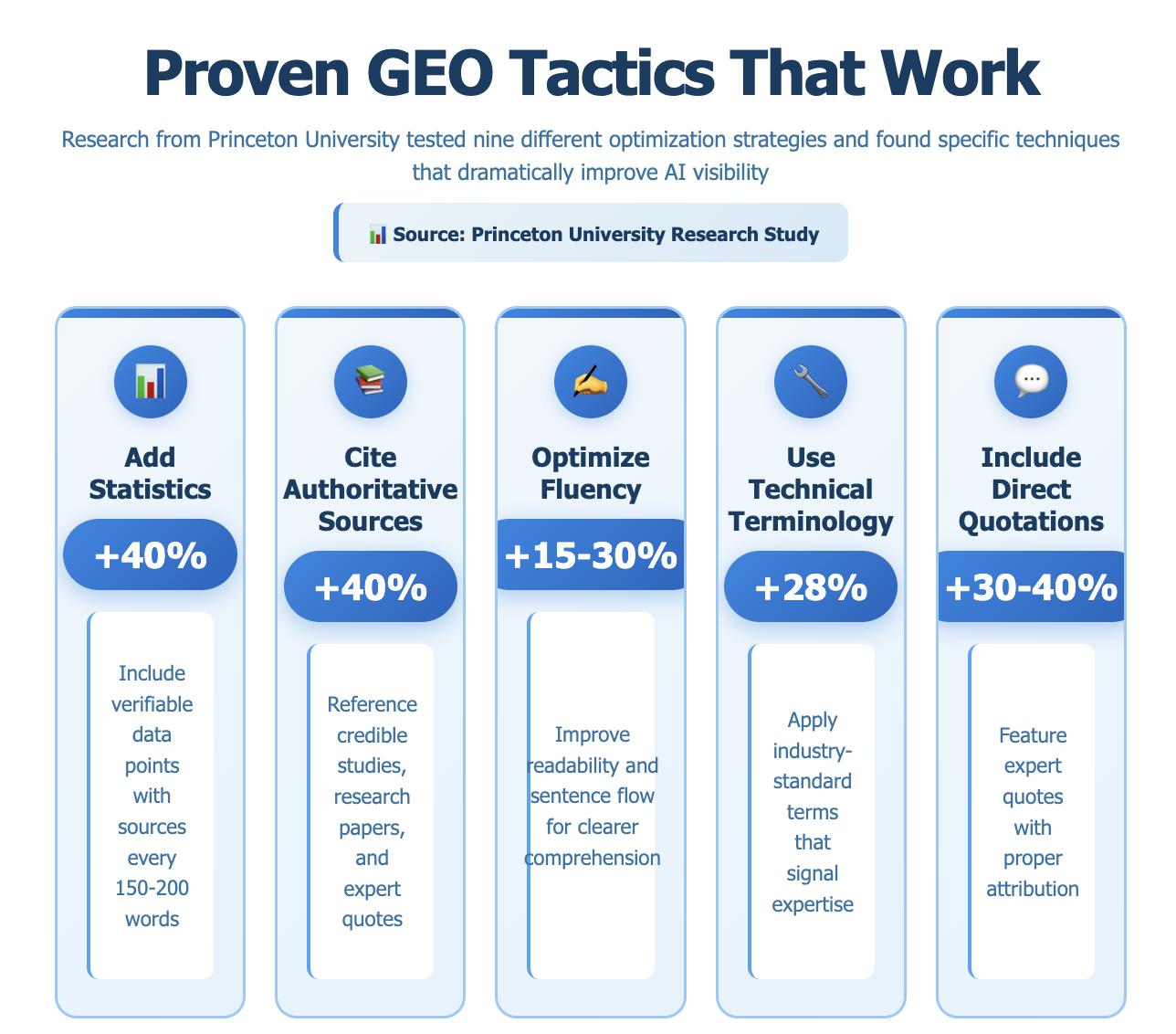
Research from Princeton University tested nine different optimization strategies and found specific techniques that dramatically improve AI visibility:
| GEO Method | Visibility Improvement | Implementation |
| Add Statistics | +40% | Include verifiable data points with sources every 150-200 words |
| Cite Authoritative Sources | +40% | Reference credible studies, research papers, and expert quotes |
| Optimize Fluency | +15-30% | Improve readability and sentence flow for clearer comprehension |
| Use Technical Terminology | +28% | Apply industry-standard terms that signal expertise |
| Include Direct Quotations | +30-40% | Feature expert quotes with proper attribution |
The most effective approach? Combining multiple methods. The best combination of Fluency Optimization and Statistics Addition outperforms any single GEO strategy by more than 5.5%.
Modular Content Design for AI Extraction
AI models don’t read content the way humans do—they scan for self-contained chunks of information that can be extracted and synthesized. Structure your content with:
- Question-based H2/H3 headers that directly answer specific queries (e.g., “How Does RAG Improve AI Search Results?” instead of “RAG Overview”)
- Standalone paragraphs where each idea includes context, data, and source attribution without requiring previous paragraphs
- Clear definitions positioned early, as AI engines frequently cite definition statements
- Fact density with verifiable claims supported by statistics and expert validation
For blog post optimization, start with a direct answer in the first 40-60 words, then provide supporting evidence and context. This structure serves both human readers and AI systems scanning for authoritative excerpts.
The Rise of AI Search Engines and Changing User Behavior
The Numbers Behind the Shift
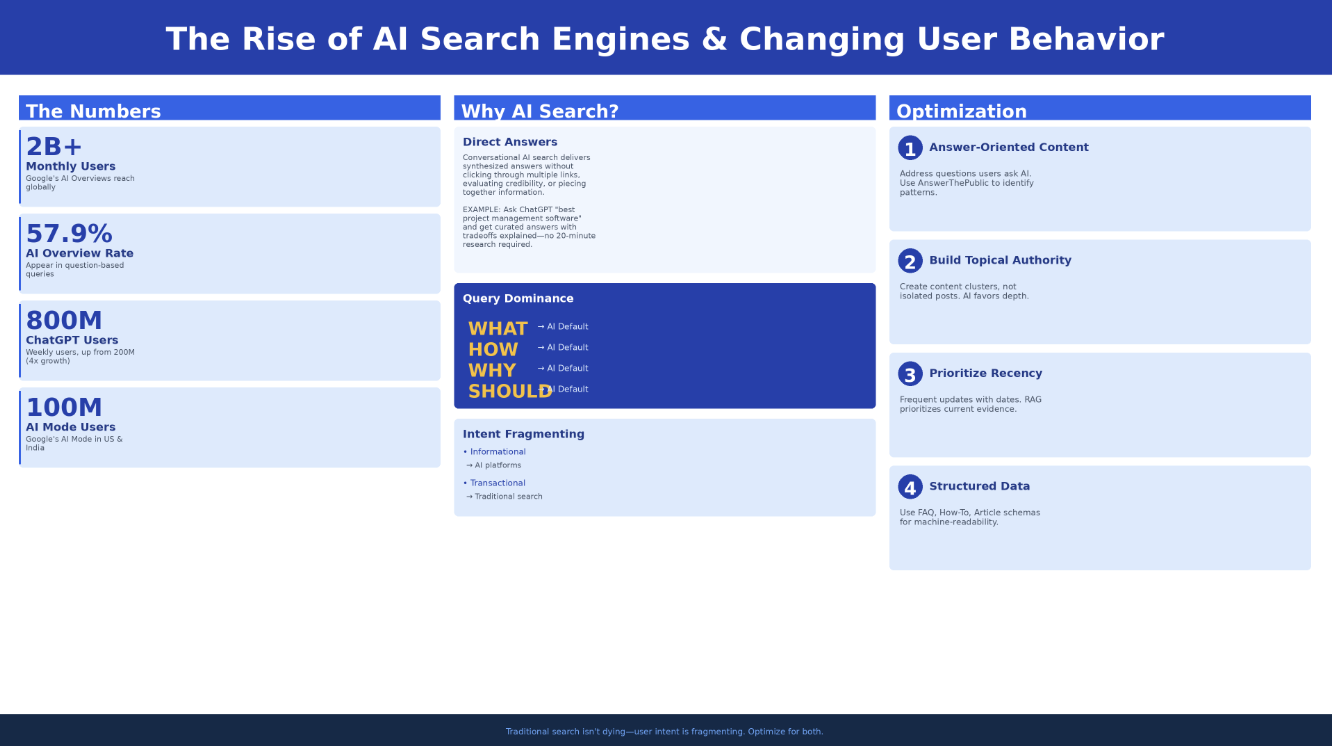
Google’s AI Overviews reach over 2 billion users per month, making them one of the most widely used generative search interfaces globally. Beyond Google, standalone AI search engines are experiencing explosive growth. ChatGPT expanded from 200 million weekly users in August 2024 to 800 million by late 2025.
This adoption is fundamentally changing search behavior. AI Overviews now appear in 57.9% of question-based queries, positioning AI-generated summaries as the default response format for “what,” “how,” “why,” and “should” queries. Meanwhile, Google’s AI Mode has already reached 100 million users in the US and India alone.
Why Users Prefer AI Search
The appeal is straightforward: conversational AI search engines deliver synthesized answers without requiring users to click through multiple links, evaluate credibility, and piece together information themselves. Instead of searching “best project management software,” getting 10 blue links, and spending 20 minutes comparing options, users ask ChatGPT directly and receive a curated answer with tradeoffs explained.
This doesn’t mean traditional search is dying—it means user intent is fragmenting. Informational queries increasingly flow to AI platforms, while transactional searches still heavily favor traditional search engines where users can compare prices, read reviews, and make purchases.
Optimizing for AI Search in Practice
To win visibility in AI search:
Create answer-oriented content that directly addresses the questions users ask AI assistants, not just keyword-focused content that ranks in traditional search results. Use tools like AnswerThePublic or analyze “People Also Ask” boxes to identify question patterns.
Build topical authority by creating comprehensive content clusters around core topics rather than isolated blog posts. AI systems favor sources that demonstrate depth across related subjects.
Prioritize recency by publishing frequent updates with precise dates and refreshed statistics. AI engines using RAG architectures prioritize current evidence when assembling responses.
Implement structured data using the FAQ, How-To, and Article schemas to make your content machine-readable and extraction-friendly.
EEAT 2.0: The Human Antidote to AI Slop
The Problem: Generic AI-Generated Content Floods Search
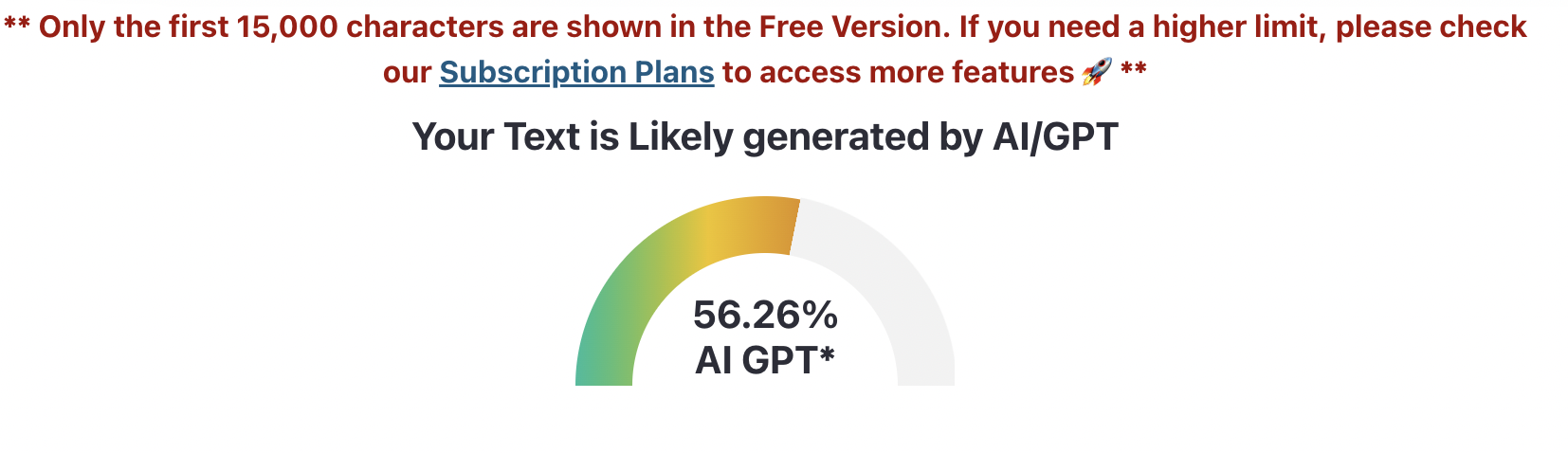
One of the most significant SEO trends in 2026 is Google’s aggressive response to low-quality AI-generated content—what the industry calls “AI slop.” With generative AI tools making it trivial to create thousands of mediocre blog posts, search results risk becoming saturated with generic, surface-level content that lacks genuine expertise or original insight.
Google’s response? Doubling down on Experience, Expertise, Authoritativeness, and Trustworthiness (E-E-A-T) signals, with particular emphasis on the first E—lived experience.
Lived Experience as a Ranking Factor
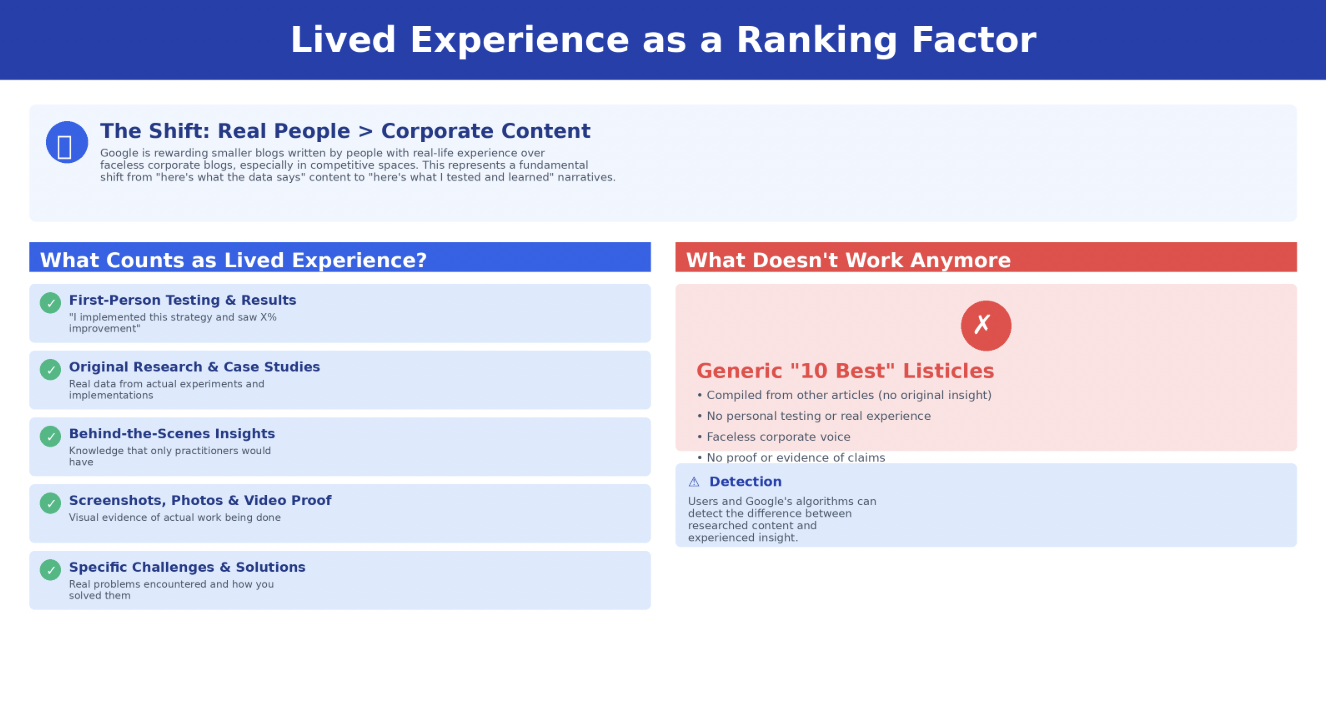
Google is rewarding smaller blogs written by people with real-life experience over faceless corporate blogs, especially in competitive spaces. This represents a fundamental shift from “here’s what the data says” content to “here’s what I tested and learned” narratives.
What counts as lived experience?
- First-person testing and results (“I implemented this strategy and saw X% improvement”)
- Original research and case studies with real data
- Behind-the-scenes insights that only practitioners would know
- Screenshots, photos, and video proof of actual work
- Specific challenges encountered and how they were solved
Generic “10 Best” listicles compiled from other articles no longer cut it. Users—and Google’s algorithms—can detect the difference between researched content and experienced insight.
Building Verified Authorship
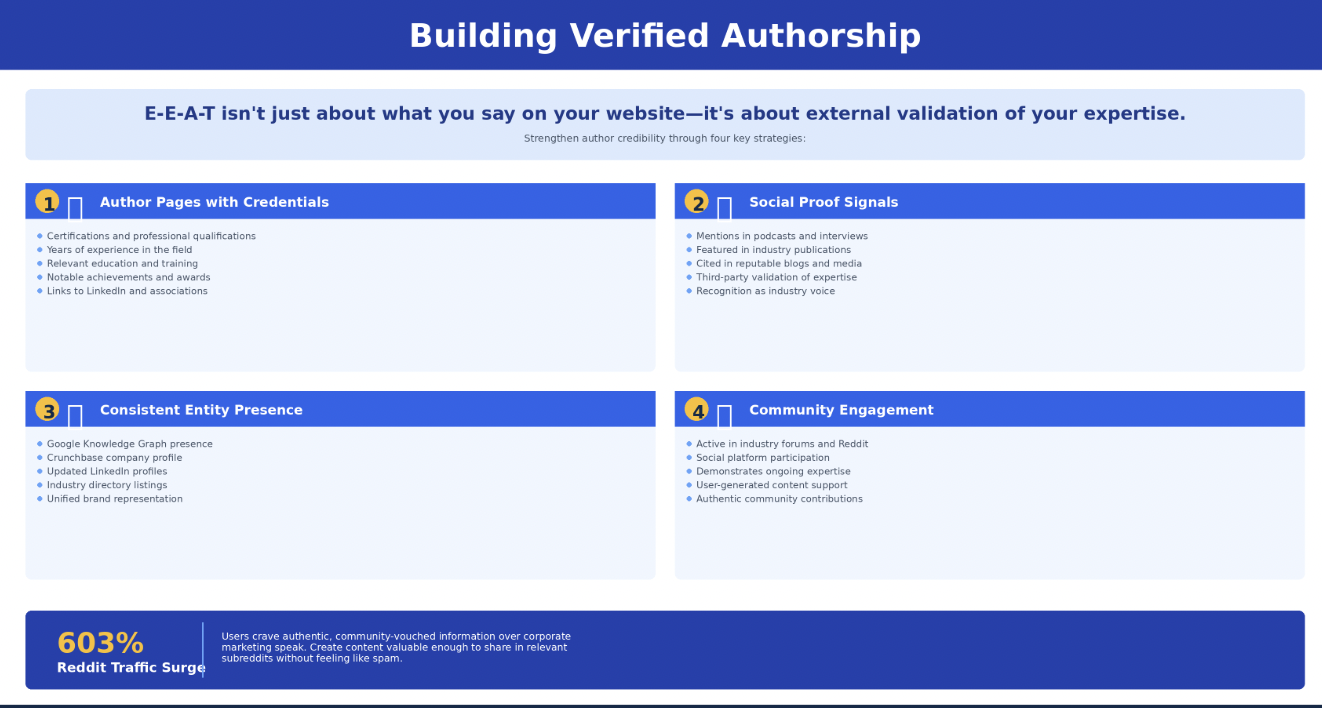
E-E-A-T isn’t just about what you say on your website—it’s about external validation of your expertise. Strengthen author credibility through:
Author pages with credentials: Create detailed author bios that include certifications, years of experience, relevant education, and notable achievements. Link to LinkedIn profiles and professional associations.
Social proof signals: Get mentioned in podcasts, industry publications, and reputable blogs. These brand mentions serve as third-party validation that you’re a recognized voice in your field.
Consistent entity presence: Ensure your name, brand, and key team members have consistent representation across Google Knowledge Graph, Crunchbase, LinkedIn, and industry directories.
Community engagement: Active participation in industry forums, Reddit discussions, and social platforms demonstrates ongoing expertise and builds user generated content that reinforces your authority.
The 603% traffic surge Reddit experienced reflects users’ hunger for authentic, community-vouched information over corporate marketing speak. Create content that would be valuable enough for someone to share in a relevant subreddit without it feeling like spam.
Agentic SEO – Optimizing for AI Personal Assistants
What Are AI Agents and Why Do They Matter?
AI agents represent the next evolution beyond conversational search. Unlike traditional AI chatbots that simply answer questions, agents autonomously browse websites, compare options, make purchases, and book services on behalf of users.
ChatGPT’s Agent Mode (launched July 2025) can research products, compare prices, and execute purchases. Its Instant Checkout feature (September 2025) allows direct buying from Etsy sellers without leaving the platform, with Shopify integration coming soon. Google’s AI Mode is rolling out similar capabilities for restaurant bookings, event tickets, and more.
The implication? Your website isn’t just competing for human attention anymore—it needs to be navigable and transactional for autonomous AI systems.
The Agentic Commerce Protocol (ACP)
Traditional SEO optimizes front-end content for human visitors. Agentic SEO requires equally strong back-end optimization for machine visitors. This includes:
Machine-readable assets like llms.txt files that provide AI crawlers with structured information about your products, services, pricing, and availability. Think of it as a robots.txt file that actively helps rather than restricts.
Structured API access that allows AI agents to query product catalogs, check inventory, and retrieve specifications without parsing HTML. If an AI agent can’t easily determine whether you have a product in stock or what it costs, it will recommend a competitor.
Clean JSON feeds for product data, customer reviews, and transactional information that agents can consume programmatically.
A clear, logical navigation architecture that AI can follow. Agents need to understand your site structure, categorization, and the path from browsing to purchase.
Building a Digital Knowledge Graph
Create a comprehensive knowledge representation of your brand that AI systems can reference:
- Entity relationships (your company, products, team members, locations)
- Service offerings with clear categorization and descriptions
- Pricing structures and availability
- Customer support channels and policies
- Integration capabilities and technical specifications
This knowledge graph ensures AI agents correctly identify your services, understand your positioning, and can accurately represent your offering when making recommendations.

Search Everywhere Optimization (SEvO): The Multi-Platform Reality
The Fragmented Discovery Journey
The linear search journey is dead. Users in 2026 discover content across a complex, multichannel path:
- Initial research on TikTok or Instagram (visual discovery)
- Validation on Reddit or community forums (social proof)
- Detailed investigation via Google or ChatGPT (comprehensive information)
- Final decision influenced by YouTube reviews (trusted voices)
- Conversion through whichever channel feels most seamless
Each platform serves a different discovery function, and users seamlessly move between them based on their needs at each stage. Your content must be optimized for this fragmented reality.
Social SEO: The Underestimated Channel
35% of users now search on Instagram and TikTok rather than starting with traditional search engines. This requires rethinking content creation:
On-screen text optimization: Since social platforms don’t have traditional metadata, your captions and on-screen text need keyword optimization. Use terms people actually search for, not just creative catchphrases.
Hashtag strategy: Unlike older SEO tactics, hashtags remain crucial for social discovery. Research trending and niche hashtags in your industry and use 3-5 strategic tags per post.
Video transcripts: Platforms increasingly use transcripts for search indexing. Speak your keywords naturally within video content.
Engagement signals: Comments, shares, and saves serve as social platforms’ version of backlinks. Create content that sparks conversation and provides saveable value.
Branded Search Tactics: The Rise at Seven Model
One of the most underrated SEO trends in 2026 is the power of branded search volume. When users search “your brand + keyword” (e.g., “Nike running shoes” vs. “running shoes”), it signals to search engines that your brand is associated with that category—which can lift your non-branded rankings across the broader topic.
How to build branded search demand:
- Choose 3-5 “brand + keyword” combinations to own
- Create demand through PR, podcast appearances, and community content
- Build landing pages optimized for these branded queries
- Track branded query growth in Search Console
- Monitor how branded demand correlates with non-branded ranking improvements
This isn’t about vanity metrics—it’s a legitimate ranking signal. As users increasingly search for brands they trust rather than generic keywords, branded search volume becomes a self-reinforcing competitive advantage.
YouTube as an SEO Multiplier
Video content isn’t just another channel—it’s becoming a foundational element of successful SEO strategy. Embedding YouTube videos into existing blog posts can improve rankings, with one marketer reporting rising from position 2-3 to #1 after adding video.
The mechanics make sense: video increases dwell time (a ranking signal), provides multimedia content that serves different learning styles, and creates additional touchpoints where users encounter your brand. When someone sees your YouTube video, trusts your expertise there, and then encounters your blog post in Google search, they’re more likely to click and engage.
Technical SEO in the Post-Cookie Era
Core Web Vitals 2.0: Interaction to Next Paint (INP)
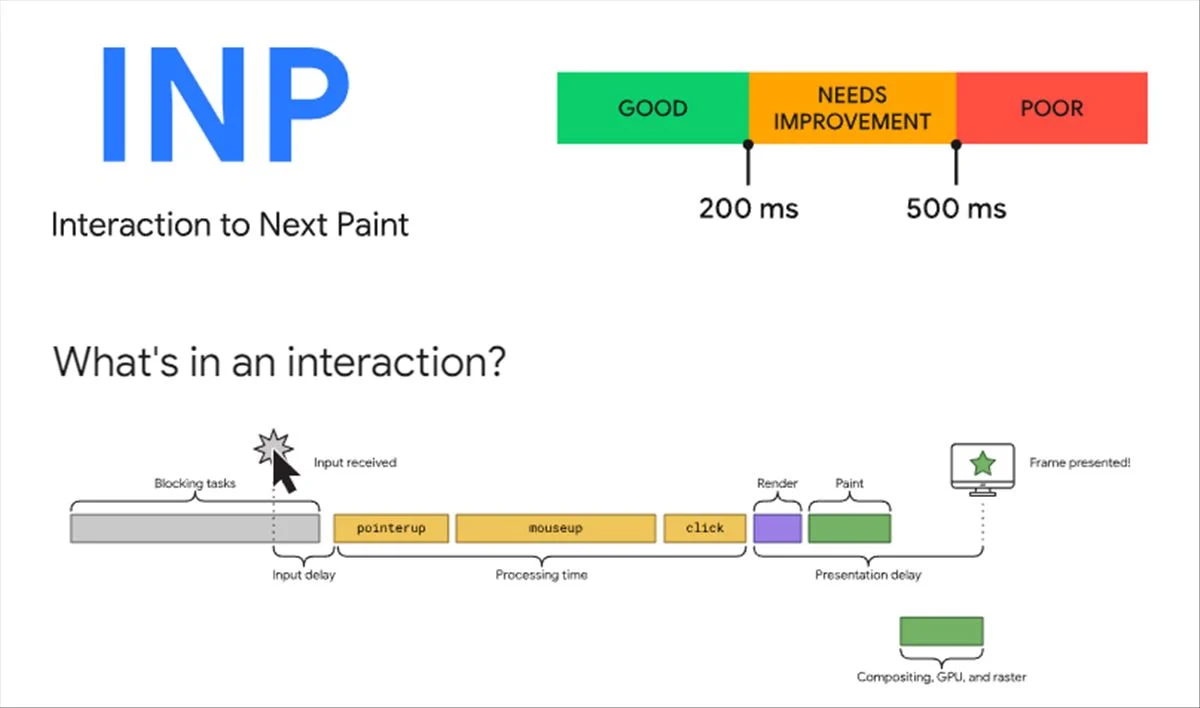
Google’s ranking factors continue evolving with user experience at the center. The latest addition to Core Web Vitals is Interaction to Next Paint (INP), which measures responsiveness—specifically, how quickly a page responds to user interactions like clicks, taps, and keyboard input.
Target benchmark: Sub-200ms responsiveness for all user interactions
Common optimization tactics:
- Reduce JavaScript execution time
- Implement code splitting to load only necessary scripts
- Use service workers for background processing
- Optimize third-party script loading
- Implement proper lazy loading for images and videos
INP matters because it directly correlates with user frustration. A page might load quickly but feel sluggish if buttons don’t respond immediately—driving users back to search results and signaling poor experience to search engines.
Multimodal Optimization: Visual Search Revolution
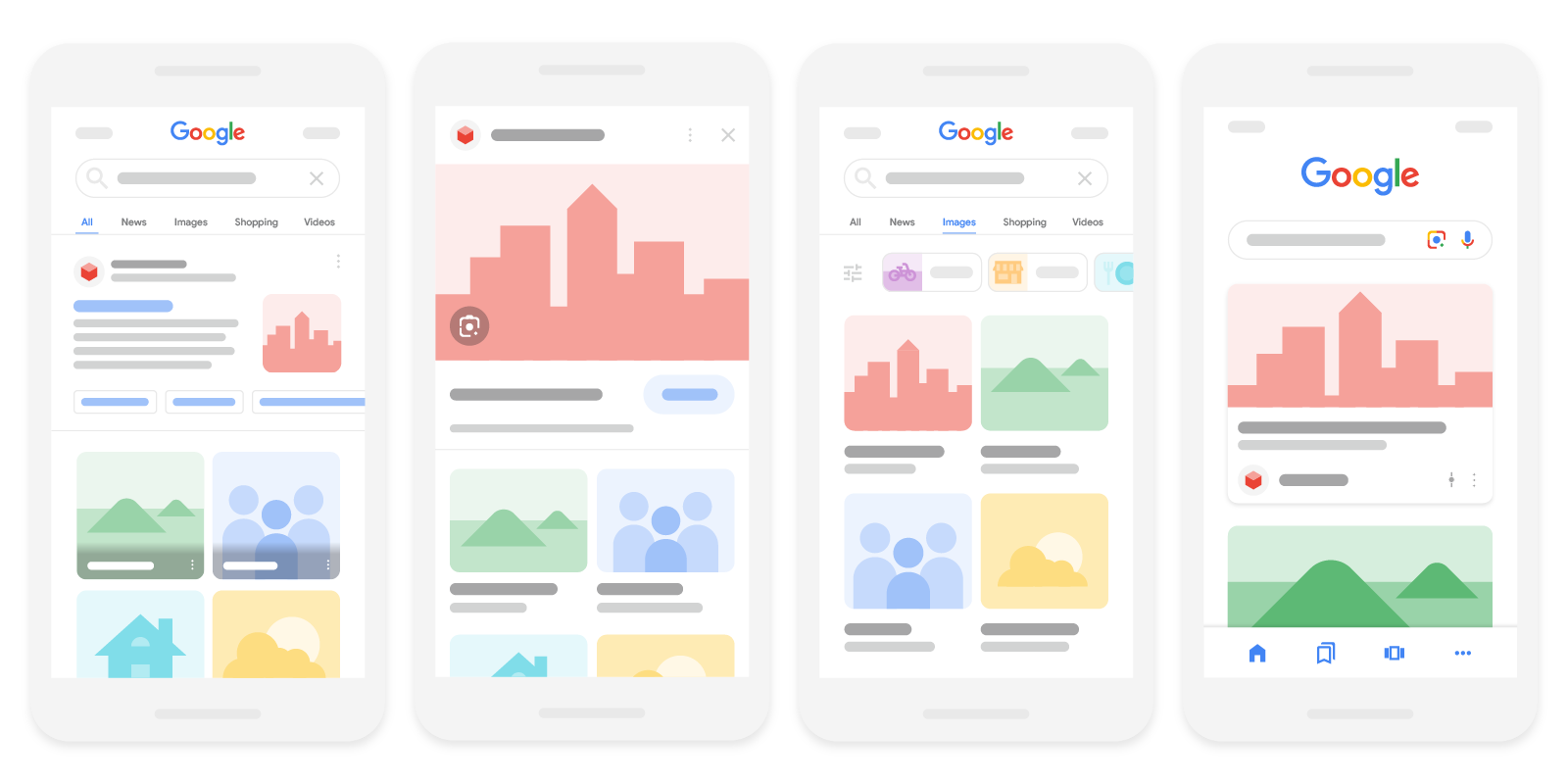
Visual search has increased 121% year-over-year, driven primarily by Google Lens adoption. Optimizing for visual search requires different tactics than text-based SEO:
Image optimization essentials:
- High-contrast, multi-angle product photography
- Clear, descriptive filenames (not “IMG_1234.jpg”)
- Comprehensive alt text that describes image content naturally
- Structured data (Product schema, ImageObject schema)
- Contextual surrounding text that clarifies what the image shows
Visual search particularly matters for e-commerce, local businesses, and any industry where users might photograph something they want to identify or purchase.
The Semantic Schema Revolution
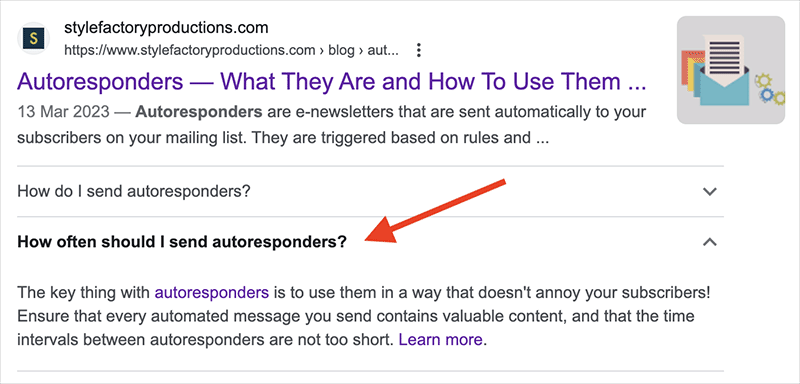
Structured data has moved from “nice to have” to essential for AI optimization. Schema markup helps both traditional search engines and AI models understand your content’s meaning and relationships.
Priority schema types for 2026:
- FAQ Schema: Powers featured snippets and helps AI engines extract question-answer pairs
- How-To Schema: Ideal for instructional content, frequently cited in AI responses
- LocalBusiness Schema: Critical for local SEO and AI-driven local recommendations
- Product Schema: Essential for e-commerce visibility in AI shopping recommendations
- Article Schema: Helps AI systems understand authorship, publication date, and content structure
Schema doesn’t just help you rank—it helps AI systems extract and cite your content accurately, which drives the citation economy discussed earlier.
Privacy-First SEO: Building First-Party Data Moats
With third-party cookies disappearing, SEO strategy must adapt to a privacy-first world. The opportunity? Use organic search traffic to build first-party data assets:
Tactical implementations:
- Interactive calculators that require email opt-in
- Downloadable resources (templates, checklists, reports)
- Newsletter subscriptions with exclusive insights
- Account creation for personalized experiences
- Community forums that build owned audiences
These tactics serve dual purposes: they provide genuine value that improves user experience (supporting SEO rankings), while simultaneously building direct relationships with your audience that don’t depend on platform algorithms or third-party tracking.
Navigating the Zero-Click Reality
Understanding the Zero-Click Paradigm
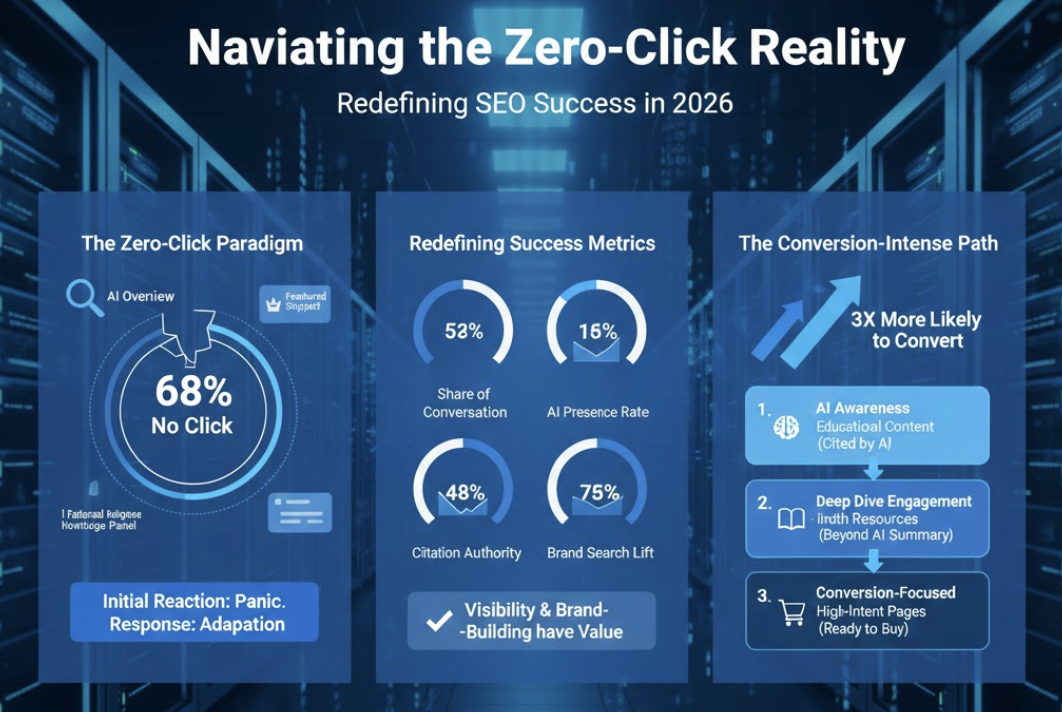
Here’s the uncomfortable truth: 68% of searches no longer result in a click. AI Overviews, featured snippets, knowledge panels, and direct answers mean users often get what they need without visiting your website.
Initial reaction? Panic. Rational response? Adaptation.
Redefining Success Metrics
Zero-click searches aren’t failures—they’re opportunities to reframe how we measure SEO success:
Share of Conversation: What percentage of AI-generated responses in your industry mention your brand? This measures mind share and brand association.
AI Presence Rate: How often does your brand appear in AI responses for target queries compared to competitors?
Citation Authority: How consistently are you cited as the primary source rather than a supporting mention?
Brand search lift: Are users who see your brand in AI answers later searching for you directly?
These metrics acknowledge that visibility and brand-building have value even without immediate clicks.
The Conversion-Intense Path

Here’s the silver lining: users who do click from AI summaries are 3x more likely to convert than average organic traffic. Why? They’ve already consumed surface-level information via AI and are clicking specifically because they want deeper engagement, to make a purchase, or to contact you.
This changes the content strategy. Instead of trying to capture every informational query with comprehensive content, create:
- Educational content that gets cited in AI answers (building awareness)
- Deep-dive resources for users ready to go beyond AI summaries
- Conversion-focused pages optimized for high-intent visitors who’ve already done preliminary research
Think of AI summaries as top-of-funnel awareness and zero-click results as brand building—then optimize your clickable content for mid-to-bottom funnel conversion.
Content Creation Workflows for 2026
The Hybrid Human-AI Model
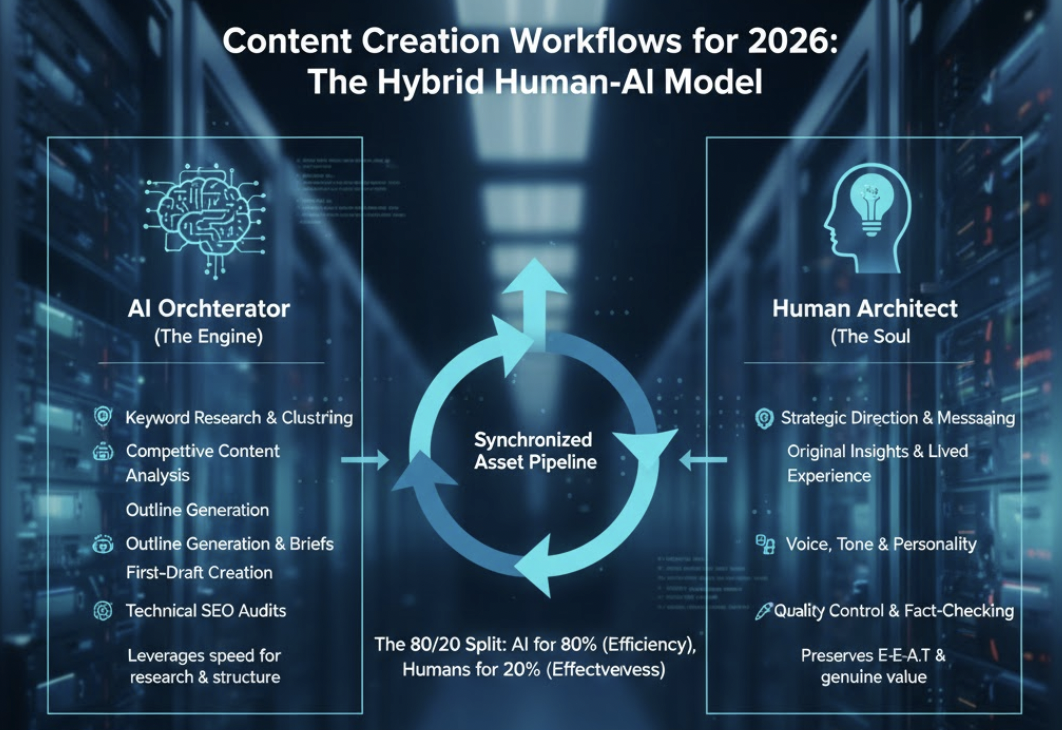
The most successful content creators in 2026 use AI tools for efficiency while maintaining human expertise for quality and differentiation:
AI handles:
- Keyword research and clustering
- Competitive content analysis
- Outline generation and content briefs
- First-draft creation for structured sections
- Technical SEO audits and recommendations
Humans handle:
- Strategic direction and messaging
- Original insights and lived experience
- Voice, tone, and brand personality
- Final 20% that differentiates content
- Quality control and fact-checking
This hybrid approach leverages AI’s speed for research and structure while preserving the human elements that create authentic E-E-A-T and genuine value. The goal isn’t to use AI to create more content faster—it’s to use AI to create better content more efficiently.
Strategic Content Pruning
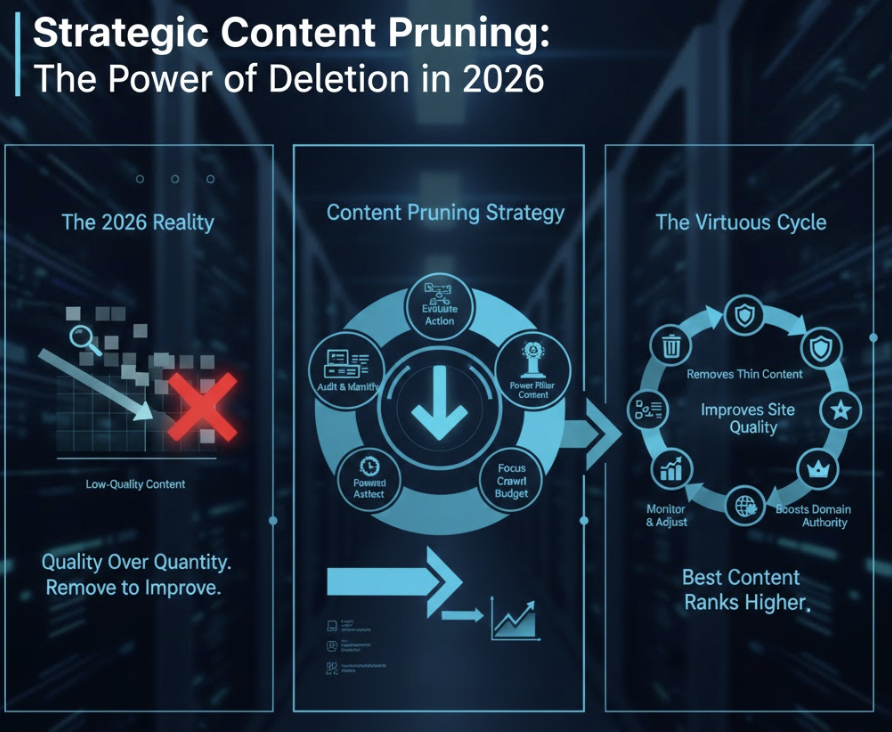
One of the counterintuitive SEO trends 2026 is the increasing value of deletion. With search engines (both traditional and AI) prioritizing quality over quantity, many sites benefit from removing low-performing content rather than adding more.
Content pruning strategy:
- Audit existing content by traffic, conversions, and engagement
- Identify “thin” content that provides minimal value or has been outcompeted
- Evaluate whether to improve, consolidate, redirect, or delete each piece
- Focus crawl budget on high-authority “power pillar” content
- Monitor traffic impact and adjust approach
This creates a virtuous cycle: removing thin content improves your site’s overall quality signals, which helps your best content rank even better, which generates better user metrics, which further improves your domain authority.
Interactive SEO Assets
The future of high-performing content isn’t static blog posts—it’s interactive, personalized experiences:
- Calculators: ROI calculators, cost estimators, comparison tools
- Planning tools: Content calendars, meal planners, workout generators
- Custom GPTs: Branded AI assistants that provide specialized help
- Configurators: Product finders, recommendation engines
- Assessments: Skill evaluations, readiness scorecards
These interactive assets accomplish multiple goals: they create genuine utility (improving user experience), generate first-party data (building owned audiences), create natural link magnets (supporting traditional SEO), and provide unique value AI can’t replicate (establishing differentiation).
Vertical-Specific SEO Forecasts
E-Commerce: Agentic Shopping Takes Center Stage

E-commerce SEO in 2026 revolves around AI agents making purchase decisions. Beyond traditional product page optimization, focus on:
- Merchant Center-AI integration: Ensure your product feeds are AI-accessible
- Comparison-friendly data: Provide clear spec sheets AI can parse and compare
- Review synthesis: Rich review content that AI can extract insights from
- Availability transparency: Real-time inventory data for agent queries
- Transaction readiness: Seamless checkout processes AI agents can navigate
The brands winning agentic commerce are those making it effortless for AI to understand, compare, and recommend their products.
Local SEO: The Shrinking Radius
AI-driven local recommendations are becoming hyper-targeted. Instead of showing all restaurants within 5 miles, AI assistants provide personalized recommendations based on immediate context, preferences, and specific needs.
Local SEO optimization:
- Comprehensive Google Business Profile with all attributes filled
- Real-time hours, menus, and availability information
- Photo content showing actual location, products, and team
- Active review generation and response
- Local content demonstrating community involvement
- Structured data for address, phone, hours, and service areas
The opportunity? Smaller, highly targeted local businesses can compete effectively with chains by providing detailed, accurate information that AI assistants need to make specific recommendations.
B2B SaaS: Product-Led SEO and Bottom-Funnel Focus
B2B SaaS companies are shifting from top-of-funnel educational content to mid-and-bottom-funnel content that drives qualified pipeline:
Strategic focus areas:
- Comparison pages (Your Product vs. Competitor)
- Use case demonstrations with specific outcomes
- Integration documentation that ranks for technical queries
- ROI calculators and assessment tools
- Customer story content featuring measurable results
- Technical specification pages AI can parse
The change reflects longer buying cycles and increased self-service research. Decision-makers are doing extensive research through AI search and peer communities before ever talking to sales, so content must address evaluation-stage questions comprehensively.
The Rise of the “Source of Truth”
From Traffic Managers to Trust Managers
The fundamental shift in SEO strategy for 2026 and beyond is this: stop optimizing for traffic volume and start optimizing for trust and authority. Your goal isn’t to rank for the most keywords—it’s to become the definitive source in your domain that AI systems consistently cite and users instinctively trust.
What defines a “Source of Truth”?
- Comprehensive coverage: Deep content across all aspects of your topic area
- Original research: Data and insights available nowhere else
- Cited expertise: Regular references from industry publications and AI systems
- Updated consistently: Fresh information reflecting current state
- Verified credentials: Clear authorship with demonstrable expertise
- Community validation: User-generated content and discussion reinforcing authority
Becoming the source of truth requires long-term investment in quality, expertise, and community-building rather than quick wins through keyword stuffing or link schemes.
Future-Proofing for 2027 and Beyond
Search will continue evolving rapidly, but certain principles remain constant:
Create genuine value: No algorithmic change can penalize content that genuinely helps users accomplish their goals.
Build for humans first: AI optimization is important, but human visitors ultimately drive business results. Don’t sacrifice user experience for AI visibility.
Diversify discovery channels: Never rely solely on one platform or algorithm. Build presence across traditional search, AI platforms, social channels, and owned communities.
Invest in expertise: Real knowledge and lived experience can’t be faked or commoditized. Develop your team’s expertise and showcase it authentically.
Measure what matters: Traffic is vanity, conversions are sanity, and brand equity is reality. Track metrics that correlate with actual business outcomes.
Your 30-Day SEO Evolution Checklist
Ready to implement these trends? Here’s your action plan:
Week 1: Audit & Baseline
- [ ] Analyze current AI citation rate using tools like Ahrefs Brand Radar or manual searches
- [ ] Review top-performing content for E-E-A-T signals
- [ ] Assess Core Web Vitals and identify technical SEO issues
- [ ] Inventory existing structured data and schema markup
- [ ] Document current organic traffic sources and zero-click rates
Week 2: Quick Wins
- [ ] Add FAQ schema to top 10 pages
- [ ] Update author bios with credentials and links
- [ ] Implement question-based H2/H3 headers on key content
- [ ] Add statistics and citations to pillar content
- [ ] Create or update llms.txt file for AI crawlers
- [ ] Optimize top 5 product pages for visual search
Week 3: Strategic Content
- [ ] Identify 3-5 “brand + keyword” combinations to own
- [ ] Create one comprehensive, GEO-optimized guide
- [ ] Develop one interactive tool (calculator, planner, etc.)
- [ ] Record and embed video content on top-performing posts
- [ ] Launch branded search campaign (PR, social, community)
Week 4: Long-Term Infrastructure
- [ ] Build comprehensive Digital Knowledge Graph
- [ ] Implement tracking for AI citations and brand mentions
- [ ] Create content pruning workflow and delete/consolidate thin content
- [ ] Establish regular content update schedule
- [ ] Set up first-party data collection mechanisms
- [ ] Document AI-human workflow for future content.